Pachón Navarro
The Pachón Navarro is a kind, devoted, calm dog that is an indigenous breed of Northern Spain (Navarre). Some Pachóns may display a distinctive "nariz partida" or split nose—a hereditary trait closely linked to cleft palate risk in puppies.
Interested in discovering if your dog is a Pachón Navarro?
Check out Wisdom Panel's DNA tests.
Pachón Navarro Traits
General Appearance
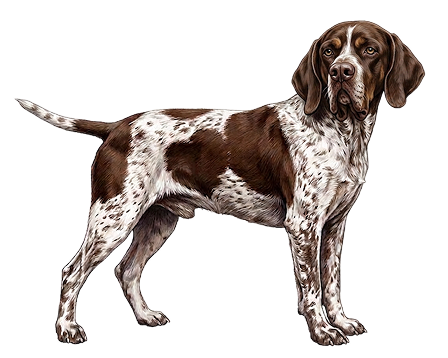
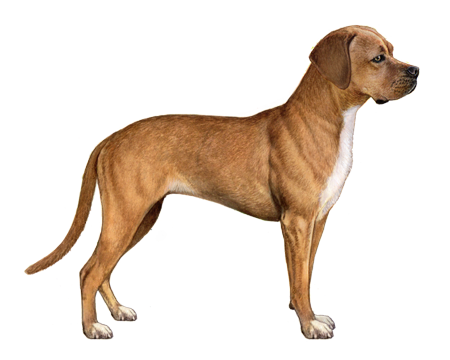
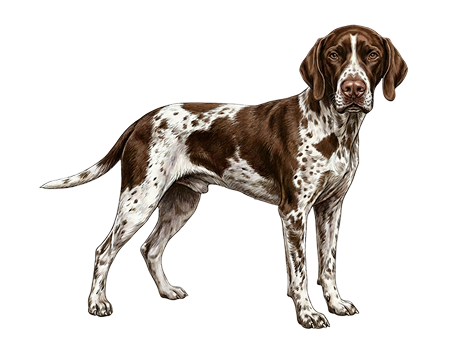
The Pachón Navarro is a large, stout, rectangular-bodied dog with strong legs. It is one of only three dog breeds in the world known to have a split or bifid (double) nose.
Coat and Coloring
The vast majority of Pachón Navarros have short, hard-textured fur. A rare few have long, silky coats. Coat colors include black and white, brown and white, liver (dark brown) and white, and orange and white — all typically featuring patches, ticking, or freckles of color. The coat can also be unicolored, bicolored, or tricolored. The white areas may have ticking.
Distinctive Physical Traits
Pachóns have a solid, boxy skull with a broad forehead and expressive brows. Their long muzzle with pendulous lips give a serious, almost solemn expression. They have floppy long ears that are set low on the head. Most dogs have the distinctive split or double nose, which appears as two large nostrils separated by a band of skin and fur dividing the nose down to the upper lip. Their skin is thick with some looseness, particularly forming a double chin around the neck. They have a strong muscular neck and deep chest.
Pachón Navarro Temperament
The Pachón is a calm, loving, gentle breed that's devoted to their family. These friendly pups get along well with most other dogs and are not prone to picking fights—though they will defend what is theirs. They are good with children when properly socialized, but may be a risk to small non-canine pets, especially birds, due to the breed's strong bird-hunting instinct. These vigilant watchdogs can be wary of strangers and are known to be somewhat independent and stubborn.
Pachón Navarro History
The Pachón Navarro, also known as the Old Spanish Pointer, Perdiguero Navarro, and Pachón de Vitoria, is one of the oldest pointer breeds of the Iberian peninsula. Iconographic evidence of the breed goes back to the Middle Ages and hunting chronicles of the Spanish nobility exist from the 16th century. The breed is believed to descend from ancient Iberian hounds crossed with pointing dogs from France and Flanders.
The Pachón Navarro was widespread throughout Spain during the 19th century and was among the breeds recognized by the Real Sociedad Canina España (RSCE) at its foundation in 1911. It was officially recognized with a breed standard in 1922. The Spanish Civil War and the myxomatosis virus epidemic in the 1950s decimated the population, and by the 1970s the breed was believed extinct. In 1979, a small number of surviving individuals were found in remote villages. Dedicated breeders began revival efforts, and the Asociación Nacional Pro Recuperación del Pachón Navarro was established in 2001. A breed standard was published by the government of Navarre in 2006, and in 2010 the Pachón was added to the Spanish government's official list of dog breeds. In 2026, it was listed among 16 Spanish breeds considered vulnerable by the RSCE.
Pachón Navarro Care
Nutrition
To meet the Pachón Navarro's nutritional needs, feed a high-quality dog food formulated for a large, active sporting breed. An adequate amount of protein is important for muscle maintenance and hunting endurance. Obesity can contribute to poor joint health, so their body condition and weight should be monitored closely. To manage their portions, feed them twice daily and measure or weigh meals to avoid over-feeding. As your dog ages, talk with your veterinarian about dietary changes needed for different life stages.
Grooming
Pachóns with short coats are very low maintenance. Brush them weekly to remove loose hair and keep the coat clean, and bathe only as needed. Dogs with long coats will need more frequent brushing to avoid tangles and mats. Their floppy ears are prone to otitis, so one must check and clean them regularly to prevent infections. To round out their grooming routine, trim their nails monthly and provide regular at-home dental care.
Exercise
This active breed needs at least 60–90 minutes of vigorous daily exercise. Due to their energy level and need for open spaces to run freely and explore, the Pachón is not suited to apartment living. For activities that align with their natural tendencies, consider hunting, fieldwork, and outdoor activities where they can use their noses. Mental stimulation through scent games and structured activities is essential alongside physical exercise.
Training
Pachón Navarros are intelligent and receptive, but can have a stubborn streak. They respond best to patient, positive reinforcement-based training with short, consistent sessions. Start them on basic obedience training as a puppy, then add pointing and retrieving fieldwork as they mature. Their tracking ability and concentration help them learn. Firm but gentle handling is the most effective approach with these pups.
Pachón Navarro Genetic Health Conditions
-
Chondrodystrophy (CDDY) and Intervertebral Disc Disease (IVDD) Risk
Chondrodystrophy (CDDY) is a skeletal disorder characterized by shortened limbs and abnormal early degeneration of the spinal discs, or intervertebral disc disease (IVDD), which predisposes to disc herniation.
-
Factor VII Deficiency
Factor VII Deficiency is an inherited blood clotting disorder that results in excessive bleeding occurring after a severe trauma or surgery. The signs of the disease are typically mild but can vary in severity in different affected dogs.
-
Rod-Cone Dysplasia 3
Rod-Cone Dysplasia 3 (rcd3) is an eye disorder affecting the development of retinal photoreceptors at the back of the eye, resulting in vision loss.
Knowing if your Pachón Navarro is a carrier or at-risk for these conditions can help you and your veterinarian plan for your pup’s lifelong care. With Wisdom Panel™ Premium, you can get results for over 200 genetic health tests.
Breed Group
Sporting
The sporting group breeds are incredibly diverse in personality and appearance, but can be characterized as very sturdy. They were developed to work closely with people and in general have a very responsive nature and high intelligence.



















Resources
https://www.rsce.es/razas-espanolas-pachon-navarro/ https://www.pachon.info/
Reviewed by Casey Knox, DVM