Epagneul Breton (European Brittany)
The Epagneul Breton is the most popular French hunting dog globally. This breed is happy, energetic, and equally eager to be part of family adventures, the show ring, or the hunt.
Interested in discovering if your dog is an Epagneul Breton (European Brittany)?
Check out Wisdom Panel's DNA tests.
Epagneul Breton (European Brittany) Traits
General Appearance
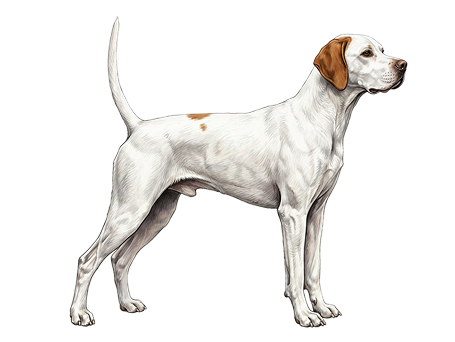
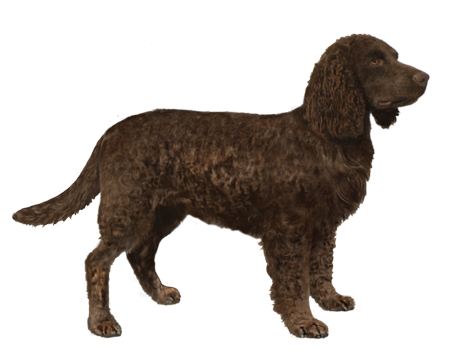
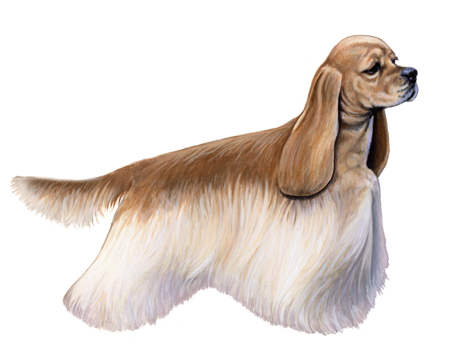
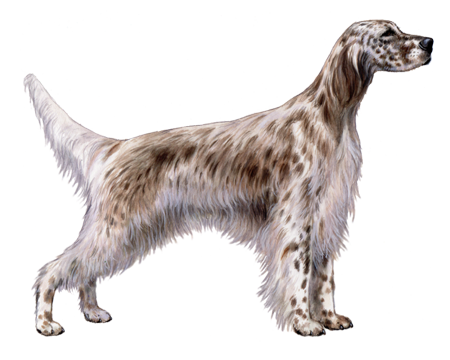
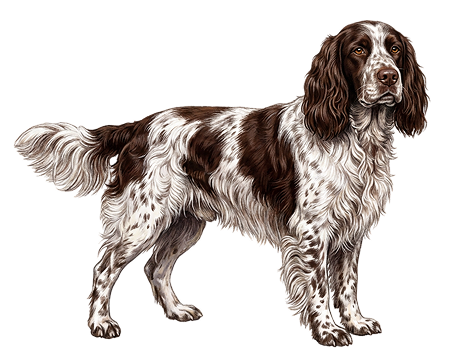
The smallest of the versatile gun dog breeds, the Brittany is compact, medium-sized, leggy, and well-muscled.
Coat and Coloring
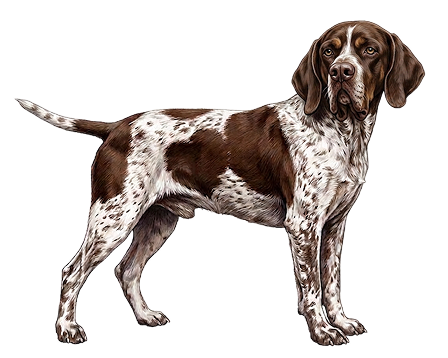
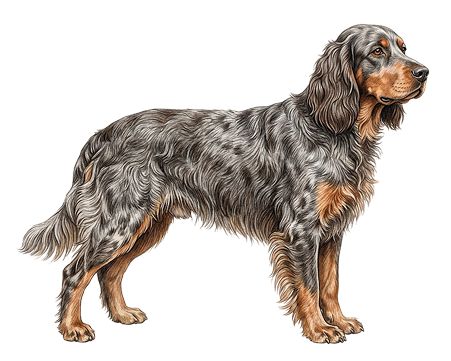
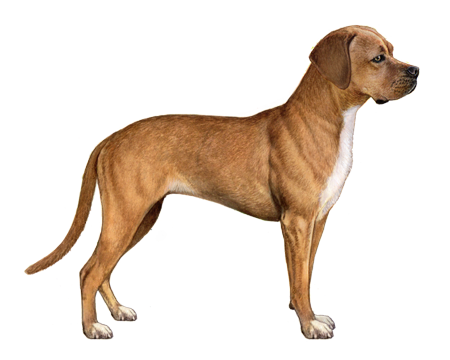
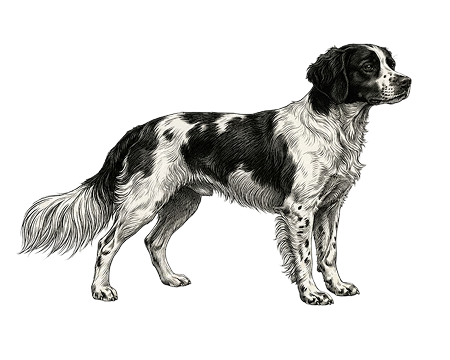
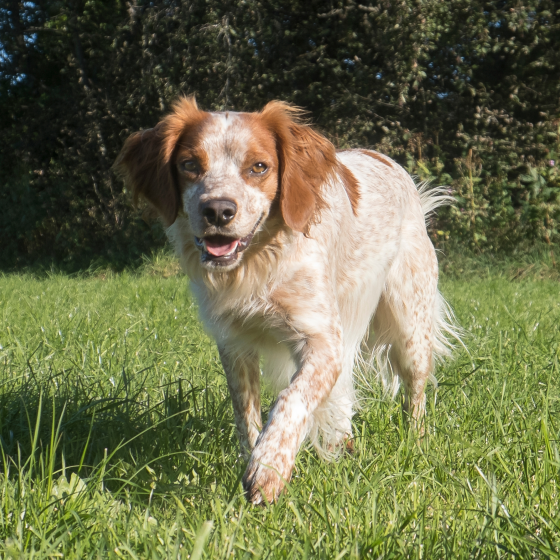
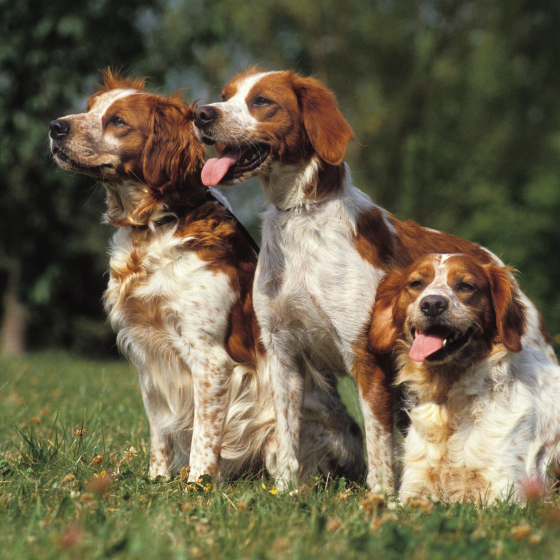
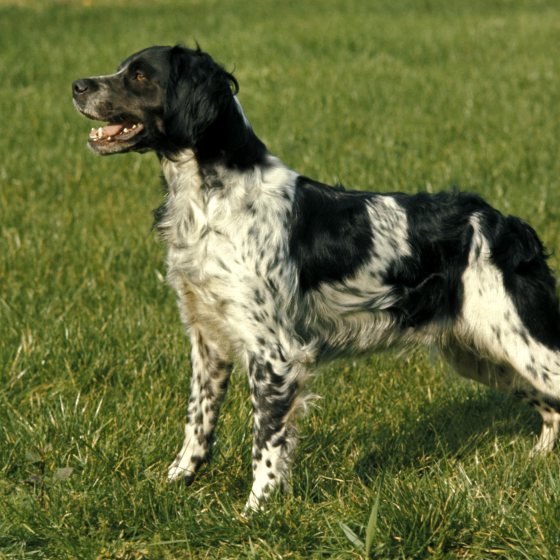
Brittanys have a dense double coat that is flat or wavy (never curly) and designed to repel water and dirt. French Brittanys come in orange and white, liver and white, black and white, and tricolor—unlike the American Brittany standard that does not allow black. They have light feathering on their ears, front legs, and hind legs.
Distinctive Physical Traits
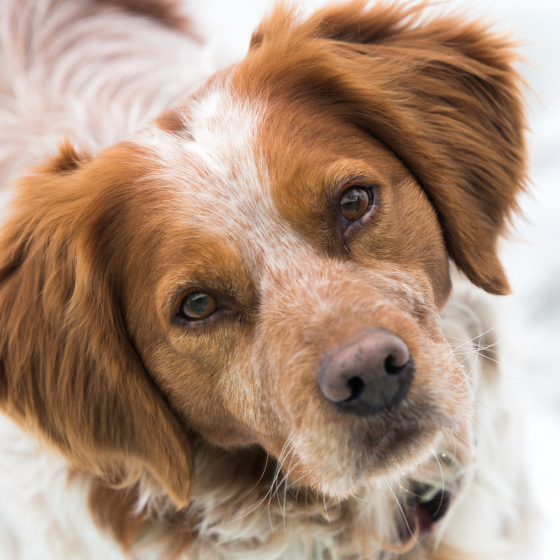
Brittanys are slightly longer than they are tall. They have a rounded head, high-set floppy ears, and expressive amber-to-brown eyes. French Brittanys typically have a shorter nose than the American variety. Their tails are naturally short (bobtailed) in some individuals or may be docked.
Epagneul Breton (European Brittany) Temperament
Brittanys are happy, bright, alert, energetic, gentle, and eager to please. They are affectionate with family and good with children. Not shy or timid, but sensitive to correction; harsh training is counterproductive. Brittanys can be restless and prone to barking if they do not get enough exercise, so it is important to meet their physical and mental activity needs.
Epagneul Breton (European Brittany) History
As the name suggests, the French Brittany originated in the Brittany region of northwestern France. Historical evidence in paintings and tapestries dates the breed back to the 17th century, with the first written record from Reverend Davies occurring in 1850. The breed was likely developed when English nobles visiting France left their dogs behind, which then interbred with local spaniels.
The first club, le Club de l'Épagneul Breton, was founded in 1907 and a breed standard was formally established in 1908. Because the breed is an all-around gundog that can hunt, point and retrieve, it is termed an HPR breed rather than a spaniel.
Epagneul Breton (European Brittany) Care
Nutrition
To meet the Brittany's nutritional needs, feed a high-quality diet appropriate for their life stage. A high-energy diet formulated for an active lifestyle with protein content for muscle maintenance will help these dogs thrive. To manage their portions, feed them twice daily and measure or weigh meals to avoid over-feeding.
Grooming
Brittanys have low-to-moderate grooming needs. They do not require professional trims, but do need to be brushed weekly at home to remove dirt, reduce shedding, and prevent mats. To round out their grooming, check and clean ears regularly, trim nails monthly, and develop a regular at-home dental care routine.
Exercise
This active breed needs at least 60–90 minutes of vigorous daily exercise. Brittanys thrive with hunting, field work, agility, or active outdoor play. They need a fenced yard or access to land to keep them safe and engaged. Brittanys that get bored or restless may bark excessively or become destructive. To work their bodies and their minds, consider field trials, agility, obedience, and flyball.
Training
These pups are highly trainable and eager to please. They respond best to positive reinforcement and consistency, and are very sensitive to tone. Early obedience training and socialization are strongly recommended to help them develop into well-mannered dogs.
Epagneul Breton (European Brittany) Genetic Health Conditions
-
Complement 3 Deficiency
Complement 3 Deficiency (C3D) is a disease that causes severe immunodeficiency, leaving affected dogs vulnerable to infections.
Knowing if your Epagneul Breton (European Brittany) is a carrier or at-risk for these conditions can help you and your veterinarian plan for your pup’s lifelong care. With Wisdom Panel™ Premium, you can get results for over 200 genetic health tests.
Breed Group
Sporting
The sporting group breeds are incredibly diverse in personality and appearance, but can be characterized as very sturdy. They were developed to work closely with people and in general have a very responsive nature and high intelligence.