Yakutian Laika
The Yakutian Laika is an ancient breed that today is relatively rare outside of Russia. In the Sakha language, the breed is called 'Sakha yta' meaning 'Yakut dog.'
Interested in discovering if your dog is a Yakutian Laika?
Check out Wisdom Panel's DNA tests.
Yakutian Laika Traits
General Appearance
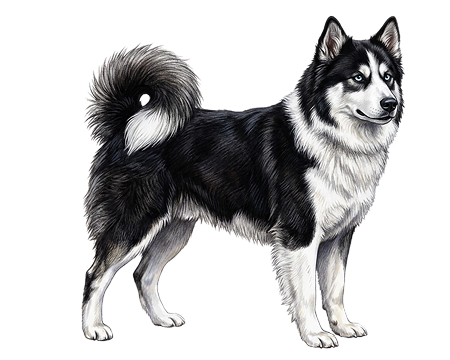
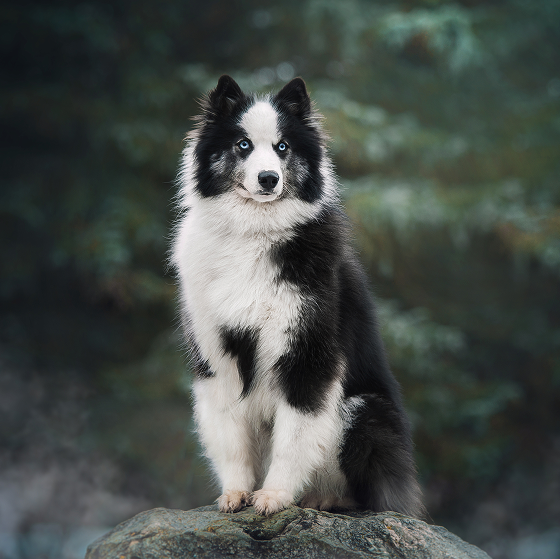
The Yakutian Laika is a medium-sized, sturdy, and well-muscled dog with a typical spitz-type build.
Coat and Coloring
This breed has a double coat with a dense, soft undercoat and a longer, coarser, straight outer coat. Their woolly undercoat inhibits heat dissipation in warm weather.
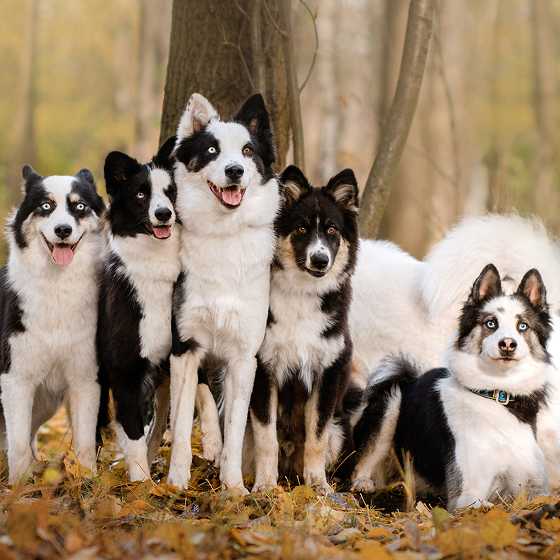
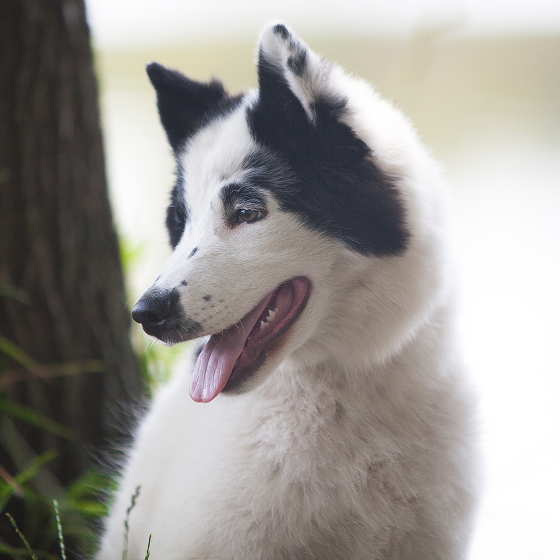
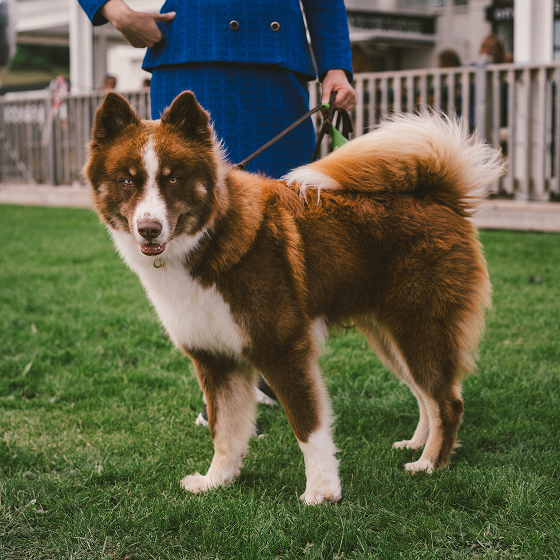
Common colors include black and white (the most typical), solid white, tricolor, and brown with white. Grey and piebald patterns also occur. Solid black is not an accepted color in the breed standard.
Distinctive Physical Traits
The Yakutian Laika is sightly longer than it is tall, with a rounded rib cage and a well-developed chest. The head is proportionate and wedge-shaped with pricked erect ears. Their eyes are almond-shaped , with blue eyes and heterochromia (one blue, one brown) common and accepted in the breed. Their tail is bushy and carried in a sickle or curled over the back.
Yakutian Laika Temperament
Yakutian Laikas are loyal, affectionate, alert, intelligent, and playful. They bond deeply with family, including children, and are protective of their humans and territory. They can also be cautious around strangers if not properly socialized. This breed has a strong prey drive and may be aggressive toward other dogs or animals perceived as prey. Like all Laika, they can be vocal when alert and are not suited for apartment living. Typical of working spitz breeds, these pups have an independent streak.
Yakutian Laika History
The Yakutian Laika, developed by the indigenous Yakut (Sakha) people of northeastern Siberia, is one of the oldest dog breeds in the world. Archaeological evidence places similar dogs in the region as much as 8,000 years ago. Nicolas Cornelissen Witsen first documented the breed in 1692.
These dogs served as an indispensable multipurpose workers: pulling sleds, herding reindeer, hunting game and birds, and guarding. During the 1839 mail service between Yakutsk and Kamchatka, teams of 11 dogs pulled sleds carrying 1,000–1,400 lbs of cargo up to 53 miles daily.
Numbers declined severely from the 1940s to 1990s, reaching a low of approximately 3,000 individuals in 1998. Revival efforts led to the Russian Cynological Federation accepting the breed standard in 2005. In 2017, two individual dogs were cloned to preserve genetic material. That same year, the AKC admitted the breed to its Foundation Stock Service, and in 2019, the breed was provisionally accepted by FCI.
Yakutian Laika Care
Nutrition
To meet the Yakutian Laika's nutritional needs, feed a high-quality diet rich in protein and moderately low in fat to support lean muscle mass and active lifestyle. Adjustments to their diets should be made based on weight, age, health, and activity level. To prevent bloat, avoid vigorous activity immediately before or after meals. To manage their portions, measure or weigh meals to avoid over-feeding. Supplements supporting joint health and coat condition may be beneficial for this breed.
Grooming
Brush this double-coated breed weekly to manage shedding. During seasonal heavy shedding, daily brushing is recommended. While baths are sometimes necessary, avoid frequent bathing, as it strips natural oils. To round out their grooming, check and clean ears regularly, trim nails monthly, and develop a regular at-home dental care routine.
Exercise
This high-energy breed requires a minimum of 60 minutes of vigorous daily exercise. Activities that tap into their natural abilities include sled pulling, jogging, hiking, agility, and herding trials. Just be careful to avoid strenuous exercise in hot temperatures, as their dense undercoat inhibits heat dissipation. In addition to physical activity, be sure this breed gets plenty of mental stimulation.
Training
The Yakutian Laika is an intelligent breed historically trained for complex tasks. They respond well to consistent, positive reinforcement training. They can be very independent, so patience and firmness are required. Early socialization with people, dogs, and different environments is strongly recommended. This breed is not ideal for first-time dog owners.
Breed Group
Asian and Oceanian
The Asian and Oceanian group is comprised of breeds whose origins lie in Asia, which have spread as far as Australia, the islands of the Pacific, and the Arctic. This group is possibly the most ancient of all breed groups and were bred for a variety of purposes, including guarding, hunting, and as draft dogs.