Barbado da Terceira
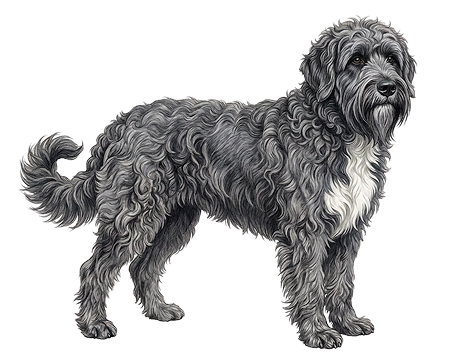
The name Barbado means "bearded" in Portuguese, a reference to the distinctive thick hair under the Barbado da Terceira's jaw. This intelligent, joyful breed is noted for its low-shedding, potentially hypoallergenic coat.
Interested in discovering if your dog is a Barbado da Terceira?
Check out Wisdom Panel's DNA tests.
Barbado da Terceira Traits
General Appearance
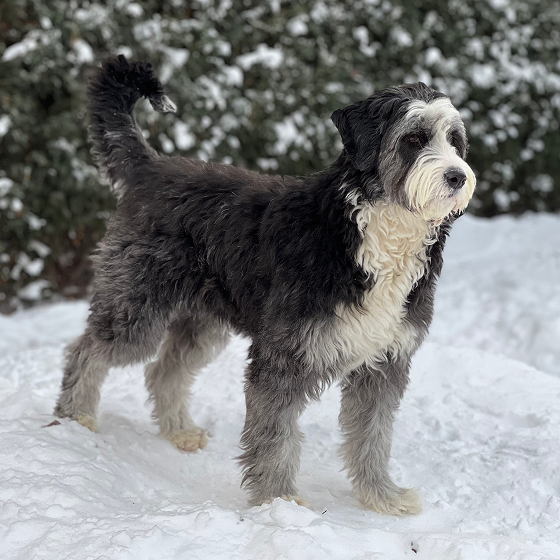
The Barbado da Terceira is a medium-sized, muscular, and solidly built dog with an intelligent expression. Historically, the breed was developed for agility and endurance in cattle management on volcanic island terrain and it has retained a rustic and robust appearance.
Coat and Coloring
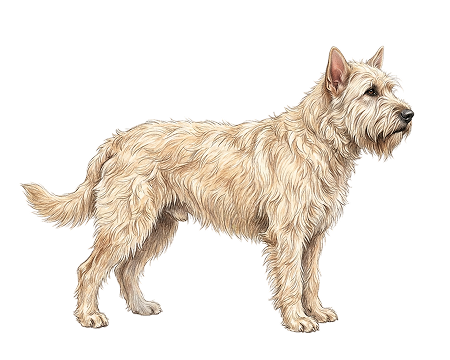
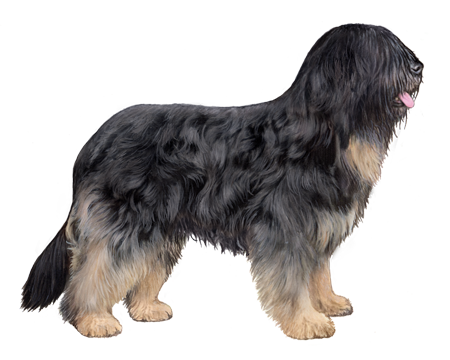
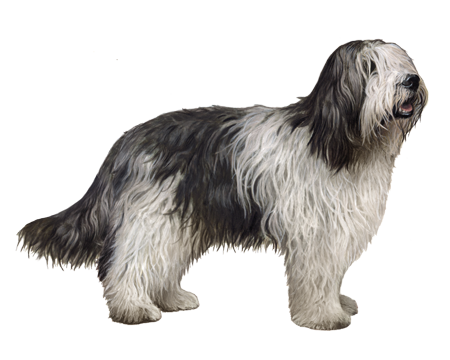
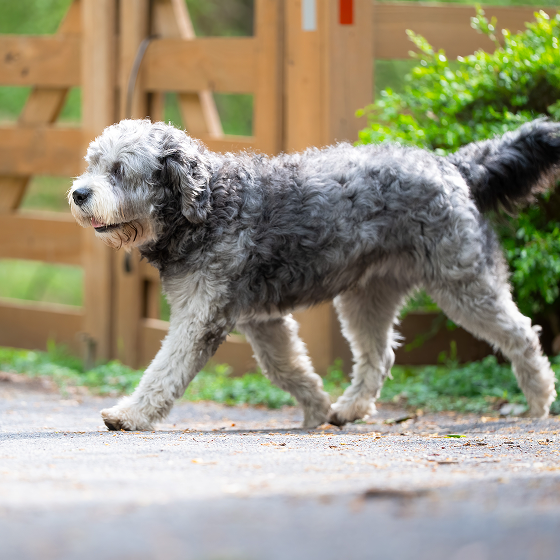
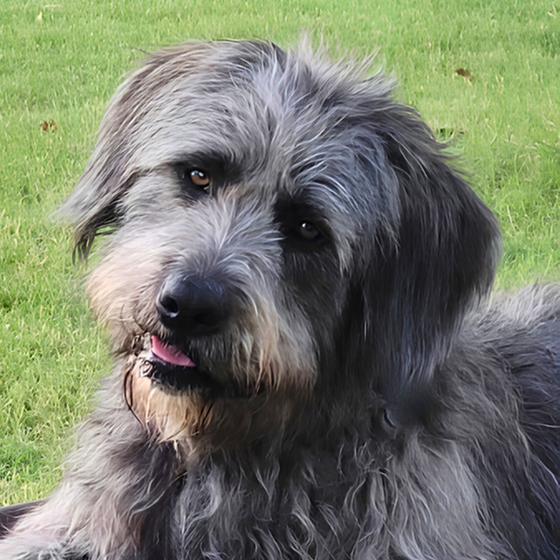
This breed has a long, dense, slightly wavy coat — neither straight nor curled — with an abundant undercoat across the whole body. The hair is strong and slightly thick, but not harsh. They have dense facial covering including a beard and prominent eyebrows. They are a low-shedding breed. In conformation shows, a working clip (shortening coat evenly) is required.
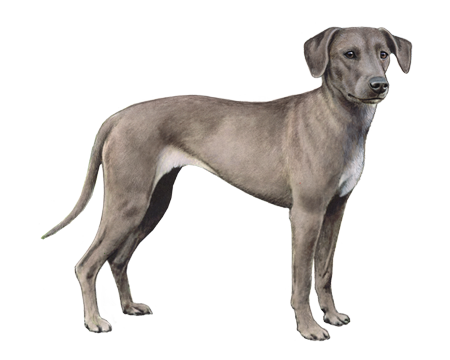
The Barbado da Terceira's coat colors include black, grey, fawn, and yellow; white patches may appear.
Distinctive Physical Traits
The Barbado da Terceira's body is slightly longer than tall. They have a strong, large head with parallel skull-muzzle axes. The muzzle is relatively short and wide and framed by their distinctive beard. Their expressive eyes are medium-sized, oval, semi-frontal, and honey to dark brown in color (not blue). They have hanging, medium-sized ears that are set high. Their neck is short and well-muscled. Their tail is set medium to low.
Barbado da Terceira Temperament
The Barbado da Terceira is an intelligent, joyful, and willful breed. They are loyal dogs that form exceptionally strong bonds with their family and are good with children. Their sensitive and responsive nature makes them easy to train and eager to please. These protective and alert dogs make good watchdogs. They can be reserved around strangers and may display some assertiveness toward other dogs. This breed enjoys being around their people and doesn't like being left alone for extended periods. Because they need lots of space to run and work, these dogs are not well-suited to apartment living.
Barbado da Terceira History
The Barbado da Terceira is a herding and livestock guardian breed from Terceira, one of the nine volcanic islands of the Azores archipelago, located approximately 1,000 miles west of mainland Portugal. The breed developed from various dogs brought to the Azores by Portuguese colonists beginning in the 15th century.
Over generations of isolation, dogs were selectively bred for cattle herding skills. Dogs biting low (at the pastern) were selected for dairy cattle; those biting higher (at the hock) were selected for wild cattle.
The Portuguese Kennel Club (CPC) investigated the breed in 1997 and formally recognized it in April of 2004. A 2005 census recorded only 222 registered individuals, placing the breed at the brink of extinction. In the 2010s, a group of dedicated breeders worked to increase the population's numbers, and the breed now has a club in the United States with Foundation Stock Service recognition by the AKC in 2020.
The first Barbado da Terceira arrived in the United States in 2018. The AKC accepted the breed into its Foundation Stock Service in January 2021.
Barbado da Terceira Care
Nutrition
To meet the Barbado da Terceira's nutritional needs, feed a high-quality diet appropriate for a medium-sized herding breed. A balanced diet providing ample protein will support their active and muscular build. Though this breed is not generally prone to obesity, it is important to keep an eye on their food intake and exercise them regularly. To manage their portions, measure or weigh meals to avoid over-feeding and keep treats to less than 10% of their daily calories.
Grooming
Though they are a low-shedding breed, the Barbado da Terceira's wavy, long coat requires regular brushing to prevent tangles and matting. Several times per week is a good guideline, though daily brushing may be required during seasonal changes. They can be bathed every few weeks or as needed, and their beard requires regular cleaning to keep it free of debris. To round out their grooming, check and clean ears regularly, trim nails monthly, and develop a regular at-home dental care routine.
Exercise
This active breed requires at least 60 minutes of daily vigorous activity. Activities that tap into their natural tendencies and instincts include herding work, agility, long walks, and play. In addition to physical activity, be sure this breed gets plenty of mental stimulation.
Training
The Barbado da Terceira is highly trainable and eager to please. They respond well to consistent, positive reinforcement-based training. Early socialization and obedience training are essential given the breed's protective and willful tendencies, and experienced pet parents are recommended. If you want to tie their training to their innate skills, herding trials, agility, and obedience competitions are great choices.

Barbado da Terceira Genetic Health Conditions
-
Chondrodystrophy (CDDY) and Intervertebral Disc Disease (IVDD) Risk
Chondrodystrophy (CDDY) is a skeletal disorder characterized by shortened limbs and abnormal early degeneration of the spinal discs, or intervertebral disc disease (IVDD), which predisposes to disc herniation.
-
MDR1 Medication Sensitivity
The MDR1 gene variant causes a defect to a drug pumping protein that plays an important role in limiting drug absorption and distribution (particularly to the brain). Dogs with the MDR1 variant may have severe adverse reactions to some commonly used medications.
Knowing if your Barbado da Terceira is a carrier or at-risk for these conditions can help you and your veterinarian plan for your pup’s lifelong care. With Wisdom Panel™ Premium, you can get results for over 200 genetic health tests.
Breed Group
Herding
The herding group is a diverse category. These highly intelligent breeds were developed to guard and control the movement of livestock.