Bouvier des Ardennes
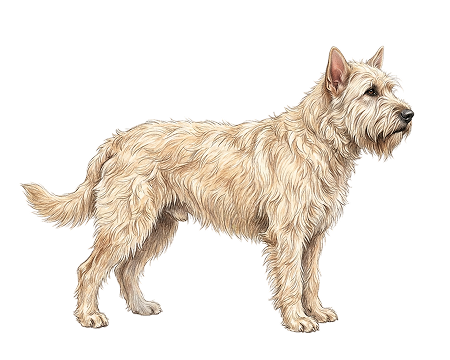
The word "Bouvier" means "bovine herder" in French, and Ardennes refers to the breed's region of origin. The Bouvier des Ardennes was used as a poacher's dog during both World Wars. They have strong protective instincts and form close bonds with their family.
Interested in discovering if your dog is a Bouvier des Ardennes?
Check out Wisdom Panel's DNA tests.
Bouvier des Ardennes Traits
General Appearance
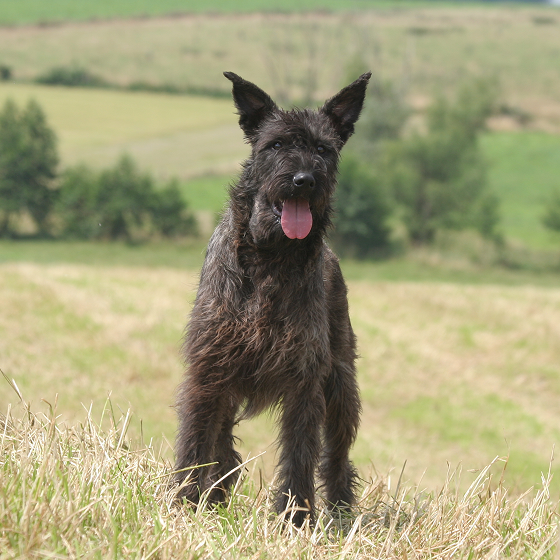
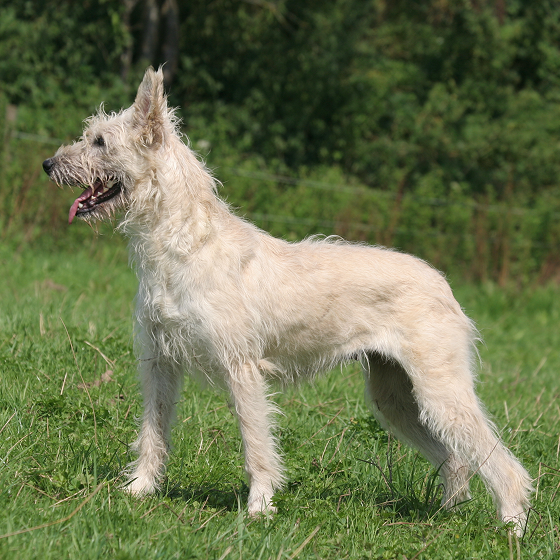
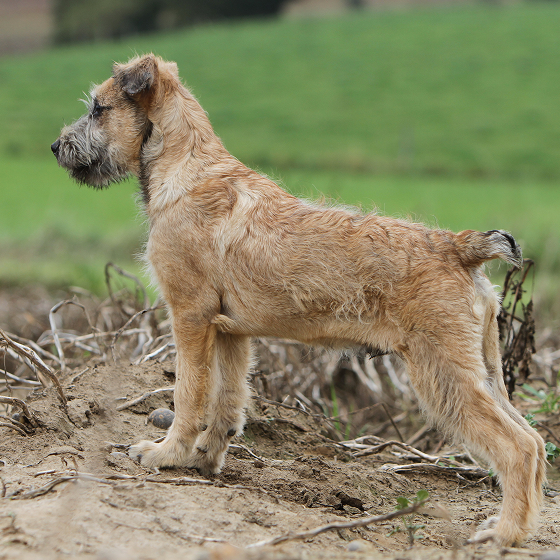
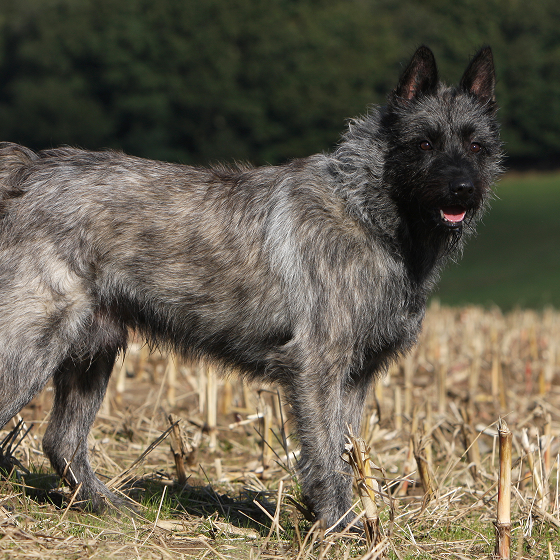
The Bouvier des Ardennes is medium-sized, compact, and strongly built. Their appearance is robust and functional rather than elegant.
Coat and Coloring
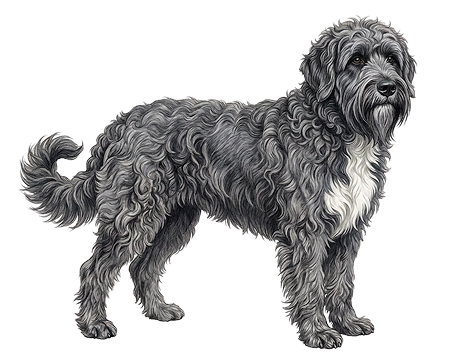
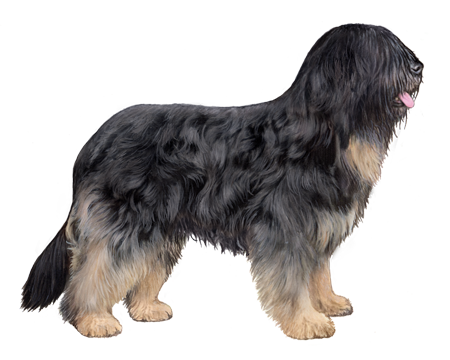
This breed has a dense, double, weatherproof coat of medium length. The topcoat is rough, wiry, tousled, and harsh to the touch. The "beard" and "eyebrows" give the breed a formidable, characterful look. Colors include all shades of grey, black, brindle, and peppered varieties. White is not accepted in the breed standard. The coat provides strong protection in the harsh Belgian climate.
Distinctive Physical Traits
Bouvier des Ardennes have a short, stocky body with heavier bone than their size suggests. Their powerful, strong head is rather short and broad with a flat, slightly domed skull and a pronounced stop emphasized by bushy eyebrows. Their small, triangular ears are set high on the skull—fully erect is preferred, though semi-prick is acceptable. Their eyes are oval-shaped and dark, with fully pigmented black rims. Their mustache and beard are approximately 2 inches and their nose is always broad and black. Their tail may be naturally short or long.
Bouvier des Ardennes Temperament
The Bouvier des Ardennes is a playful, curious, and adaptable breed—and obstinate when defending family or territory. These extremely loyal pups form close bonds with family and can suffer separation anxiety when left alone for too long. The breed is generally friendly and good with children, though these independent thinkers require firm but empathetic guidance. The breed enjoys being active outdoors but can be calm at home as long as they get appropriate exercise. These energetic, hard-working dogs are not well-suited to apartment living.
Bouvier des Ardennes History
The Bouvier des Ardennes is a rare Belgian herding breed from the rugged Ardennes region. Herding dogs have existed in the Belgian Ardennes since at least the 19th century. These dogs were bred only from the hardiest, most hardworking dogs so they would have the traits and qualities needed to drive cattle, sheep, pigs, and horses across difficult terrain and harsh weather.
A breed standard was published in 1923, and the breed was officially recognized by the Belgian Kennel Club that year. However, World War I drastically reduced the breed's numbers, and World War II further suppressed the breed, leaving only a handful of dogs. By the 1970s–80s, the breed was believed extinct until a small population was discovered in 1985 in southern Belgium, owned by local farmers. Breeders used the original 1923 standard to re-establish the breed.
Despite these revival efforts, the breed has low genetic diversity due to the small founding population. Today the breed is recognized by the FCI (Group 1) and the UKC, and the AKC has admitted it to its Foundation Stock Service.
Bouvier des Ardennes Care
Nutrition
To meet the Bouvier des Ardennes's nutritional needs, feed a high-quality wet or dry food appropriate for a medium-to-large active working dog. A diet with high meat content supports muscles and joints. It's important to avoid overfeeding, as obesity worsens joint problems common in working breeds. To keep portions under control, feed them twice daily and measure or weigh meals. As your dog ages, talk with a veterinarian for life-stage-specific nutrition guidance.
Grooming
This breed's rough, wiry double coat requires brushing at least 2–3 times per week to prevent matting. During periods of seasonal shedding, increased brushing is needed. To keep them tidy, trim the beard and mustache periodically and bathe only as needed to preserve the coat's natural weather resistance. Check and clean their ears regularly and trim their nails monthly. At home dental care and routine dental exams with professional cleanings are important for their dental hygiene.
Exercise
This very active working breed needs at least 60 minutes of vigorous daily exercise. A large fenced yard or rural setting will give these dogs the space they need to move around. They thrive when given a job to do, so herding, agility, tracking, or active play are all good ways to expend energy. Without adequate exercise, they can develop nuisance behaviors such as excessive barking and destructiveness. They also enjoy hiking, swimming, and vigorous outdoor activities.
Training
These intelligent and willing workers respond best to firm, consistent, and empathetic training with positive reinforcement. They can be independent and stubborn at times, requiring patience and clear leadership. Early socialization from puppyhood is essential for them to be well-rounded, well-mannered dogs.
Bouvier des Ardennes Genetic Health Conditions
-
Spongy Degeneration with Cerebellar Ataxia (Discovered in Belgian Malinois - SDCA1)
Spongy Degeneration with Cerebellar Ataxia (SDCA) is an early onset disease of poor coordination, muscle twitching and seizures.
Knowing if your Bouvier des Ardennes is a carrier or at-risk for these conditions can help you and your veterinarian plan for your pup’s lifelong care. With Wisdom Panel™ Premium, you can get results for over 200 genetic health tests.
Breed Group
Herding
The herding group is a diverse category. These highly intelligent breeds were developed to guard and control the movement of livestock.