Mountain Cur
The Mountain Cur has been used as a tree dog, farm dog, and water dog. This athletic, sturdy breed is known to be intelligent and eager to please.
Interested in discovering if your dog is a Mountain Cur?
Check out Wisdom Panel's DNA tests.
Mountain Cur Traits
General Appearance
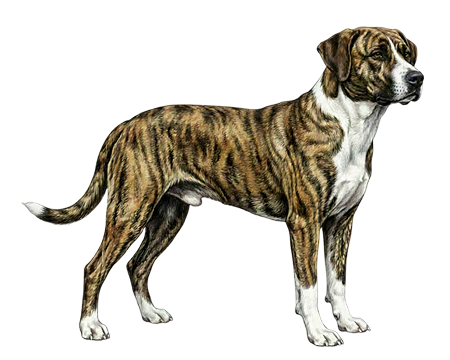
The Mountain Cur is a sturdy working dog with a strong build.
Coat and Coloring
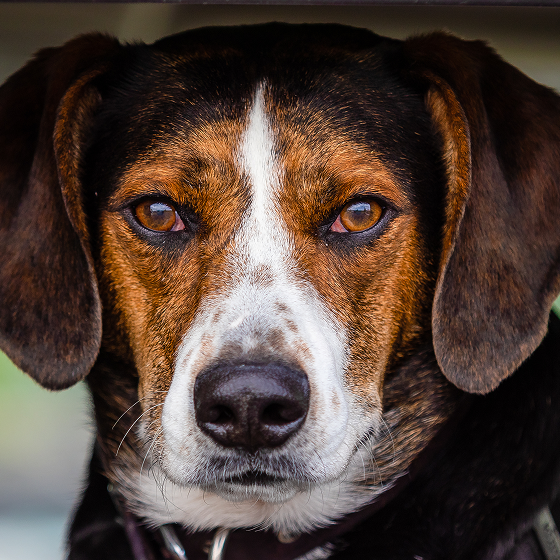
The Curs short coat occurs in blue, black, yellow, brown, or brindle, and black masks are common. Some dogs show white markings on the face or chest.
Distinctive Physical Traits
This athletic breed is bred for agility in rugged Appalachian mountain terrain.
Mountain Cur Temperament
Mountain Curs are an intelligent, easily trained breed. They are neither vicious nor shy. They have a reputation for trying to please their humans and getting along well with children and other pets.
Mountain Cur History
The Mountain Cur was brought to America from Europe nearly two hundred years ago by settlers of the mountains of Ohio, Virginia, Kentucky, and Tennessee. Later the breed spread to Arkansas and Oklahoma, where they were used to guard family and property and to chase and tree game. The breed enabled frontier settlers to provide meat and pelts, making it a cornerstone of Appalachian frontier life. Famous frontiersman Daniel Boone is noted as a breeder of Mountain Curs.
During World War II, many breeding families left rural areas to work in factories, and by the late 1940s the breed was becoming rare. Four individuals — Hugh Stephens and Woody Huntsman of Kentucky, Carl McConnell of Virginia, and Dewey Ledbetter of Tennessee — saved the breed and set the standard, founding the Original Mountain Cur Breeders' Association in 1956. The Mountain Cur has been registered with the United Kennel Club since 1998 and is also recognized by the American Kennel Club Foundation Stock Service.
Mountain Cur Care
Nutrition
To meet the Mountain Cur's nutritional needs, feed high-quality food formulated for a medium-to-large, active breed. Obesity can contribute to poor joint health so their weight and body condition should be monitored. To manage their portions, feed them twice daily and measure or weigh meals to avoid over-feeding. As your dog ages, talk with your veterinarian about dietary changes needed for different life stages.
Grooming
The Mountain Cur's short coat requires minimal grooming. Regular brushing and basic care including ear cleanings, nail trims, and dental care will suffice.
Exercise
As a working treeing and hunting dog, the Mountain Cur requires substantial daily exercise and mental stimulation through scent work or hunting activities.
Training
This breed's intelligence and eagerness to please make them easy to train. They have been successfully used for treeing small game, baying large game, and farm work.
Breed Group
Hound
The most common ancestral trait of this group is being used for hunting. Some use acute powers of scent to follow a trail while others demonstrate the gift of stamina as they run down a quarry. Beyond these two common traits, however, generalizations about hounds are hard to come by as the group is comprised of a very diverse lot of breeds.


