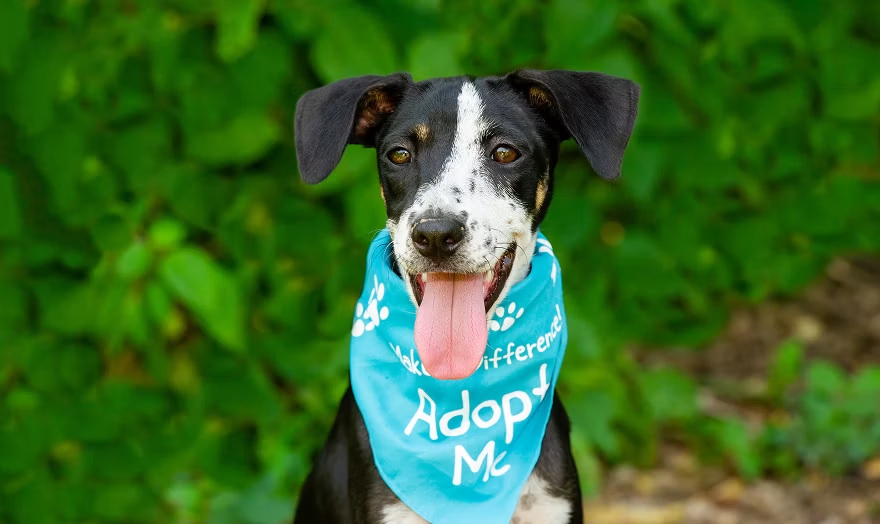
Every October, Adopt a Shelter Dog Month shines a spotlight on dogs waiting for homes and the shelters and rescues working to care for them. Whether you’re ready to adopt or simply want to help, there are plenty of ways to make a difference.
Why Adopt a Shelter Dog Month matters
Adopt a Shelter Dog Month began in October of 1981, when the American Humane Society launched a campaign to encourage people to adopt dogs from local shelters and rescue organizations. More than four decades later, the need to support shelter dogs remains significant.
In 2025, approximately 2.8 million dogs entered shelters and rescues across the U.S., according to Shelter Animals Count. About 2 million dogs were adopted, and while dog euthanasia declined from the previous year, approximately 320,000 dogs were euthanized. Many shelters also continue to face capacity challenges as dogs, particularly larger dogs, spend longer periods waiting for homes.
Adoption helps relieve some of that pressure. When a dog is adopted, they get the opportunity to settle into a permanent home, while the shelter gains space and resources to help another animal in need.
Adoption can have practical benefits for pet parents, too. Shelter and rescue organizations typically evaluate dogs before adoption and can often provide useful information about their personality, behavior, health, and ideal home environment. Many dogs have also received vaccinations, microchips, spay or neuter procedures, and other veterinary care before going home. Because these services are often included in the adoption fee, adopting can cost less than acquiring a dog through other routes.
And shelters aren’t just home to one type of dog. You’ll find puppies, adults, and seniors; small and large dogs; purebreds and mixed breeds; couch potatoes and adventure buddies. Understanding shelter dogs and taking the time to find the right match can help set both you and your new pup up for success.
How to support shelter dogs
Adoption
If you’re ready to add a dog to your family, start by thinking about the characteristics that will make a dog a good fit for your household. Consider your activity level, schedule, living situation, other pets, and how much time you can devote to training, exercise, grooming, and care.
From there, you can search local shelters and rescue organizations or use a site like Adopt a Pet to see available dogs in your area. Once a dog catches your eye, talk with shelter staff or foster caregivers. They may be able to tell you how the dog behaves in different situations, what they enjoy, what they find challenging, and what type of home might suit them best.
The adoption process varies by organization, but it typically includes an application, a meet-and-greet, and adoption paperwork and fees. Some organizations may also recommend or require introductions with other dogs in the household.
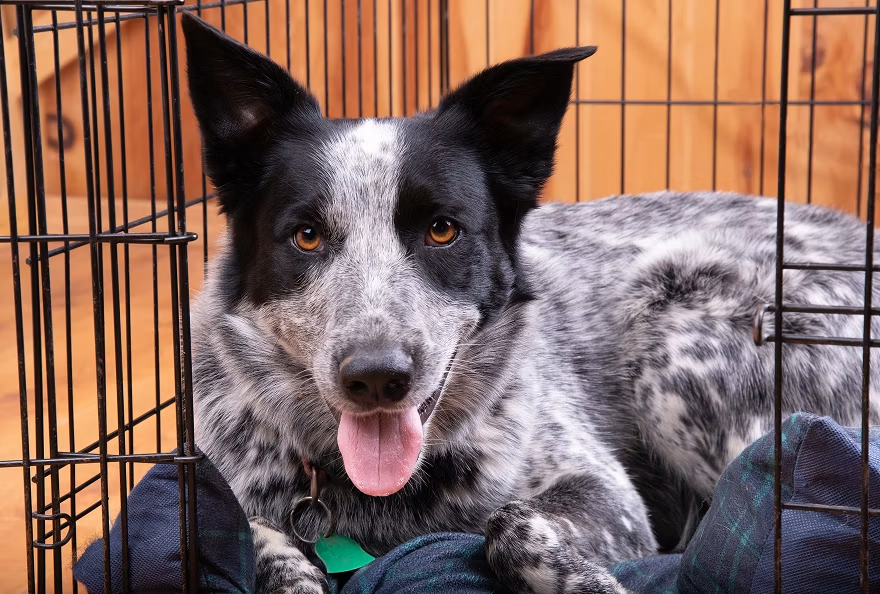
Before adoption day, stock up on the basics, including food, bowls, a leash and collar or harness, identification tags, a comfortable bed, and a crate or other safe resting area. You’ll have plenty of time to figure out which toys and treats become favorites later.
Fostering
Not ready for a permanent commitment? Fostering is another valuable way to help. Foster homes give dogs a break from the shelter environment while freeing up space for other animals. Dogs often relax and open up more in a home environment, giving shelters useful information about how a dog might actually behave in a home once adopted, which may help identify the right adopter.
Fostering can last anywhere from a few days to several weeks or longer, depending on the organization and the dog. Some shelters also offer short-term or weekend fostering programs, making it possible to help even if you can’t commit to an open-ended stay.
Volunteering
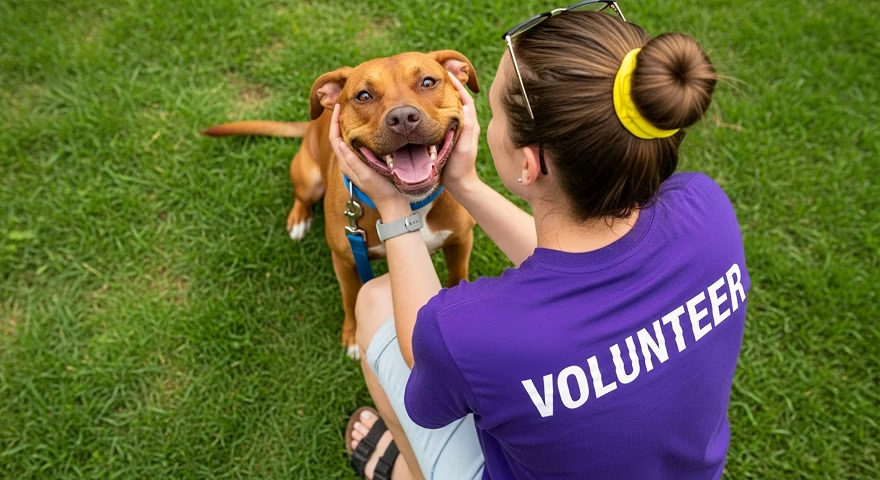
Adoption and fostering aren’t the only options. Other ways to support shelter dogs include:
- Walking dogs or helping at adoption events
- Donating money or supplies
- Transporting dogs to foster homes or veterinary appointments
- Organizing a community donation drive
- Sharing adoptable dogs on social media
Ask your local shelter what type of support they need most. Their priorities may change throughout the year, so checking in advance ensures you’re making the biggest impact.
How Wisdom Panel and Adopt a Pet are helping shelter dogs
Wisdom Panel and Adopt a Pet are working together to help shelters and rescues learn more about the dogs in their care and share those insights with potential adopters.
Launched in November 2025, this partnership allows shelters and rescues with an Adopt a Pet account to purchase Wisdom Panel Breed Discovery tests at a significant discount. Instead of relying on appearance to guess a dog’s ancestry, participating organizations can share DNA test results that include the dog’s breed mix, family tree, and other insights. That gives shelters another way to tell each dog’s individual story and gives potential adopters more information about the pup they are considering.
The program is particularly useful for long-stay dogs who may benefit from additional information that helps them stand out to prospective adopters. Need an example? Check out Marzen’s story.
Bringing your new shelter dog home
If you made the decision to welcome a shelter dog into your life, congratulations! Adoption day is exciting, but arriving in a new home is a major transition for a dog. Give your new pup time to get comfortable rather than trying to introduce them to everyone and everything at once.
Start with a predictable routine for meals, walks, bathroom breaks, play, and rest. Provide a quiet place where your dog can retreat when they need downtime, and introduce new people, pets, places, and experiences gradually.
It’s also a good idea to schedule an appointment with your veterinarian soon after adoption. Bring any health records provided by the shelter so your veterinary team can review vaccinations, medications, previous treatments, and preventive care. If your dog isn’t already microchipped, ask your veterinarian about having one placed. If they are already chipped, make sure the registration information is updated with your contact details. You may also consider getting pet insurance or assuming the insurance that sometimes comes with your new pup.
As your dog settles in, focus on building trust and reinforcing the behaviors you want to see. Positive reinforcement training can help your dog learn household routines while strengthening communication between you. Walks, play, food puzzles, sniffing opportunities, and other forms of enrichment can also help meet their physical and mental needs.
Remember that the dog you meet during the first few days may not be exactly the same dog you see several months later. As they become comfortable and learn the rhythms of their new home, their personality and preferences may become more apparent. If behavioral challenges arise, your veterinarian or a qualified trainer or behavior professional can help you develop a behavior modification plan.
Final thoughts
You don’t have to bring home a new dog to participate in Adopt a Shelter Dog Month. October is an opportunity for entire communities to support dogs in need. But if you are ready for a dog, this month is a good reminder to make your local shelter or rescue part of your search. Your next family member may already be there waiting to meet you.