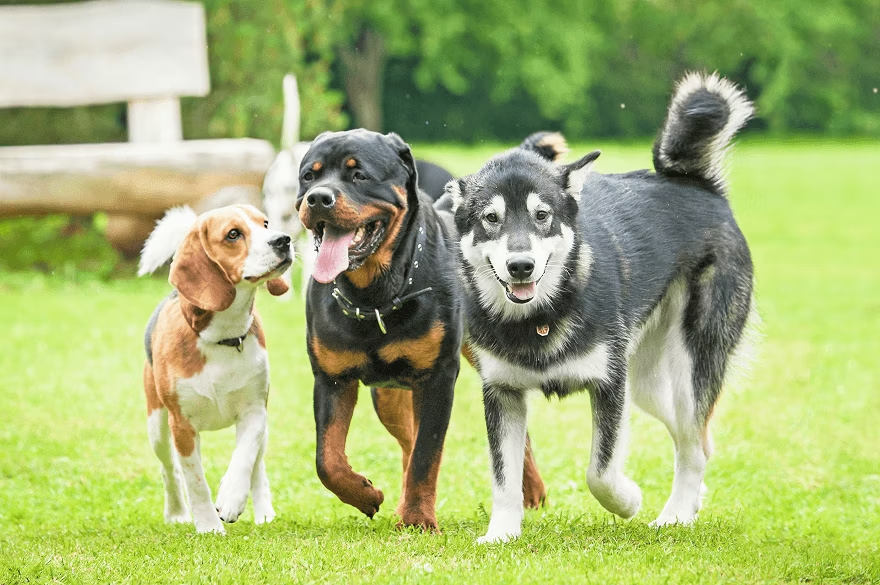

Picture a perfect day at your local dog park. The sun is shining, dogs are frolicking in the grass, and pet parents are watching their pups have the time of their lives. It doesn’t get much better than that. Unfortunately, that ideal scenario isn’t guaranteed.
Dog parks can be great places for dogs to burn off energy, practice social skills, and get mental stimulation. But because these spaces bring together unfamiliar dogs and people, things can sometimes get a little chaotic. Practicing good dog park etiquette helps prevent misunderstandings, keeps play safe, and ensures dogs and their people have a positive experience.
Why dog park etiquette matters
Dog parks are designed to give dogs a safe place to exercise and interact off leash. For many dogs, these environments offer valuable opportunities for socialization. Meeting new dogs can help them practice communication skills, build confidence, and learn appropriate play behavior.
At the same time, dogs in a park environment are often strangers to one another. Differences in size, energy levels, and play styles can sometimes lead to misunderstandings if interactions aren’t managed carefully.
This is where dog park manners come into play. Clear expectations—such as supervising your dog, cleaning up after them, and respecting other dogs’ need for space—help maintain a safe environment.
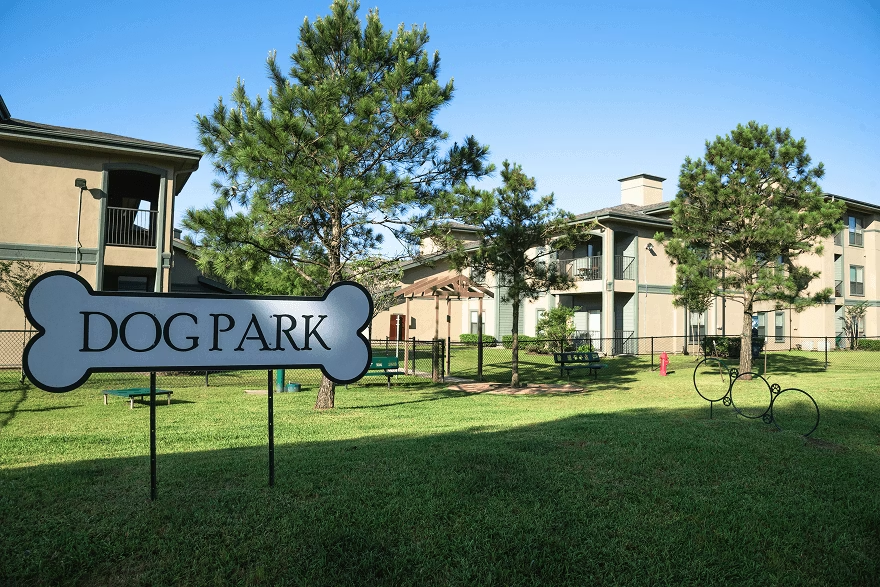
Many parks also have posted dog park rules or guidelines. These may include requirements such as licensing, vaccination status, or designated areas for large and small dogs. Taking a moment to read the rules for a dog park before entering starts the experience on the right foot.
Preparing for a dog park visit
Before you bring your dog to a busy off-leash area, it’s worth thinking about whether they’re ready for that kind of environment.
Consider your dog’s temperament
Not every dog enjoys the energy and excitement of a dog park. Some dogs thrive in social environments, while others prefer neighborhood walks or one-on-one play.
If your dog is fearful around unfamiliar dogs, reactive toward dogs or people, or still learning basic commands, a crowded dog park might be overwhelming. In these cases, smaller playdates or controlled training sessions may be a better starting point.
Puppies can enjoy dog parks too, but timing matters. A dog park for puppies may be safer than a general park, especially if your puppy is still small or learning social skills. It’s also important that puppies are fully vaccinated before bringing them to public dog parks.
Bring the essentials
A well-prepared visit can prevent small problems from becoming bigger ones. Consider bringing:
- A leash for entering and exiting the park
- Poop bags for quick cleanup
- Fresh water and a bowl
- High-value treats for recall or training (more on these later)
- A towel if the park has water or muddy areas
Even if your dog is off leash inside the play area, keeping a leash nearby is important for quickly managing your dog, if needed.
Burn a little energy before you get to the park
A dog that’s been inside for a while may have a lot of pent-up energy. Instead of immediately turning them loose in the park, where they may get over-excited or stimulated, it can be helpful to walk them for a bit before entering the play area. That will help prevent immediate zoomies that other dogs may find overwhelming.
Basic dog park etiquette
Good park manners start with small, consistent habits that keep the area clean, safe, and welcoming.
Keep your dog leashed until you enter
Most parks have a gated entrance or “double gate” system designed to safely transition dogs from leash to off-leash play. Keeping your dog leashed until you’re inside prevents sudden greetings at the gate and gives you a moment to assess the energy level of the dogs already in the park.
Always clean up after your dog
This rule is simple: pick up after your dog every time. Cleaning up promptly helps maintain a sanitary environment and shows respect for the shared space. Some parks provide waste stations, but it’s always smart to bring your own bags just in case.
Keep an eye on your dog
Dog parks aren’t places for distracted supervision. While chatting with other pet parents can be part of the fun, it’s important to keep a close watch on your dog. Attentive supervision allows you to notice changes in play, intervene early if needed, and ensure your dog is interacting appropriately with others.
Respect space and play styles
Just like people, dogs have different personalities. Some love high-energy chasing games, while others prefer calmer interactions.
If your dog is repeatedly overwhelming another dog—or if another dog seems uncomfortable—help redirect the interaction or give the dogs some space. Respecting these boundaries helps maintain positive play dynamics among all dogs in the play area.
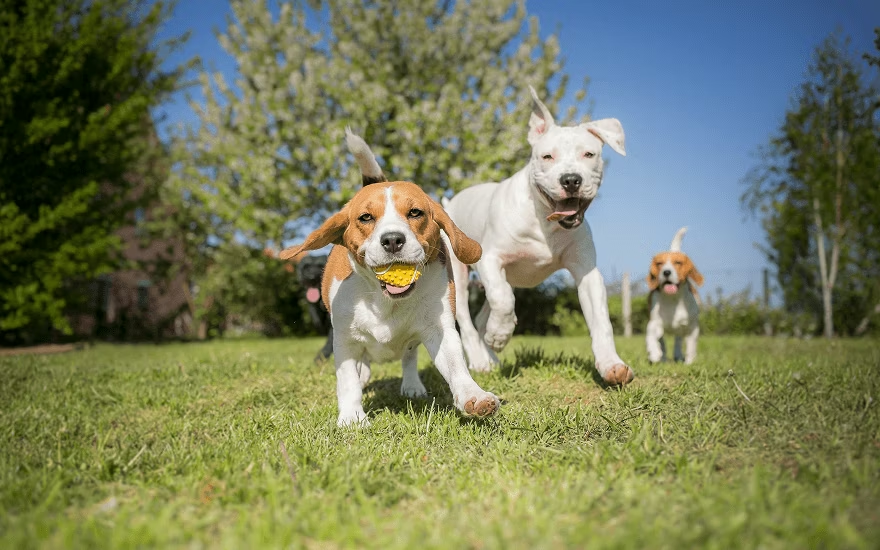
Understanding dog body language
Being able to read body language is one of the most valuable skills for navigating a trip to the dog park.
Signs of healthy play
Many playful interactions share common signals that indicate both dogs are comfortable.
Look for behaviors such as:
- Play bows (front legs lowered, rear raised)
- Loose, wiggly body movements
- Taking turns chasing
- Brief pauses before resuming play
These signals often show that the dogs are communicating well and enjoying the interaction.
Signs of stress or discomfort
Dogs may show subtle signs when they feel overwhelmed or uneasy.
Watch for behaviors such as:
- Tucked tail or stiff posture
- Lip licking or yawning outside of tiredness
- Avoiding eye contact or trying to leave
- Raised hackles or intense staring
If you notice these signals, it may be time to give your dog a break or guide them away from the situation.
Knowing when to step in
Playful scuffles often resolve quickly on their own. However, if play becomes too rough or one dog is clearly uncomfortable, it’s best to intervene early. Calling your dog away, redirecting their attention, or taking a short break outside the play area can help reset the situation.
It’s also important to realize that some days the dog park is just not meant to be. If the park is too crowded, the dogs too rowdy, or your pup just isn’t in the mood for appropriate play, the best thing to do is skip the park and opt for other forms of exercise.
Safety tips for a positive dog park experience
A few extra precautions can help ensure each visit stays fun and low stress.
Scan the park before entering
Take a moment outside the gate to observe the dogs already inside. Are they playing calmly, or does the environment feel chaotic? If the energy level doesn’t seem like a good match for your dog, it’s okay to come back later.
Be careful with high-value items
Items like favorite toys or treats can sometimes create competition among unfamiliar dogs. Unless the park is quiet or your dog is playing with a known buddy, it may be best to leave these items in your bag.
Stay calm if conflicts happen
Even with good dog park manners, conflicts can occur. If dogs begin to escalate their behavior or become too dominant, avoid grabbing collars or placing your hands between them. Instead, call your dog away, create space between the dogs, and allow the situation to settle. Many minor skirmishes resolve quickly once the dogs are separated.
Final thoughts
Practicing good dog park etiquette by following posted dog park rules, supervising dogs in a park setting, and recognizing body language, helps create an environment where dogs and people alike can relax and enjoy the moment. When every pet parent contributes to positive dog park manners, the result is a space where dogs can play, explore, and make new friends with confidence.