There are some dogs that can’t seem to resist a chance to dash through an open door. But escaping usually isn’t random. Understanding what motivates your dog and how their breed and genetics play a role in their Houdini behavior can help you to address it successfully.
Why do dogs escape?
There’s no single answer to the question “why do dogs escape?” Dogs may leave a yard or bolt through a door because they’re curious about something on the other side, acting on prey drive, frightened by a noise or event, or anxious about being left alone. Let’s take a closer look at some of the common motivators.
Fear can be a powerful trigger. Dogs with noise phobias may attempt to escape during thunderstorms, fireworks, or other scary events. Dogs experiencing separation anxiety may scratch, chew, or otherwise try to break through doors or other barriers in an effort to reunite with their family.
Boredom stemming from insufficient physical and mental activity may also contribute to escape attempts. Providing exercise, opportunities to sniff and explore, puzzle toys, training, and other forms of enrichment gives dogs constructive ways to use their energy and engage in natural behaviors. When their needs are met, dogs are less likely to take matters into their own paws.
For some dogs, prey drive can turn an open gate into an opportunity. If they spot a squirrel, rabbit, cat, or other animal (or car), they may instinctively chase it. That can spell trouble if they have a way to get out of the yard.
Reproductive motivation can also contribute to self-directed adventures in intact dogs. Male dogs who smell a female in heat can be very determined—and sneaky—when they are trying to get to a potential mate.

Do breed and personality affect escaping?
There are some dog breeds that are prone to escaping a house or fenced yard, including Siberian Huskies, Beagles, Dachshunds, and Jack Russell Terriers. While breed alone doesn’t predict whether an individual dog will become an escape artist, breed ancestry can provide context why a dog may be more likely to sneak out of the house or yard. For example, hounds and terriers bred for hunting are compelled to pursue scents and typically have high prey drive—both qualities that can make escape attempts more tempting.
Genetics can also contribute to relevant behavioral predispositions. Wisdom Panel’s behavior insights can shed light on your dog’s likelihood to sneak out of open doors, chase prey, constantly seek activity, or experience generalized anxiety or separation anxiety.
It’s also important to pay attention to your dog’s individual behavioral patterns. Repeatedly investigating fence lines, digging near barriers, watching gates, rushing doors, or becoming highly excited by animals or people outside can all be signs that your pup is contemplating an escape.
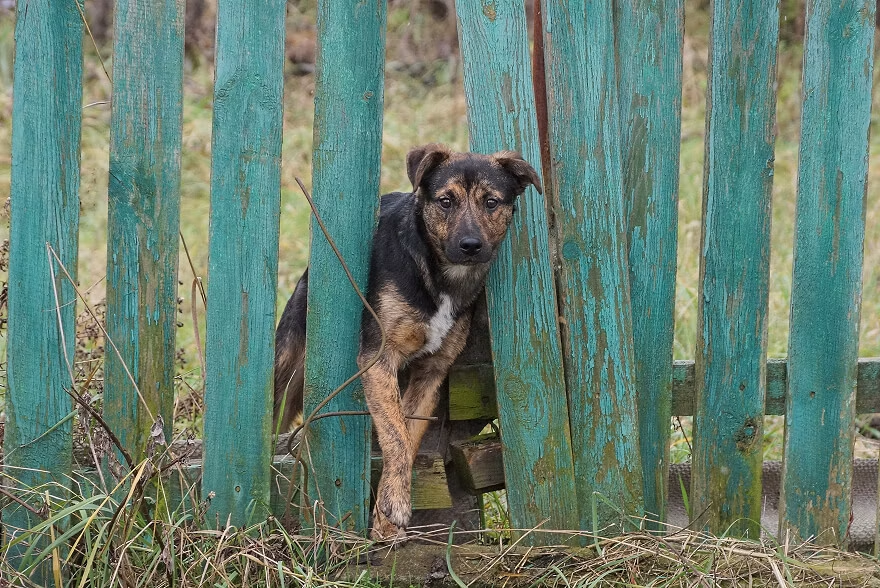
Assess your home and yard for escape routes
If you’re wondering how to keep dogs from escaping, start by looking at your property from your dog’s perspective.
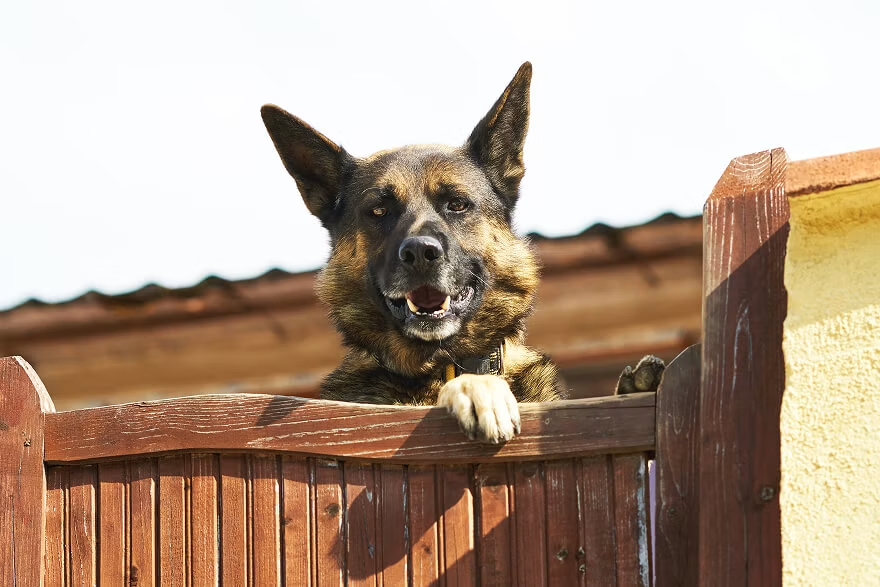
Walk the perimeter of your yard and check for gaps beneath fences, loose boards, unsecured gates, and objects such as furniture or stacked materials that could provide a boost over a barrier. For persistent diggers, extending a barrier below ground or blocking access to favorite digging locations may help.
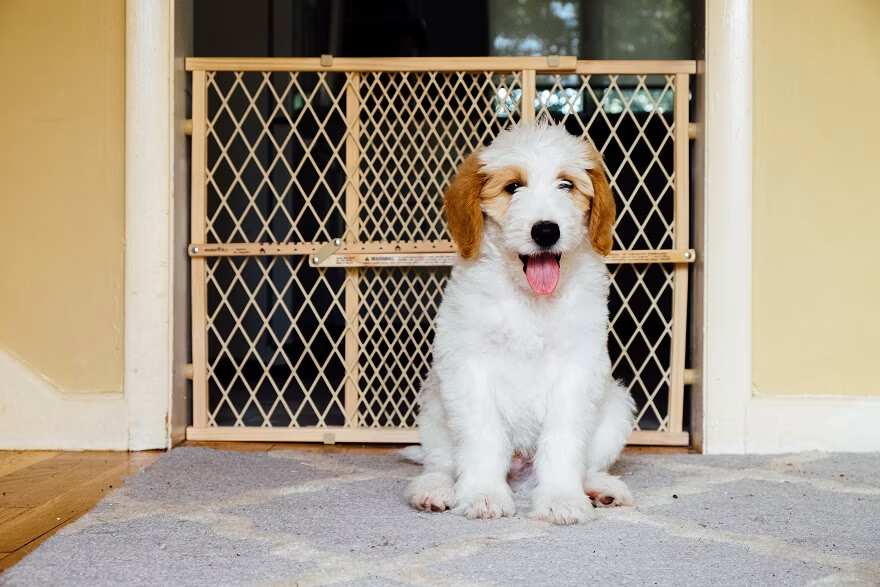
Next, look inside. Doors opened for visitors, deliveries, or groceries create opportunities for a dog who likes to bolt. Make sure everyone in the household knows your containment plan, and consider using baby gates, exercise pens, or another secondary barrier around high-traffic entrances.
Prepare in case your dog gets loose
Even a good prevention plan can fail, so make sure your dog can be identified if they escape.
Keep a secure collar or harness with current identification on your dog when appropriate. Some dogs can back out of standard collars or harnesses, so choose accessories appropriate for your dog’s body shape and escape tendencies. It’s also a good idea to get your dog microchipped. Once chipped, be sure to register the microchip and keep your phone number and other contact information current.
Crates can be a handy tool for some dogs, but aren’t appropriate for every escape-prone pup. A dog who panics when confined may injure themselves trying to escape, so talk with your veterinarian or a qualified behavior professional about the safest option for your situation.
Cameras or door alerts can also help you identify when and where escape attempts occur.
Use training to make escaping less likely
Management keeps your dog safe, but training can give them skills that reduce the likelihood of an escape attempt.
Practice recall (i.e., having your dog come to you when called) in safe, controlled environments and reward them generously when they follow the cue. A long line (a long leash) can allow you to practice this when your dog is farther away, but still keep them safe if the urge to run strikes.
Doorway training can help with dogs who bolt. Teach your dog to pause or move to a designated spot when a door opens. Once they can do this in a quiet situation, gradually add distractions to strengthen the skill.
If a particular trigger causes your dog to rush a door, fence, or gate, desensitization and counterconditioning may help change their emotional response. These techniques involve introducing a trigger gradually, at an intensity your dog can comfortably handle, while building positive associations. A certified trainer or veterinary behaviorist can help you create a training plan that makes sense for your dog.
Address the reason behind the escape
The most effective solution depends on what your dog gets out of escaping. For a dog who digs because they find that activity rewarding, consider creating an approved digging area and redirecting them there. For dogs motivated by activity or exploration, add more opportunities for sniffing, play, food puzzles, short training sessions, and age-appropriate exercise.
Fear- and anxiety-driven escapes need a different approach. If your dog panics during storms, fireworks, departures, or confinement, simply reinforcing the fence won’t address the underlying distress. Separation anxiety and confinement anxiety can look similar, and video of your dog while they’re home alone can help your veterinarian or behavior professional distinguish between possible causes.
Final thoughts
For a determined escape artist, there usually isn’t one magic fix. The strongest plan combines secure containment, training, physical activity, mental enrichment, and an understanding of what motivates your individual dog.
Talk with your veterinarian if the behavior appears suddenly, becomes more intense, seems connected to fear or anxiety, or puts your dog at significant risk. Changes in behavior can sometimes accompany physical, cognitive, or emotional health issues.
Once you understand why your dog is trying to escape, you can build a plan that meets their needs and keeps them safe at the same time.