Some dogs seem to have boundless energy. They’re always on the move or looking for their next activity. In some cases, settling is hard and games don’t keep them occupied for long. Meeting an energetic dog’s needs takes effort. The key is to find the right mix of physical activity, mental stimulation, training, and down time based on your dog’s unique needs.
Understanding active dogs
There is no set definition for an "active" dog, but breed, age, genetics, and overall health can give you some clues on what to expect in terms of activity level. A young Border Collie has very different exercise needs than an older Pug. And even two dogs of the same breed and age can differ significantly in how much activity they need to keep them fulfilled. Let’s take a look at why different factors can influence individual needs.
Breed ancestry plays an important role because generations of selective breeding have helped shape traits and behaviors suited to different jobs. Herding dogs, for example, were developed to control the movement of livestock, while many sporting breeds were bred to work alongside people in the field. Understanding your dog’s breed can shed light on their instincts and activity preferences. As a rule, breeds that were bred to work, like pointers, coonhounds, herding dogs, and working terriers are going to be more energetic than dogs bred for companionship.
But breed is only part of the picture. Behavior is influenced by both genetics and environment, which means individual dogs can behave quite differently even when they share ancestry. To give pet parents a better sense of their dog’s behavioral predispositions, Wisdom Panel developed 15+ behavior tests that identify genetic links to certain behaviors. These insights can help you understand how your dog might respond to their environment so you can tailor their care and training accordingly.
And of course, a dog’s life stage impacts their activity level. Young puppies are active for short bursts but sleep for much of the day. As they grow up, their activity needs increase and often stabilize in adulthood before decreasing as they reach their senior years. These changes don’t happen on a set schedule, however. Paying attention to your dog’s signals is important for determining their specific needs.
Exercise, mental stimulation, and daily routines
Daily walks are a great foundation, but active dogs may enjoy a wider variety of activities. Running, hiking, swimming, fetch, agility, and other dog sports can provide different physical challenges and give dogs opportunities to explore their environment.
There’s no universal formula for how much exercise a dog needs. Puppies generally benefit from shorter periods of age-appropriate activity and plenty of rest rather than prolonged, repetitive, high-impact exercise. Healthy adult dogs may be able to participate in more sustained activities, depending on their conditioning and health. And senior dogs still benefit from regular movement, though activities may need to be adapted as mobility and stamina change. For general guidelines on exercise needs for popular breeds, check out this blog post.
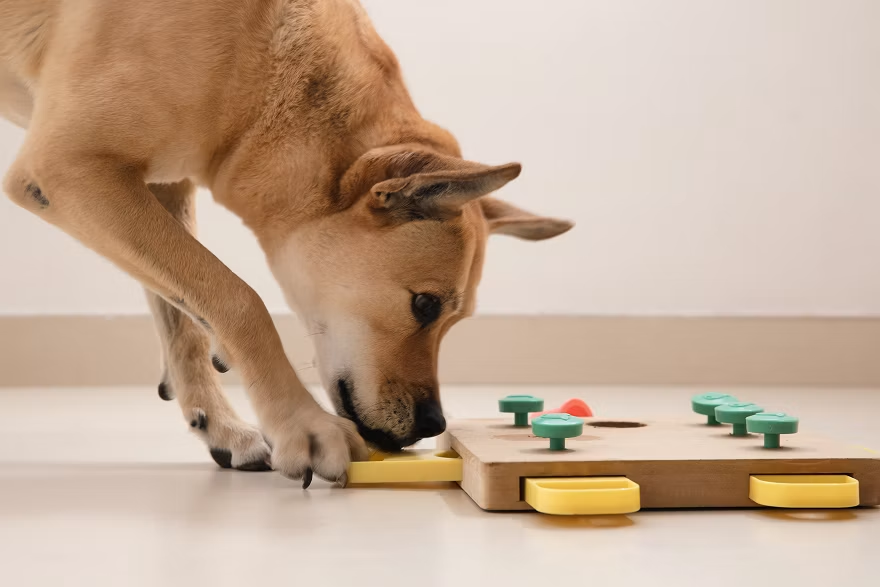
Physical exercise is important, but it’s only part of the equation. Mental enrichment gives dogs opportunities to problem-solve and engage natural behaviors. Try rotating activities such as:
- Food puzzles and interactive feeders
- Scent games and nosework
- Short training sessions to teach new cues or tricks
- Opportunities to socialize with people or other dogs (if your dog enjoys that)
A balanced routine should include exercise, enrichment, training, socialization, and opportunities to settle and sleep.
Health, nutrition, and preventive care for active dogs
An active lifestyle can affect a dog’s nutritional needs, but high energy doesn’t automatically mean they need a performance diet or supplements. Calorie requirements vary based on factors including body size, age, activity level, reproductive status, and health.
As a starting point, feed your dog a complete and balanced diet appropriate for their life stage, and use their body condition and your veterinarian’s recommendations to determine whether portions need adjusting as activity changes. Dogs participating in especially strenuous or sustained activities may have different nutritional requirements, so discuss their diet with your veterinarian. Likewise, ask before adding supplements marketed for joints or athletic performance.
High-energy dogs can also face activity-related health risks. Strains, sprains, and other orthopedic problems can occur, particularly when dogs take on more strenuous activity than they’re conditioned for. To reduce risk, build up the duration and intensity of new activities gradually, and watch for limping, stiffness, reluctance to exercise, or other changes in movement. It’s also important to keep your pup at a healthy weight to minimize joint stress.
Exercising in hot weather requires additional caution. Dogs can develop heat-related illness during exercise, particularly in arid or humid conditions. Schedule strenuous activity for cooler parts of the day, provide access to water and shade, and pay attention to signs that your dog needs a break.
Regular veterinary wellness exams can help you determine whether your dog’s weight, joints, heart, and overall health are compatible with their favorite activities.
Training, safety, and lifestyle considerations
Training gives active dogs a constructive way to use both their bodies and brains. Skills such as coming when called, waiting, leaving tempting objects alone, and calmly checking in with you can also make outdoor adventures safer. Pro tip: exercising your high energy dog before training sessions will help them focus on the session. Similarly, allowing your dog to burn off energy before putting them in the crate to rest or sending them to their bed to relax will be more effective than trying to teach an amped up dog to settle.
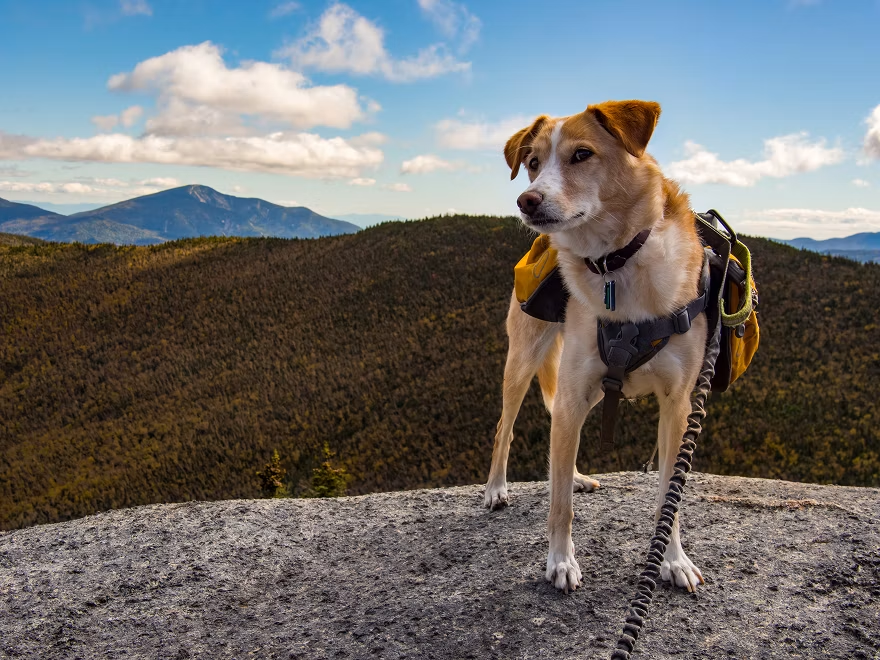
Before allowing a dog off leash, consider more than their energy level or enthusiasm. Your dog’s ability to reliably come when called, the environment, local leash laws, and your dog’s response to wildlife, unfamiliar people, and other dogs all matter. Dogs with a strong prey drive, for example, may need a leash or long line in situations where the urge to chase could override their training.
Choose leashes, harnesses, and other gear that are appropriate for the activity, and adjust your plans for weather and terrain. For longer adventures, carry water and supplies appropriate for your route and periodically stop and give your pup a chance to rest.
At home, provide a comfortable, quiet place where your dog can relax. This can help create a clear distinction between playtime and downtime. For an energetic pup, the ability to settle is a critical skill for their long-term health.
Final thoughts
An active dog doesn’t simply need “more exercise.” They need the right combination of physical activity, mental challenge, training, preventive care, and rest based on their age, health, genetics, and individual personality. Training and rest are much more easily achieved if the dog’s physical needs are met.
Understanding those individual differences can make it easier to build a lifestyle that works for both of you. Wisdom Panel’s behavior insights identify genetic predispositions for a growing range of behaviors. These results don’t determine how a dog will behave, but knowing about innate tendencies can give you additional intel as you plan your dog’s lifelong care.