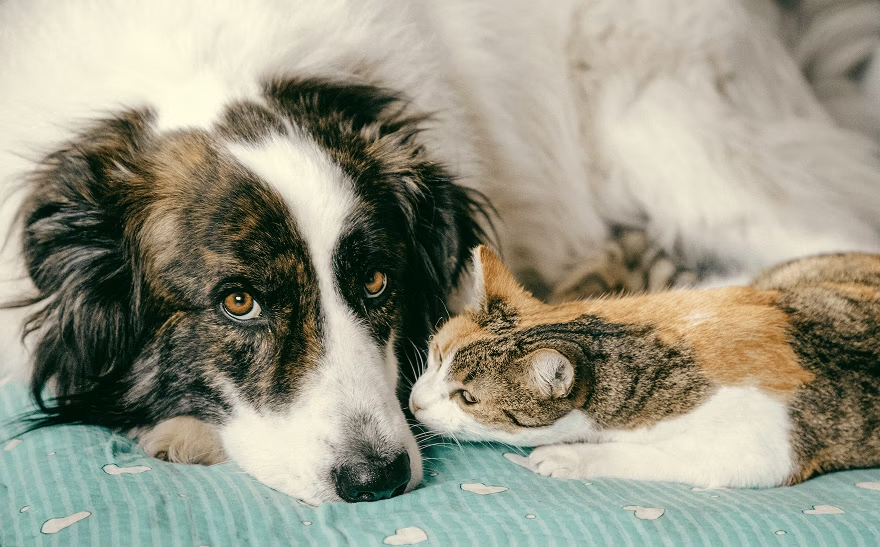
Bringing a dog into a home that already has a cat—or introducing a cat to a previously dog-only household—can feel daunting. Will they ignore each other? Become fast friends? Or turn your once-peaceful living room into a never-ending turf war? The good news is that many dogs and cats can learn to coexist happily, especially when breed tendencies, individual temperament, and thoughtful introductions are taken into account.
Understanding dog and cat behavior
Before diving into specific dog breeds that are more likely to be cat-friendly, it helps to understand how dogs and cats handle family life—and where misunderstandings tend to happen.
Dogs are generally social and enjoy being part of a pack. They’re good at reading body language, respond to cues, and often engage with others, whether that’s people, other dogs, or even cats. Cats, on the other hand, tend to be more independent. They like to be in control of their own space and prefer interactions on their own terms.
These differences don’t mean dogs and cats are incompatible. They simply mean that early introductions need to account for different comfort levels and socialization styles.
Common misconceptions about dogs and cats
One common myth is that dogs and cats naturally dislike each other. In reality, compatibility often has more to do with breed tendencies, impulse control, and past experiences.
Another misconception is that size determines success. While smaller dogs may seem less intimidating, large dogs with calm temperaments and low prey drive can be excellent companions for cats. Likewise, an energetic small dog with a strong chase instinct may struggle more than expected.
Signs of stress to watch for
In order to create an environment where both dogs and cats can thrive, it’s important to recognize stress signals and respond to them quickly.
In dogs, stress may show up as:
- Staring or stalking behavior
- Whining, pacing, or excessive panting
- Licking their lips or yawning
- Ignoring cues or becoming overly excitable around the cat
In cats, stress often looks like:
- Hiding or avoiding shared spaces
- Hissing, growling, or swatting
- Changes in appetite or litter box habits
Catching these signs early allows you to slow things down and closely manage dog and cat interactions before tension escalates.

Dog breeds that are often good with cats
While every dog is an individual, certain breeds tend to have traits that make living with cats easier. These dogs are often more adaptable, people-oriented, or less driven to chase smaller animals.
Labrador Retriever
Labrador Retrievers are known for their friendly, easygoing nature. Many Labs are more interested in people and playtime than in chasing household cats. Their trainability also makes it easier to reinforce calm behavior and respectful boundaries.
Golden Retriever
Golden Retrievers share many of the same cat-friendly traits as Labradors, with an added dose of patience. Their gentle and social nature can make them a good fit for homes with confident or curious cats.
Cavalier King Charles Spaniel
This small breed from the sporting group is known for being affectionate and adaptable. Cavaliers often enjoy the presence of other animals and are less likely to see cats as something to chase.
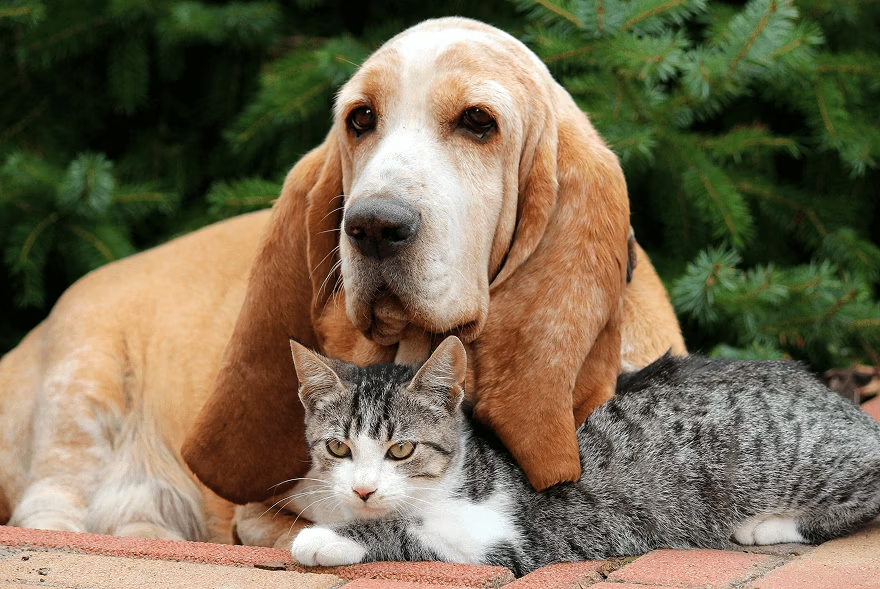
Basset Hound
Basset Hounds may be stubborn, but they’re also famously laid-back. Their slower pace and mellow attitude can be reassuring for cats, especially those that prefer a quieter household.
Pug
Pugs are people-oriented companions who usually want to be wherever the action is—preferably on the couch. Many are content to coexist peacefully with cats rather than engage in rough play.
Mixed-breed dogs
Don’t forget about our mixed-breed friends! Many dogs of mixed ancestry are excellent with cats. Because they don’t follow a single breed profile, their individual temperament, energy level, and socialization history often matter more than their genetic background alone. Tools like dog DNA testing can help shed light on breed influences that may affect behavior, including prey drive and sociability.
Dog breeds that may not be a good fit for cats
While some breeds tend to co-exist more easily with cats, other breeds may have a harder time. This applies in particular to breeds developed for chasing, catching, or controlling the movement of other animals. This doesn’t mean these dogs are incapable of adapting to life with a cat, but it does mean you may need to use extra caution or management techniques to keep the household happy and safe for all.
Dogs with a higher prey drive
Prey drive refers to a dog’s instinct to chase, stalk, catch, or even kill smaller, fast-moving animals. In some dogs, this instinct can be triggered by a cat running across the room, jumping off furniture, or darting through a doorway.
Breeds often associated with higher prey drive include many terriers and sighthounds.
- Terriers were historically bred to hunt and dispatch vermin. As a result, many terrier breeds are quick to react to small animals and movement. Even well-trained terriers may find it difficult to ignore a cat that behaves unpredictably.
- Sighthounds, such as Greyhounds or Whippets, were bred to visually spot and chase prey at high speeds. Their chase response can be nearly reflexive, making fast-moving cats especially tempting, even in otherwise gentle dogs.
While individual dogs will vary, households with cats often find these instincts challenging to manage long-term.
Herding breeds
Dogs in the herding group present a different kind of challenge. Rather than wanting to catch prey, herding breeds are wired to control movement. This can lead to behaviors such as stalking, chasing, circling, or nipping—all of which can be stressful for cats.
Common concerns with herding breeds include:
- Intense focus on moving animals
- Difficulty disengaging once aroused
- A tendency to “manage” cats by blocking paths or chasing
For confident, dog-savvy cats, this behavior may be tolerated or even ignored. For more timid cats, however, constant monitoring or herding can create stress and lead to behavior issues.

Tips for introducing dogs and cats
Even the most cat-friendly dog needs a thoughtful introduction. Rushing the process is one of the most common reasons early interactions go sideways.
Start with separation
Before face-to-face meetings, give each pet time to adjust to the other’s scent. Swapping bedding or allowing them to sniff under a door can help make the new presence feel familiar rather than threatening.
Use controlled, short interactions
Early meetings should be brief and supervised. Keep dogs on a leash and allow cats access to escape routes, such as high perches or separate rooms. Reward calm behavior with treats and praise.
Let the cat set the pace
Cats generally feel safer when they’re in control of the situation. Avoid forcing proximity. Over time, many cats become more curious and confident once they realize the dog isn’t a threat.
Build positive associations
Pair interactions with positive experiences, such as treats, meals, or playtime. This helps both pets associate each other with good things rather than stress.
Avoid rewarding unwanted behaviors
While treats can be helpful when used properly, avoiding using them as a distraction when the interaction takes a negative turn. Doing so can reinforce the behaviors that started the skirmish in the first place.
Seek help from experts
If challenges arise and you’re not sure how to handle them, talk with a veterinary behaviorist. It’s better to get expert advice upfront than try to muddle through the situation. The longer unwanted behaviors continue, the harder it can be to set a new course.
Manage interactions with kids
Adding kids into the mix can add another layer of complexity. An eager child may handle the pets too much or in unpredictable ways, which can add stress to the dog or cat. Kids are also more susceptible to injury if an altercation between the pets occurs.
Be patient — and commit to the long haul
Some dogs and cats coexist peacefully within days, while others take weeks or months to fully relax. Gradual progress is normal, and setbacks don’t mean failure. Even when you’ve achieved successful co-habitation, keep in mind that circumstances can change. As pets age, their needs, moods, and interests can change. Proactive management throughout their lives and adjustments that account for their evolving needs will help ensure it remains a happy household for all.
Factors that influence dog-cat compatibility
Breed tendencies matter, but they’re only part of the equation. Several other factors play a major role in whether dogs and cats can live together successfully.
Life stage
Puppies and kittens often adapt more easily because they’re still learning how the world works. Adult dogs and cats can also learn to coexist, but introductions may take longer—especially if one pet has had negative past experiences.
Senior pets may prefer calmer companions and predictable routines, making low-energy matches particularly important.
Individual temperament
Two dogs of the same breed can behave very differently around cats. Some are naturally curious and gentle, while others may struggle with impulse control. Similarly, confident, well-socialized cats tend to adapt more easily than fearful or highly territorial ones.
Training and socialization
Dogs with strong basic training skills—such as responding reliably to cues and settling calmly—are often easier to integrate into cat households. Early exposure to cats, when done safely, can also reduce reactivity later in life.
Environment
The physical setup of your home matters a lot. Providing vertical space for cats, separate feeding areas, and quiet retreat zones can dramatically reduce tension in multi-pet households.
Final thoughts
Living with both dogs and cats requires patience, awareness, and a willingness to adapt. Many households find that once routines are established, dogs and cats settle into a comfortable rhythm, whether that means playful companionship or peaceful coexistence.