Cats are often celebrated for their independence, but that reputation doesn’t always paint an accurate picture. In fact, there are many cat breeds that can be as outgoing, playful, and people-focused as dogs. If you’re someone that appreciates all that cats have to offer and loves dogs, there are several breeds that just might be the perfect fit for your lifestyle.
What makes a cat “dog-like”?
There are several characteristics that are often associated with dogs. When these behaviors and personality traits show up in our feline friends, they are often thought of as dog-like in nature. Examples include:
They enjoy interactive play
Fetching toys, chasing balls, and participating in daily play sessions are hallmarks of dogs but also apply to some cats.
They follow their people
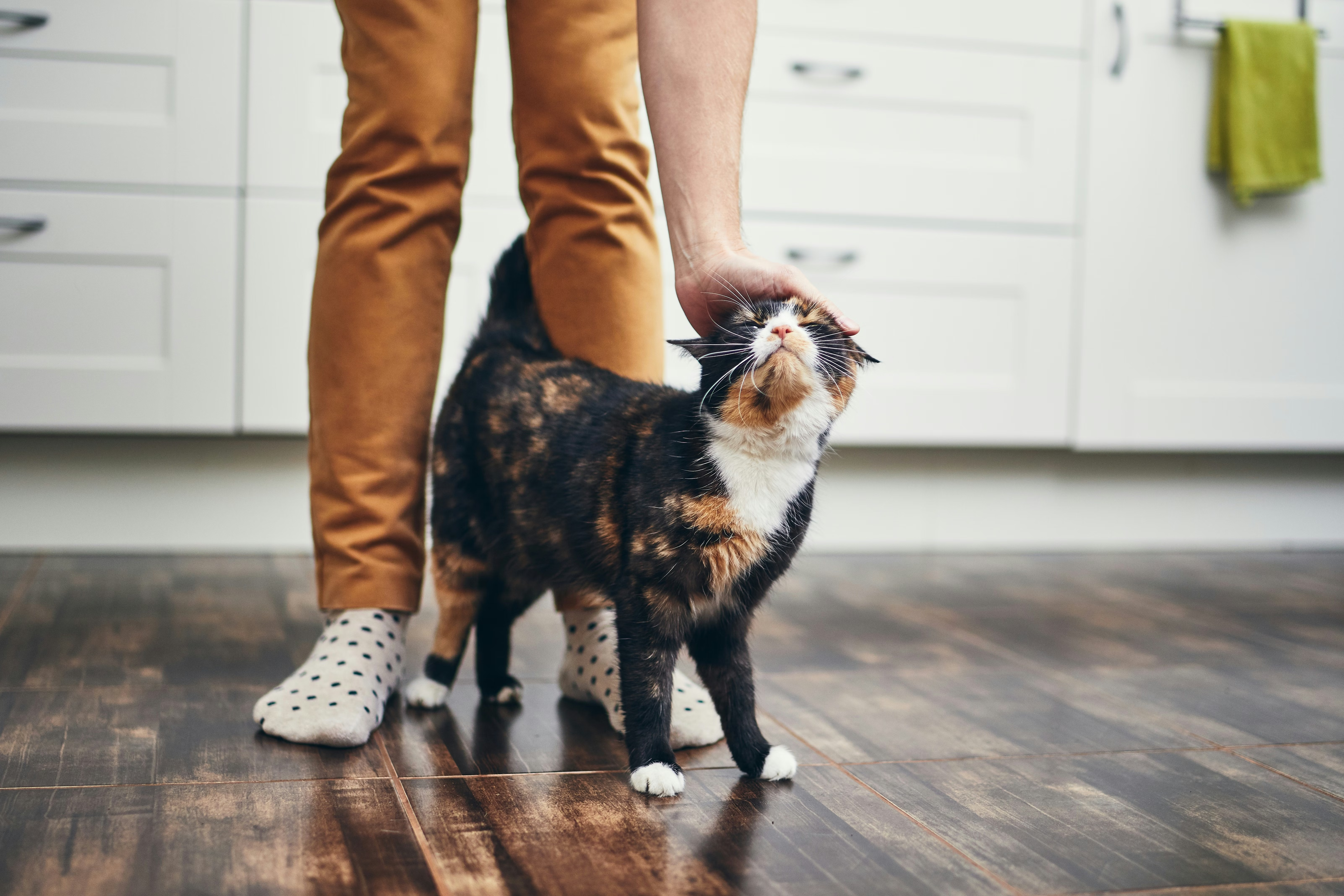
Some cat breeds are known for being affectionate and actively want to be part of your routine. They may even keep you company while you cook, work, or relax.
They’re highly trainable
Just like dogs, food-motivated and intelligent cat breeds respond well to clicker training and can learn cues like “come,” “sit,” or “high five.”
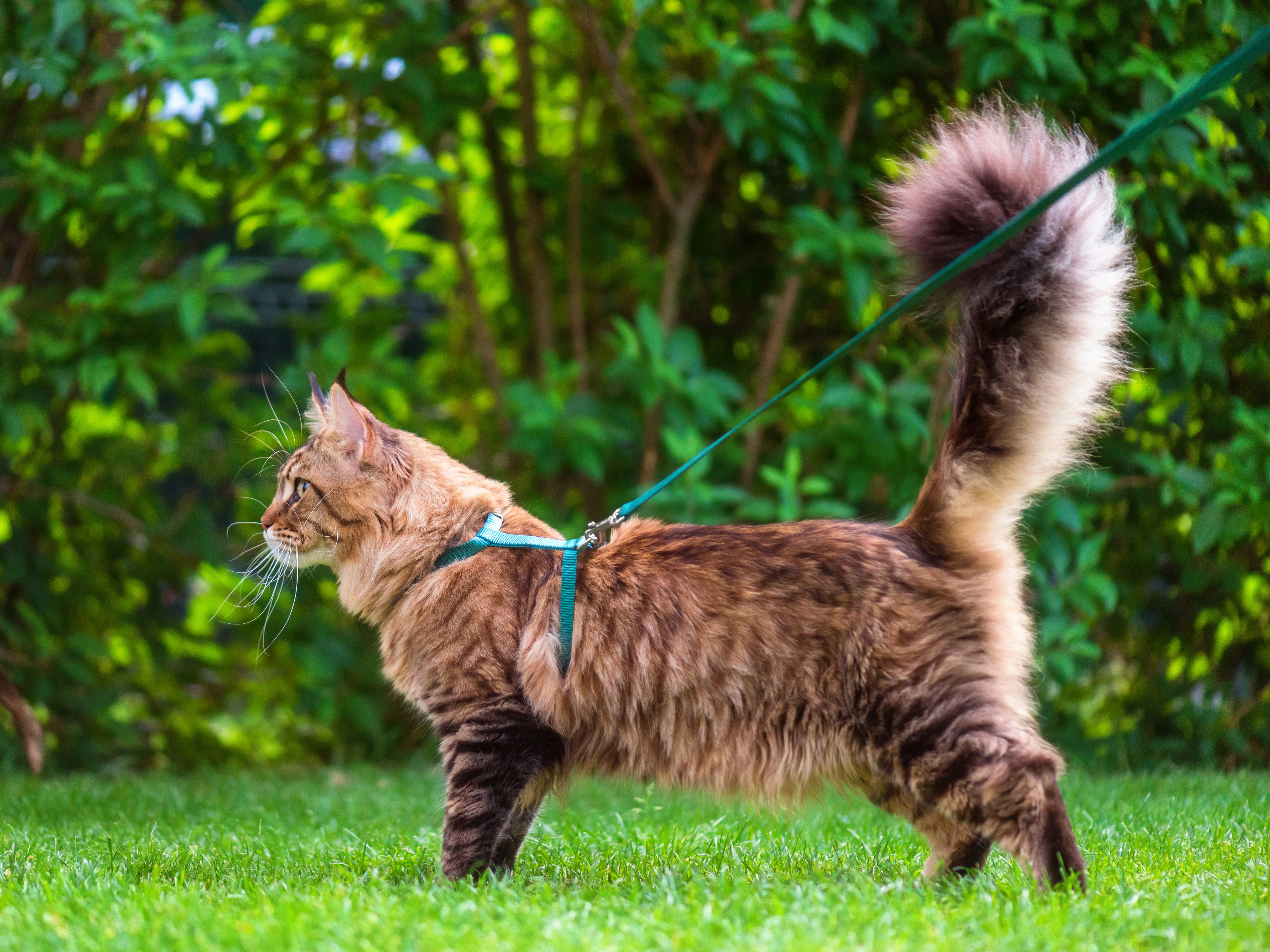
They enjoy harness walks
Some cats are more confident exploring the outdoors and adapt well to supervised walks when properly trained.
They’re social butterflies
Outgoing and people-focused, these cats tend to handle guests and busy households with ease.
Why some cats show dog-like traits (and how genetics play a role)
A cat’s personality develops through a mix of genetics, early life experiences, and environment. While DNA alone doesn’t determine behavior, selectively breeding for certain traits can produce bold, sociable, or highly interactive cats—the kind that remind people of dogs.
Early socialization also plays a major role. Kittens exposed to positive human interaction during their critical developmental window are more likely to grow into confident, human-focused adults. And, of course, every individual cat has their own personality regardless of breed.
Mixed-breed cats can absolutely exhibit dog-like traits depending on the genes they inherit as well, because genetic variation contributes to qualities like sociability, intelligence, and activity levels. DNA tests like Wisdom Panel’s Complete for Cats can help pet parents learn more about their cat’s ancestry and gain an understanding of why their feline acts the way they do.
More dog-like behaviors you might notice
Beyond the more familiar list described earlier, many dog-like cats also display other surprisingly “canine” behaviors:
- Greeting you at the door as soon as you arrive home.
- Showing protective tendencies, like watching over the household or alerting you to noises.
- Learning household routines, including waiting by the food bowl at mealtimes or anticipating play sessions.
- Sleeping next to their humans, often preferring physical closeness.
- Enjoying playing with water or even swimming
Top cat breeds that act like dogs
While any cat can show dog-like tendencies, these breeds are especially known for them.
Maine Coon
Often called gentle giants, Maine Coons are friendly, loyal, and deeply connected to their families. They tend to follow their people, enjoy interactive play, and often pick up basic training quickly. Their size and affectionate nature make them one of the most dog-like cat breeds.
Fun fact: 32% of the cats tested by Wisdom Panel have Maine Coon in their DNA!
Sphynx
Extremely affectionate and people-focused, Sphynx tend to stay close to their humans and seek constant interaction. They’re playful, curious, and highly social—traits that make them one of the most distinctly dog-like cat breeds.
Bengal
Bengals are energetic, intelligent, and highly trainable. They thrive on activity and mental enrichment, often enjoying fetch and harness walks. Their curiosity and boldness give them a distinctly dog-like presence.
Savannah
Active and athletic, Savannahs are confident cats that enjoy climbing, exploring, and learning. Many take well to leash training and benefit from structured play and adventure-style enrichment.
Siamese
Siamese cats are famously social and vocal. They bond closely with their humans, often following them throughout the home and “chatting” along the way. Their outgoing personality and love of attention make them feel very canine to many pet parents.
Abyssinian
Playful, energetic, and always on the move, Abyssinians love interaction and enrichment. They are quick learners and thrive on games that challenge their minds and bodies.
Norwegian Forest Cat
Friendly, confident, and people-oriented, Norwegian Forest Cats often follow their humans around and enjoy being part of household activity. They’re a large cat breed that’s playful, adaptable, and bonds strongly with families—making them a great fit for pet parents who want a loyal, dog-like companion.
Japanese Bobtail
Energetic and social, Japanese Bobtails love interactive play and are especially known for enjoying fetch. They bond closely with their humans, learn tricks easily, and thrive on engagement—giving them a cheerful, dog-like presence in the home.
Ragdoll
If you like lap dogs that like to play, you’ll probably love a Ragdoll. These relaxed, family-friendly cats are affectionate, often greeting their humans at the door. They love to cuddle and are known to enjoy a game of fetch.
American Bobtail
The American Bobtail is highly interactive and engaged, often learning tricks, retrieving toys, and adapting well to travel. Their playful, loyal nature makes them especially appealing to dog lovers.
Choosing a dog-like cat that fits your lifestyle
Before considering a cat with dog-like qualities, consider how their temperament aligns with your daily life.
Think about energy level
Some breeds—like Bengals or Savannahs—are extremely active and need frequent enrichment. Others are more laid-back but still want closeness and engagement.
Consider vocalization
Siamese and Abyssinian cats communicate often and loudly. If you prefer a quieter home, a highly vocal breed may feel overwhelming.
Assess your available time
Dog-like cats crave interaction. If you’re frequently away, consider whether you can provide enrichment or if your cat may enjoy having another pet companion.
Think about household dynamics
Families with children or dogs often do well with breeds that are naturally social and adaptable.
Caring for a cat with dog-like qualities
Because these cats are more interactive and engaged, they tend to benefit from additional enrichment and routine.
Play and exercise
Regular play sessions help channel their energy and prevent boredom. Rotate toys and provide climbing spaces or scratching posts.
Mental enrichment
Puzzle toys, treat-dispensing feeders, clicker training, and even basic agility courses can help keep them stimulated.
Social time
These cats often prefer being with their people. Spend quality time together through play, grooming, or just relaxing side by side.
Consider harness training
If your cat is confident and curious, supervised outdoor walks can provide excellent enrichment—but go slowly and use positive reinforcement.
Ready to learn more about your cat?
If your cat acts more like a dog, their behavior may reflect a fascinating mix of genetics, breed tendencies, and individual personality. A Wisdom Panel™ cat DNA test can reveal their breed ancestry and offer insights into the traits that make them uniquely who they are.
Do you have a dog-like cat?
Take an in-depth look at their DNA and discover what makes them so wonderfully one-of-a-kind.
Shop Now