When people talk about cat-like dogs, they’re usually describing a familiar set of behaviors more commonly aligned with our feline friends: independence, quiet confidence, and affection that shows up on their own terms. These traits stand in contrast with the social, eager-to-please personalities often associated with dogs.
So why do some dogs act a lot like cats? Breed history, genetics, individual personality, and environment all play a role in shaping how dogs interact with the world. Let’s take a closer look at cat-like dog breeds.
What does “cat-like” mean in dogs?
Cat-like isn’t an official term, but rather a useful descriptor for dogs that don’t always fit the classic, tail-wagging, people-focused mold. Common behaviors people describe as cat-like include:
- Independent decision-making. These dogs are more likely to assess a situation for themselves rather than look to a human for direction.
- Reserved affection. They form strong bonds, but they don’t always express love through constant physical contact.
- Lower need for validation. Praise is appreciated, but not always required for motivation.
- Self-grooming or cleanliness. Some breeds are more meticulous about keeping themselves clean.
- Comfort being alone. Cat-like dogs often tolerate alone time better than highly social breeds.
While this list is a helpful jumping off point, it’s important to remember that these traits exist on a spectrum. A dog doesn’t need to check every box to be considered cat-like, and many dogs show a mix of independent and people-oriented behaviors.
Why some dog breeds are more independent
Independence in dogs didn’t happen by accident. This trait is tied to selective breeding based on the job a dog breed was developed to do.
Historical roles and working styles
Many cat-like dog breeds were bred to work with minimal human input. Sighthounds hunted by spotting and pursuing prey on their own. Guard dogs watch over property without constant direction. And livestock guardians spend most of their time with their herds or flocks. In these roles, quick thinking and self-reliance matter more than responsiveness to commands. This contrasts with herding or sporting breeds, which were bred specifically to respond closely to human cues and cooperate in real time.
The role of genetics—and environment
Breed can influence behavioral tendencies, including independence, sociability, and responsiveness to training. At the same time, environment, early socialization, and life experiences matter enormously. Two dogs of the same breed can behave very differently depending on how and where they’re raised.
Understanding both nature and nurture helps explain why some dogs seem more cat-like than others—and why mixed-breed dogs may also show these traits.
Dog breeds often described as “cat-like”
While no dog behaves exactly like a cat, certain breeds are commonly associated with these independent, reserved characteristics.
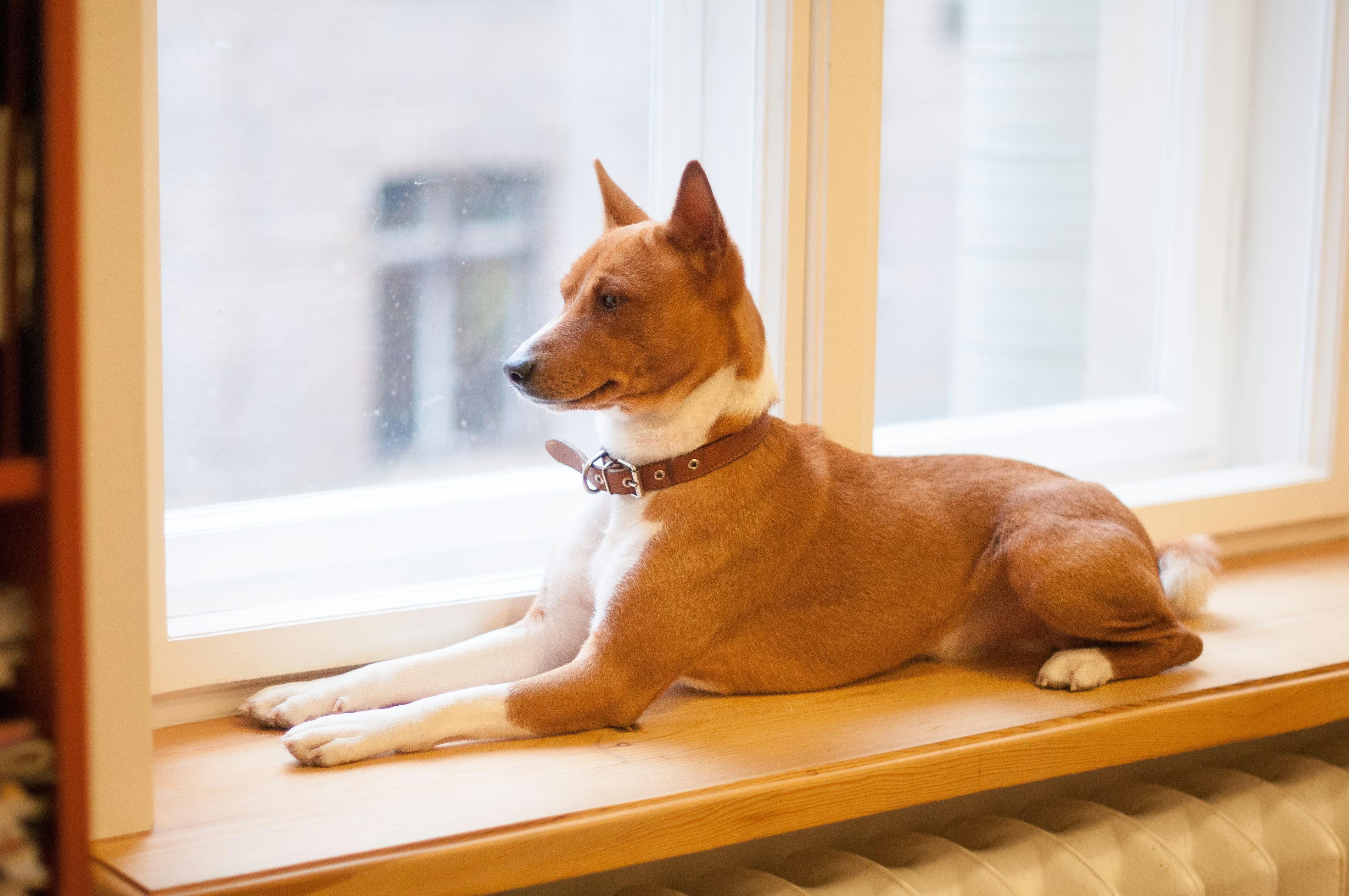
Basenji
Often called the “barkless dog” since they yodel instead of bark, the Basenji is a classic example of a cat-like breed. They are known for their independence, strong-willed nature, and fastidious self-grooming habits. They’re intelligent and curious, but not always eager to follow commands.
Shiba Inu
Shiba Inus are confident, alert, and bold. They tend to be loyal to their people but aloof with strangers, choosing when and how to engage. Their independence can make training a challenge, but it’s also part of what gives them their distinctive personality.
Greyhound
Despite their athletic abilities, Greyhounds are often quiet, observant, and surprisingly low-energy at home. They enjoy affection but typically seek it out on their own schedule. Many Greyhound owners describe them as gentle companions who are content to lounge nearby rather than demand constant attention.
Afghan Hound
Elegant and dignified, Afghan Hounds were bred to hunt independently in harsh terrain. That history shows up in their temperament today. They’re intelligent and sensitive, but not especially motivated by praise or repetition. Afghan Hounds often bond deeply with their families while maintaining a strong sense of autonomy.
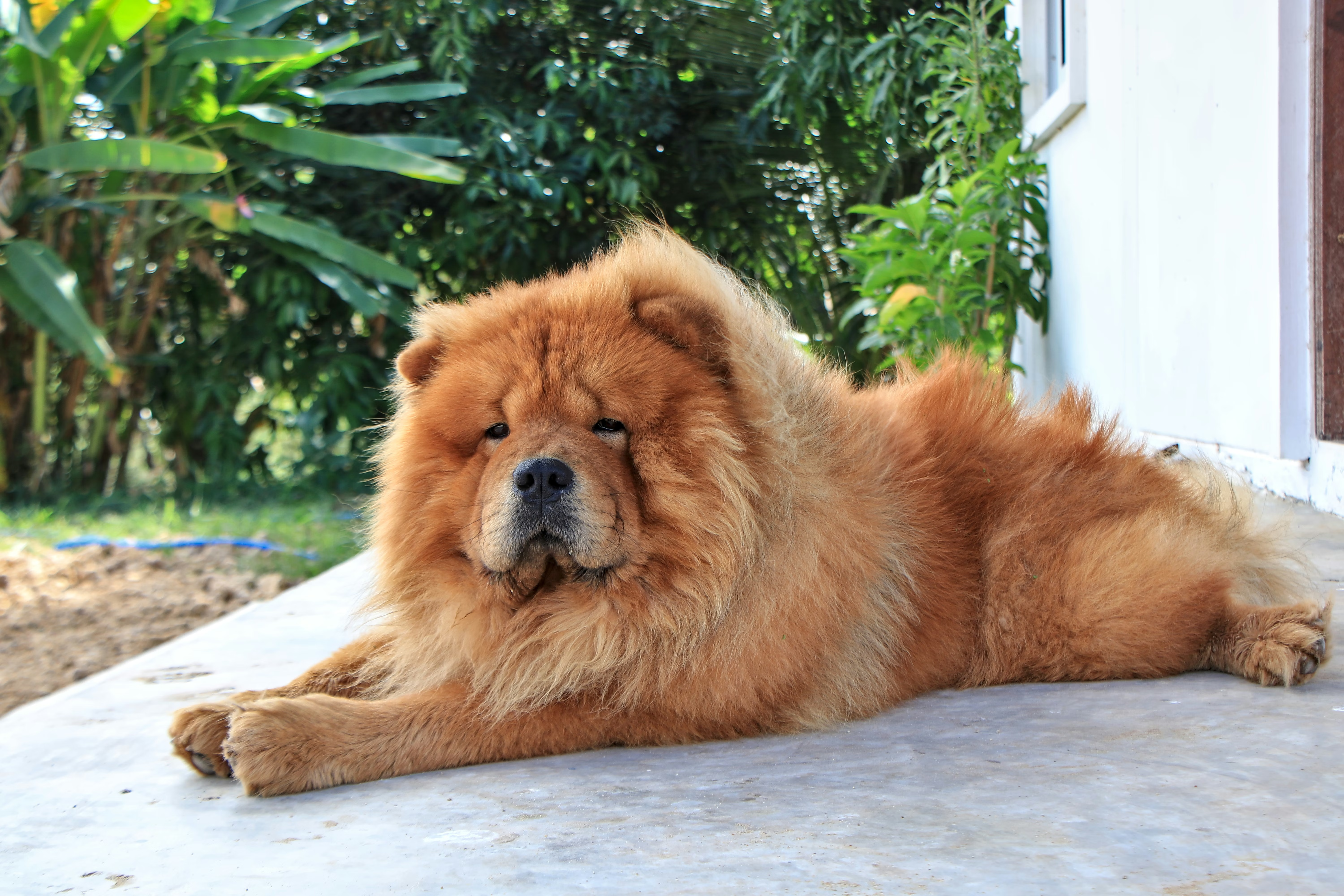
Chow Chow
Chow Chows are known for their strong personal boundaries and reserved demeanor. They tend to form close attachments to a few chosen people rather than seeking affection from everyone they meet. Calm and self-assured, they often prefer low-key companionship over exuberant interaction.
Chihuahua
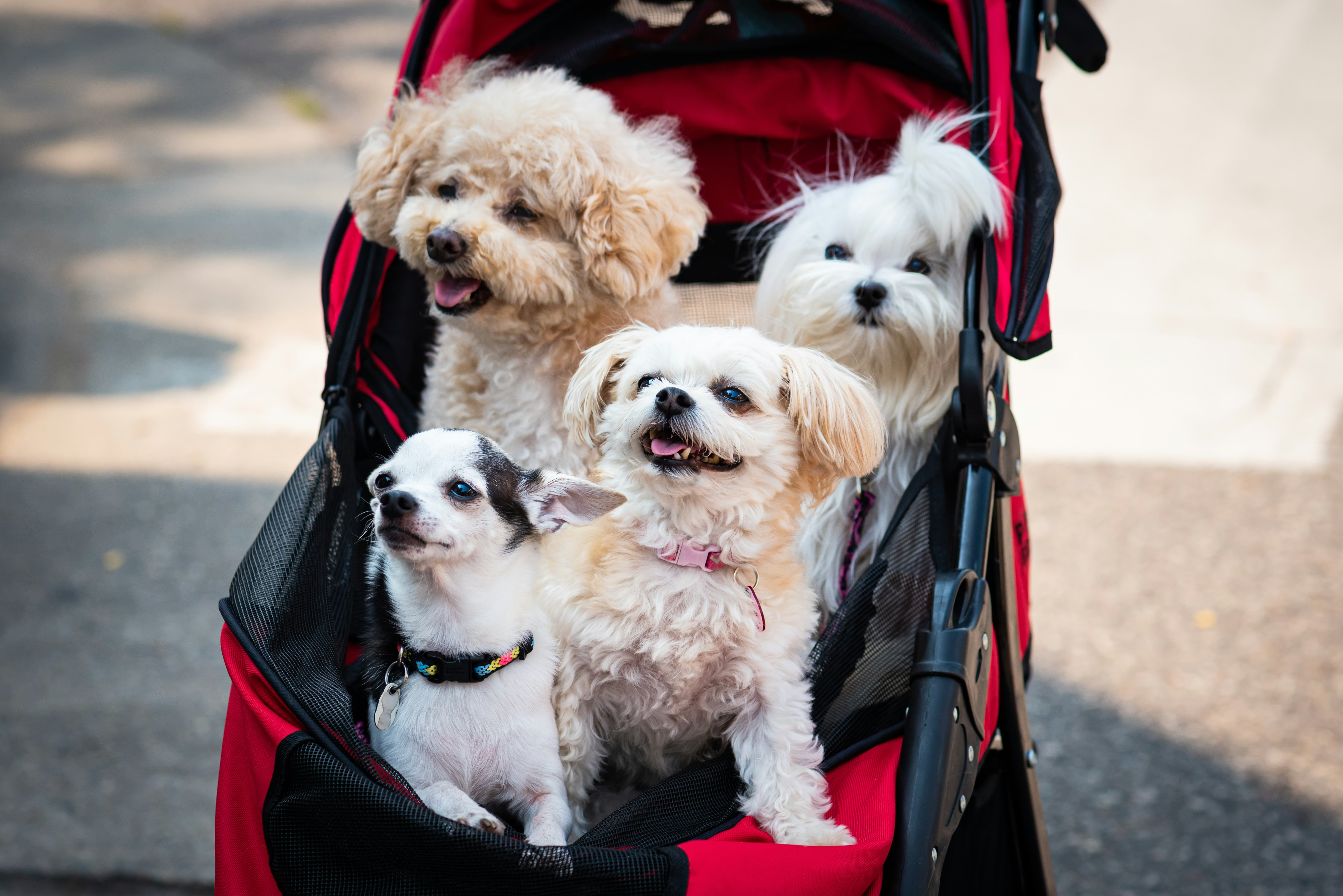
Chihuahuas tend to bond very closely with one or two people, show affection selectively, and enjoy perching in cozy spots where they can observe their surroundings. These confident, feisty pups are also a great fit for apartment living.
Xoloitzcuintli
The Xoloitzcuintli is known for their calm, thoughtful demeanor. Xolos are typically reserved with strangers but deeply loyal to their inner circle, often expressing affection through quiet companionship rather than overt displays. Their low-maintenance grooming needs and strong sense of independence add to their cat-like reputation.
Whippet
Closely related to Greyhounds, Whippets share many of the same cat-like traits. They’re gentle, quiet, and content to relax for long stretches, often seeking soft, sunny spots to nap.
Many mixed-breed dogs show these same behaviors, even without a dominant “cat-like” breed in their background. Genetic combinations can bring out these traits in unexpected ways.
Cat-like doesn’t mean unaffectionate
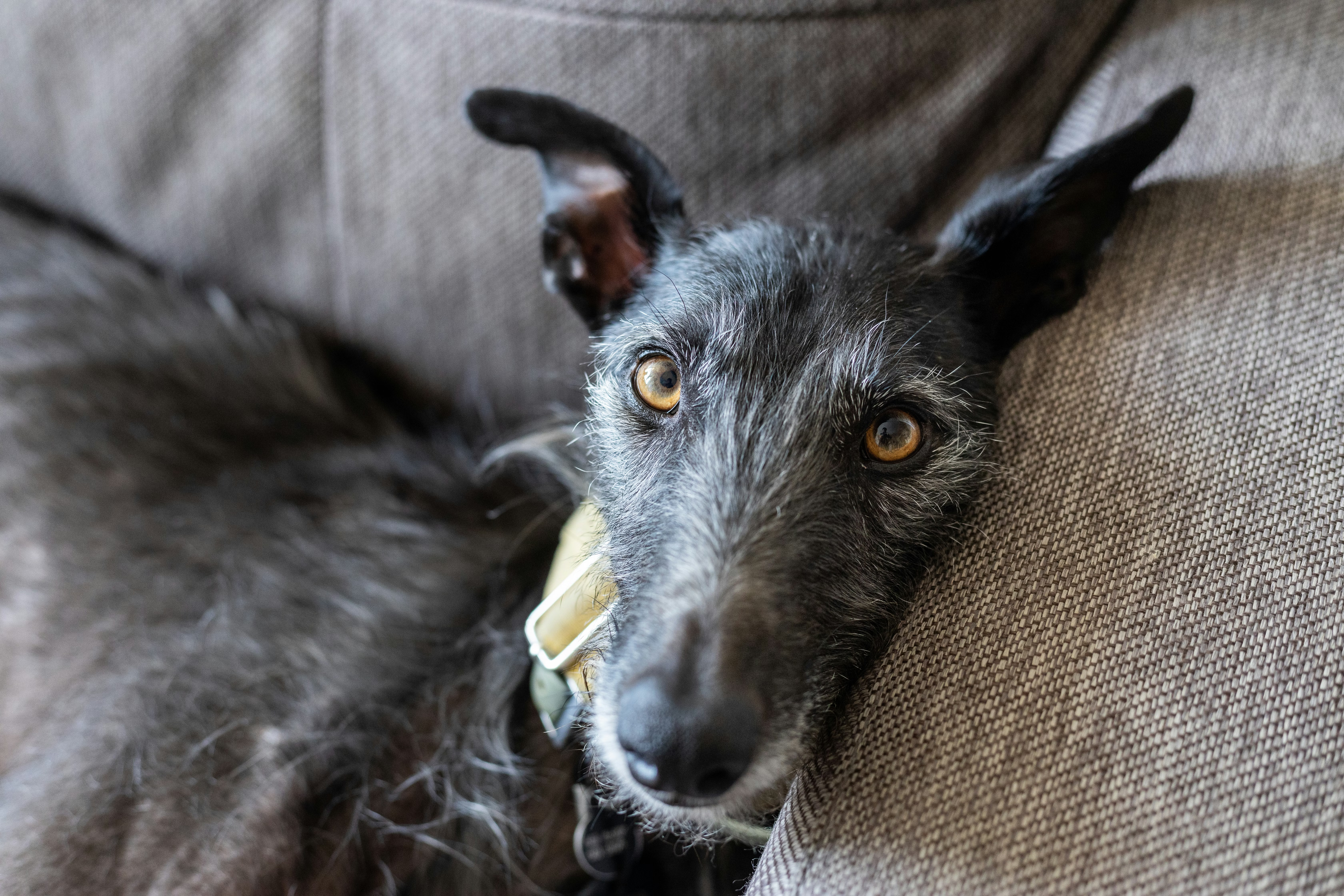
One of the biggest misconceptions about independent dogs is that they’re less loving. In reality, they often just express their feelings differently.
Different ways dogs show love
Not all dogs cuddle. Some prefer to sit nearby rather than on your lap. Others show affection by quietly following you from room to room or checking in with a glance. These behaviors signal trust and attachment, even if they’re subtle. To learn more, check out these five ways dogs show love.
Independence and bonding can coexist
A dog that enjoys alone time can still form deep emotional bonds. Independence simply means the dog doesn’t rely on constant interaction to feel secure. In many cases, these dogs develop especially strong relationships because their affection is selective and intentional.
Living with a cat-like dog
Sharing your life with a more independent dog can be incredibly rewarding, especially when your goals for the relationship align with the dog’s natural tendencies.
Training tips for independent pups
- Keep training sessions short and engaging.
- Use rewards that truly matter to the dog, whether that’s food, play, or access to something interesting.
- Avoid repetitive drills; variety keeps these dogs mentally engaged.
- Focus on cooperation rather than control.
Enrichment that supports autonomy
Puzzle toys, scent work, and exploratory walks allow independent dogs to use their brains. Activities that let them make choices can be more fulfilling than highly structured games.
Respecting boundaries
Cat-like dogs often value personal space. Letting them initiate affection builds trust, while forcing interaction can backfire. Over time, respecting boundaries usually leads to a more relaxed and confident companion. Understanding dog body language is helpful for determining what your pup is trying to tell you.
What DNA can tell you about your dog’s personality
A dog’s environment plays a big role in how they behave, but genetics are also a factor. DNA testing that reveals your dog’s breed ancestry can help explain tendencies toward independence, sensitivity, or sociability. For mixed-breed dogs especially, understanding genetic background can provide helpful context for training, enrichment, and expectations.
Final Thoughts
Dog breeds that act more like cats are simply wired a bit differently than other breeds. Their independence, quiet affection, and self-sufficiency are traits shaped by history and genetics, not a lack of connection. By understanding and respecting these differences, pet parents can build strong, rewarding relationships that last a lifetime.