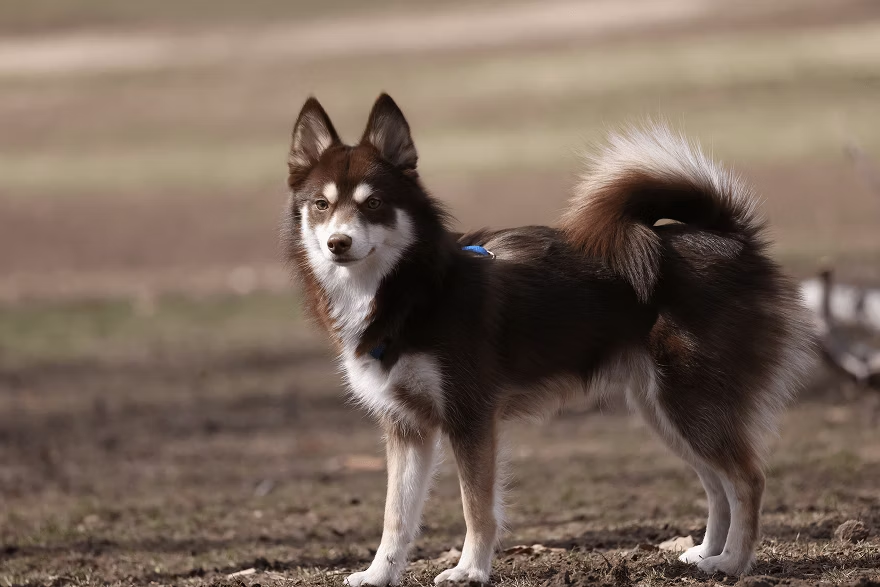
If you’ve ever had a Pomsky pop up in your social media feed, chances are you stopped scrolling. With their bright eyes, plush coats, and puppy-like features, the Pomsky is always worth a longer look. But their positive attributes extend well beyond their appearance.
This designer breed—a mix between a Pomeranian and a Siberian Husky—is gaining in popularity. If you’ve ever wondered if this mixed breed dog was right for you, read on to learn about their characteristics and care.
History of the Pomsky
The Pomsky is a relatively recent addition to the world of designer breeds, arriving on the scene in 2012. The goal behind the mix was to combine the Siberian Husky’s striking appearance with the smaller size and companion-friendly qualities of the Pomeranian. Though Pomskies are not yet recognized by the AKC, Pomsky enthusiasts and breeders are working to have them recognized as an official breed.
Due to the size difference between the parent breeds, Pomskies are typically bred using artificial insemination, with the Siberian Husky as the mother. The result? An energetic, fun-loving, and family-friendly pup wrapped up in an adorable package.
Pomsky personality and temperament
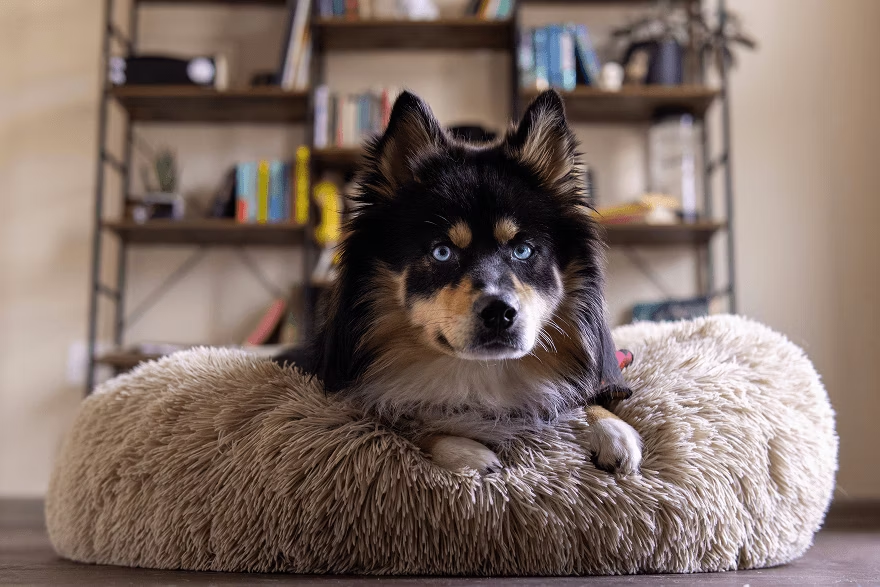
Pomskies are typically playful, alert, and people-focused. Much like the breeds that make up their mix, they usually enjoy being at the center of family activity and thrive on interaction, whether that’s playtime, training, or simply hanging with their favorite humans.
Affection and loyalty are common traits, and Pomskies frequently form strong bonds with their people. Their desire to be with their pet parents makes them the ultimate sidekick, but it also means some Pomskies may struggle with being left alone for long periods. Without enough engagement, unwanted behaviors or vocalization can develop. Getting your dog used to spending time along slowly, and building up duration over time, can help prevent challenges like separation anxiety.
Early and ongoing socialization is also important for this mix. Positive exposure to different people, environments, and animals helps Pomskies grow into confident, adaptable companions. With proper introductions and supervision, many Pomskies can do well with children and other pets, particularly when kids are taught how to interact respectfully with dogs.
Pomsky size, appearance, and grooming needs
Pomskies typically fall into the small-to-medium size range. However, due to the size difference between the Husky and Pomeranian, their size can vary depending on the genes they inherit from their parents. Their coats are usually thick and fluffy, often reflecting Husky-inspired markings or color patterns blended with Pomeranian features.
Shedding is common in this designer mix, so regular brushing is important. A consistent grooming routine helps remove loose fur, prevent mats, and keeps the coat healthy. Seasonal shedding periods, when Pomskies shed their thick undercoats, may require more frequent grooming.
Pomsky health considerations
If you’re considering getting a Pomsky, you may be wondering if they have health issues. Like all dogs, Pomskies can be prone to certain conditions, some of which are associated with their parent breeds.
Potential health concerns may include patellar luxation, eye conditions, and joint-related issues. Smaller dogs with stronger Pomeranian traits may be especially prone to dental problems, though routine oral care is important for all dogs.
Genetic testing can offer valuable insight into any inherited health risks and help guide preventive care decisions. Regular wellness visits, balanced nutrition, and appropriate mental and physical exercise for this active dog all play a role in supporting a Pomsky’s long-term health.
Pomsky training and exercise needs
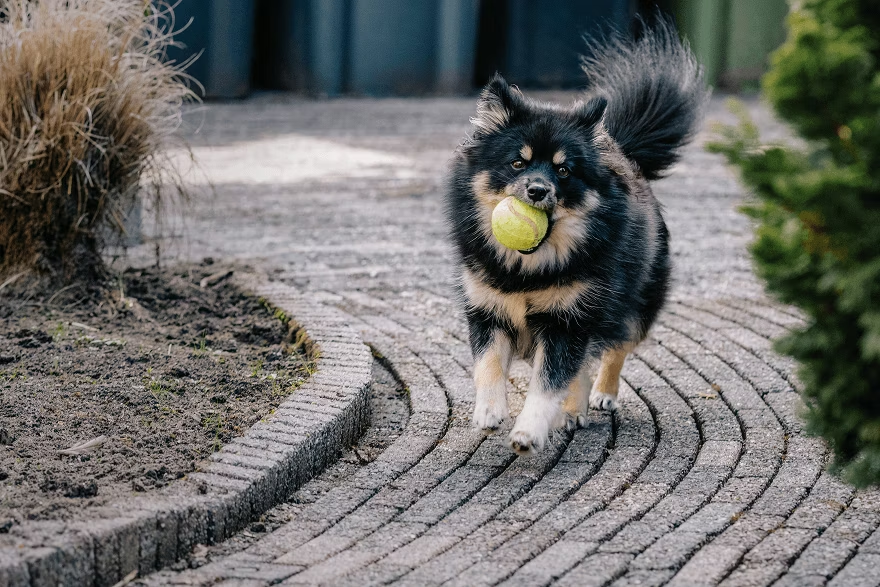
While Pomskies are smaller than Huskies, they are still energetic dogs that need daily exercise and mental stimulation. Daily walks, interactive play, and enrichment activities such as puzzle toys or short training sessions help keep Pomskies engaged. This mixed breed also excels at dog sports such as agility, flyball, and musical canine freestyle.
When it comes to training a Pomsky, positive, consistent sessions are the way to go. Pomskies are often intelligent and quick learners, but they may also inherit a streak of independence. Short, upbeat training sessions tend to hold their attention best and help reinforce good habits.
Is a Pomsky right for you?
Pomskies thrive in homes with pet parents who enjoy an active, involved relationship with their dog. If you’re considering a Pomsky, be prepared to invest time in training, grooming, and daily interaction.
Pomskies can adapt to apartment living if their physical and mental needs are met, but they’re generally happiest in homes where they aren’t left alone for long stretches. Families with older, dog-savvy children and households willing to prioritize socialization and enrichment often see the best outcomes with this mix.