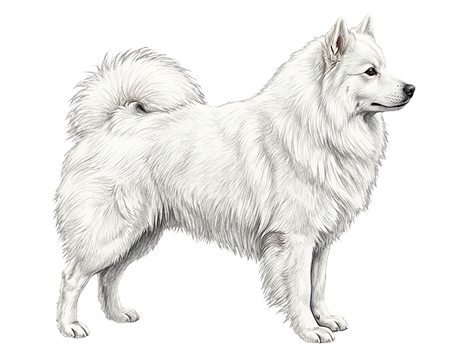
German Spitz Grosse
The Large German Spitz is one of the oldest German dog breeds and although the smaller sizes were associated with the common folk, the Großspitz became popular with the wealthier classes in western Europe.
Interested in discovering if your dog is a German Spitz Grosse?
Check out Wisdom Panel's DNA tests.
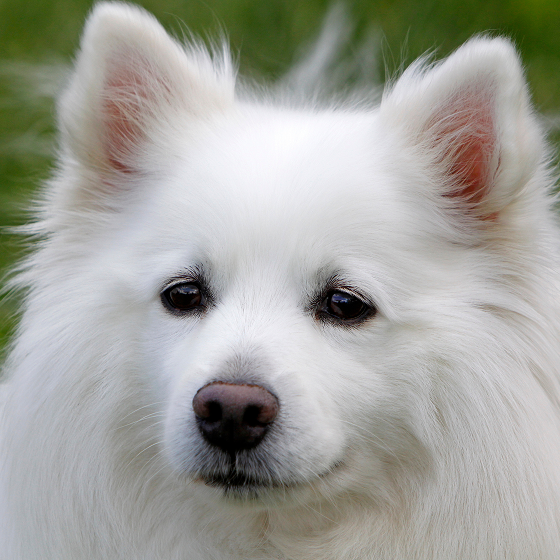
German Spitz Grosse Traits
General Appearance
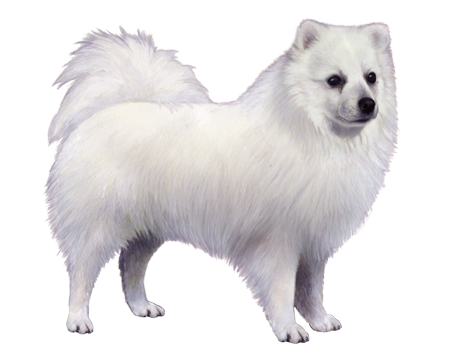
The Large German Spitz is a medium-sized, compact dog with a well-balanced build.
Coat and Coloring
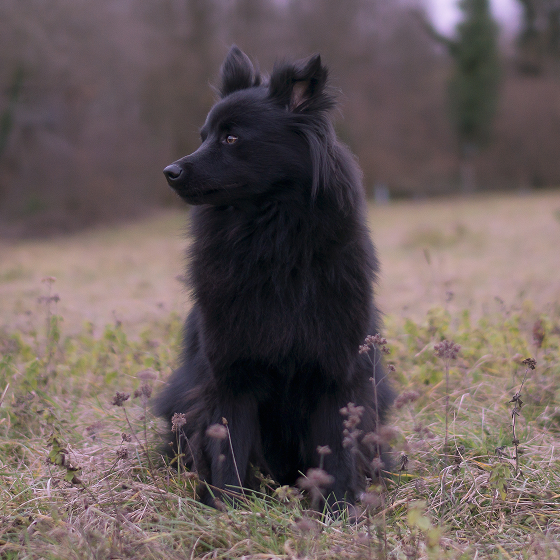
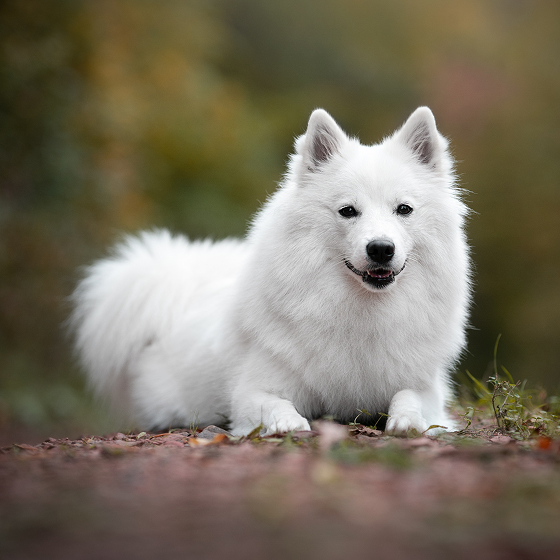
Large German Spitze have a dense double coat with a long harsh outer coat and a thick woolly undercoat. Colors for breed are white, black, or brown. Their coat gives the dog a round appearance with a prominent ruff.
Distinctive Physical Traits
Notable traits of this breed include a pointed muzzle, small erect ears, a lion-like mane around the neck, and a plumed tail that curls over the back.
German Spitz Grosse Temperament
This breed is lively, devoted, and watchful. German Spitz dogs are known for their trainability and loyalty, and have a natural reservation around strangers. These alert pups make excellent guard dogs while being an affectionate family companion.
German Spitz Grosse History
The Large German Spitz (Großspitz) is one of five varieties of the German Spitz breed, which includes the Wolfsspitz or Keeshond, the Large Spitz, the Medium Spitz (Mittelspitz), the Miniature Spitz (Kleinspitz), and the Pomeranian (Zwergspitz).
The earliest mentions of spitz dogs in German literature date from 1450 AD. German Spitz dogs were originally kept on farms for herding and guarding. The Large Spitz, with its white, black, or brown coat, was particularly valued as a farm guardian and herding assistant. All German Spitz varieties are recognized by the FCI. This breed is distinguished from the Keeshond or Wolfsspitz by coat color.
German Spitz Grosse Care
Nutrition
To meet the Large German Spitz's nutritional needs, feed a balanced diet appropriate for a medium-sized active breed. Their dense coat benefits from omega fatty acid supplements to keep it looking its best. This breed can be prone to weight gain, so keep an eye on their food intake and monitor their weight. To manage their portions, measure or weigh meals to avoid over-feeding and keep treats to less than 10% of their daily calories.
Grooming
This breed's dense double coat requires regular brushing several times per week to prevent matting, particularly during seasonal shedding. To round out their grooming routine, bathe them as needed, check and clean ears regularly, trim nails monthly, and provide at-home dental care.
Exercise
The Large German Spitz needs moderate daily exercise including walks and active play. While this breed is not as high-energy as working breeds, they benefit from mental stimulation and social interaction.
Training
The Large German Spitz is an intelligent breed and trainable with positive reinforcement techniques. A typical spitz, they can have an independent streak. Early socialization and consistent training are important for them to develop into well-adjusted, well-mannered dogs.
Breed Group
Companion
This group consists of dogs typically bred for the specific purpose of human companionship, and many are popular pets because of their gentle nature. They became more common as the concept and luxury of dogs as pets prevailed.






_Color.png)


