Every year, millions of cats pass through animal shelters across the country, waiting to find a loving home. And yet, some people who would make wonderful pet parents hesitate to adopt because of stories or misconceptions that in reality don’t hold up to scrutiny.
We’ve separated fiction from fact when it comes to shelter dogs. Now it’s the cats’ turn.
Myth: Shelter cats have behavior issues.
Reality: This is one of the most common, but not necessarily fair, assumptions about shelter cats. Cats found in shelters are not "damaged goods." Plenty of cats end up in shelters for reasons that have more to do with people’s circumstances than the cat themselves. Common examples include: a pet parent who developed allergies, a move to housing that doesn’t allow pets, a financial hardship, or even the death of an owner. That said, a recent survey found that nearly a third of pet parents cited behavior issues as the motivating factor for rehoming their cat. However, behavior is impacted by a variety of factors, including a cat’s environment, and behaviors may not persist in a different home.
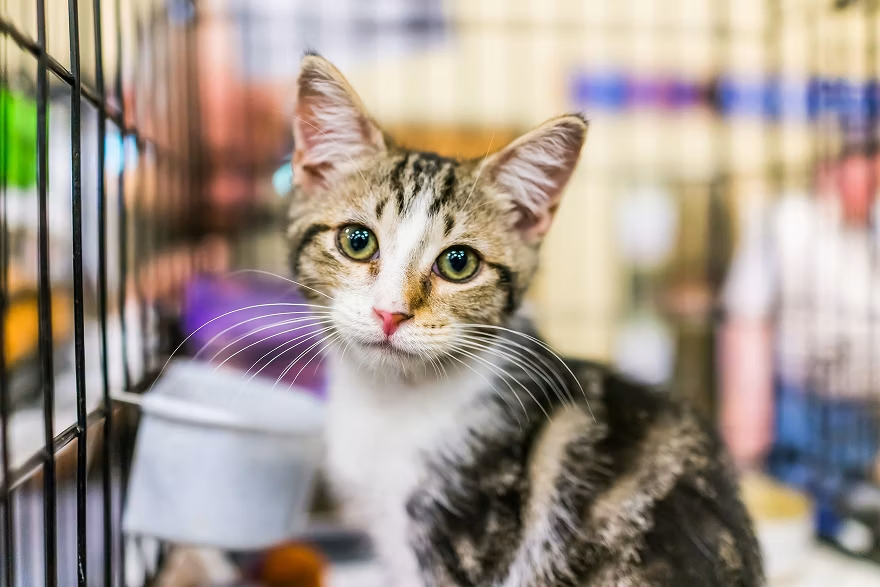
It’s also important to understand that what you see in the shelter may not be what you get at home. Cats in shelters may seem shy or withdrawn when you first meet them, but this is often a normal stress response to being in an unfamiliar environment, not necessarily a sign of a permanent personality trait. Plus, cats are very resilient animals. Even if they have endured a past trauma, with patience and a calm home to feel safe in, most shelter cats come into their own quickly.
Myth: Shelter cats are always unhealthy.
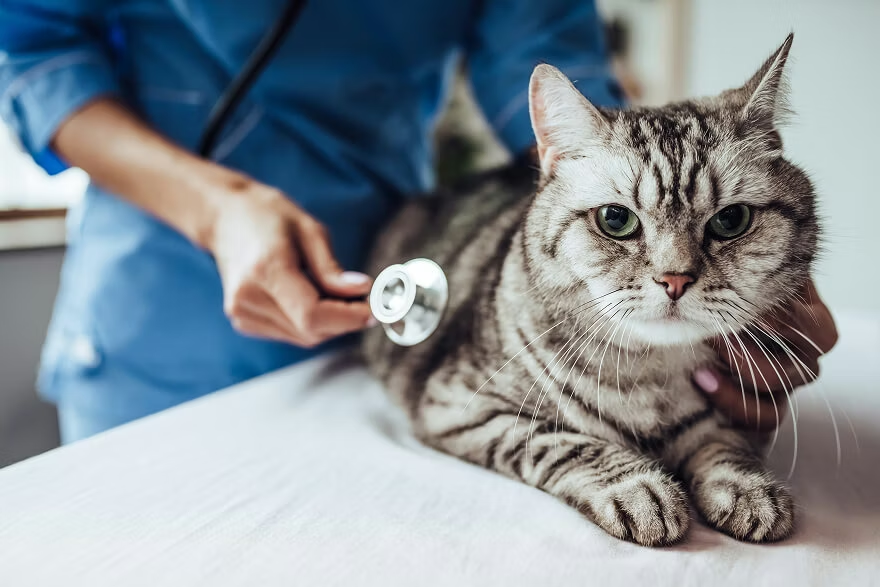
Reality: Many cats arrive at shelters in perfectly good health, surrendered by owners who simply couldn’t keep them. And, reputable shelters conduct veterinary exams as part of the intake process. They receive vaccinations, parasite preventives, and if needed are spayed or neutered before they’re available for adoption. They may also receive other treatments, depending on the findings from their exam, such as dental care.
That said, adopting any cat comes with unknowns, and health status changes over the course of their life. That’s what makes regular veterinary care so important, no matter where you get your cat. If you want a deeper look at your new cat’s genetic makeup, including potential health predispositions, a DNA test like Wisdom Panel Complete for Cats can provide insights into their genetic health markers. This can be a helpful tool to guide care decisions made by you and your veterinarian.
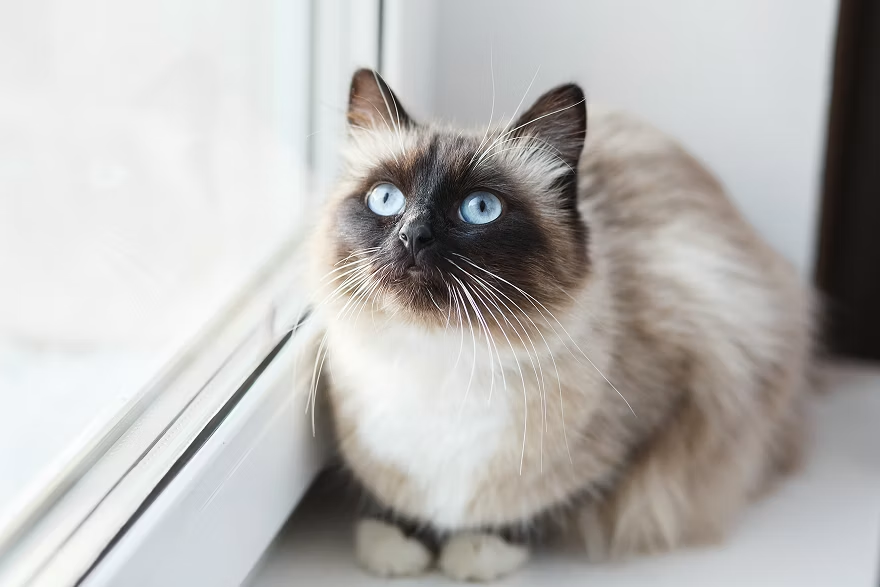
Myth: You can’t find single-breed cats in shelters.
Reality: Pedigreed or single-breed cats do turn up in shelters more than you might expect. That’s because single-breed cats can end up in rescues for all the same reasons random-bred cats do; a person’s life changes or financial constraints don’t discriminate by breed. There are also breed-specific rescue organizations if you have your heart set on a specific breed.
This is also another area where a DNA test can come in handy. Even if you choose a cat that’s not a pedigreed, genetic testing can help you understand their ancestry and breed mix, which can shed light on their behaviors and traits. For example, many assume that cats with colorpoints have Siamese in their mix. However, we see this trait in many mixes—and Siamese and Burmese colorpoints are one of the trait tests included in our Complete for Cats DNA test.
Myth: Only old cats are at the shelter.
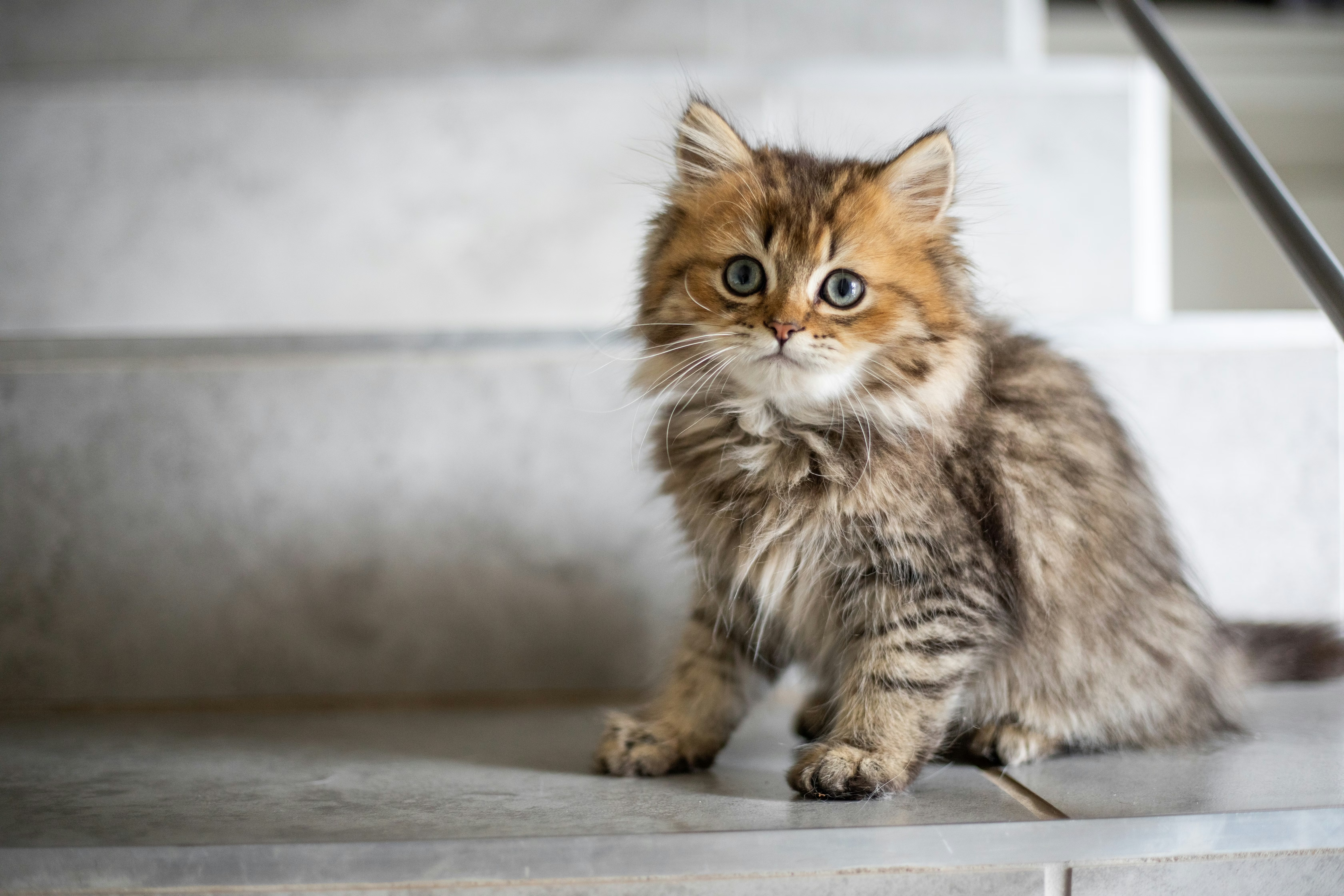
Reality: Shelters have cats of all ages, from litters of kittens to senior cats and everything in between. If a kitten is what you’re looking for, local shelters often have more kittens spring through early fall, though kittens are available for adoption throughout the year.
Opting for an adult cat has plenty of benefits, too. You’d be able to bypass the biting and chewing stage that occurs when they are teething—not to mention the sometimes painful phase when kittens scale your legs like tree trunks. While energy levels differ by individual cats, with an adult cat you’re likely to get a calmer cat that doesn’t need the same constant attention of a young kitten.
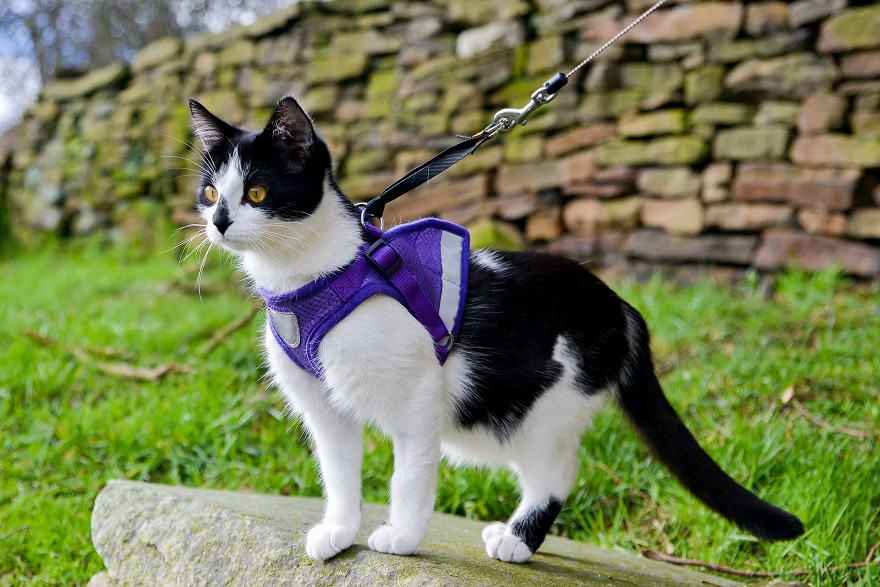
Myth: Shelter cats are unsocialized or untrainable.
Reality: Many cats arrive at a shelter already comfortable around people and accustomed to living in a home. For those that are strays, shelter staff and volunteers invest real time and energy in socializing cats in their care. The truth is, properly socializing and training any cat requires patience and consistency from pet parents.
Myth: Older shelter cats won’t bond with new pet parents.
Reality: There is no evidence that a cat’s capacity to bond diminishes with age. In fact, a pet parent’s behavior and their commitment to setting up an appropriate environment for their cat has a lot more to do with bonding than a cat’s age. However, senior cats are often calmer, more settled, and remarkably affectionate. Many cat parents who adopt older cats report that the bond they form is every bit as deep as the ones they shared with younger cats. Still, senior cats tend to be overlooked in favor of kittens, which means they often wait longer for homes. Giving an older cat a loving place to live out their years is one of the most rewarding experiences a cat parent can have.
Final thoughts
When you adopt a shelter cat, you’re not just adding a pet to your family. You’re giving a second chance to a cat that deserves a loving, safe home. So if you’re considering cat adoption, don’t let the myths hold you back. Your perfect companion might already be waiting at your local shelter.