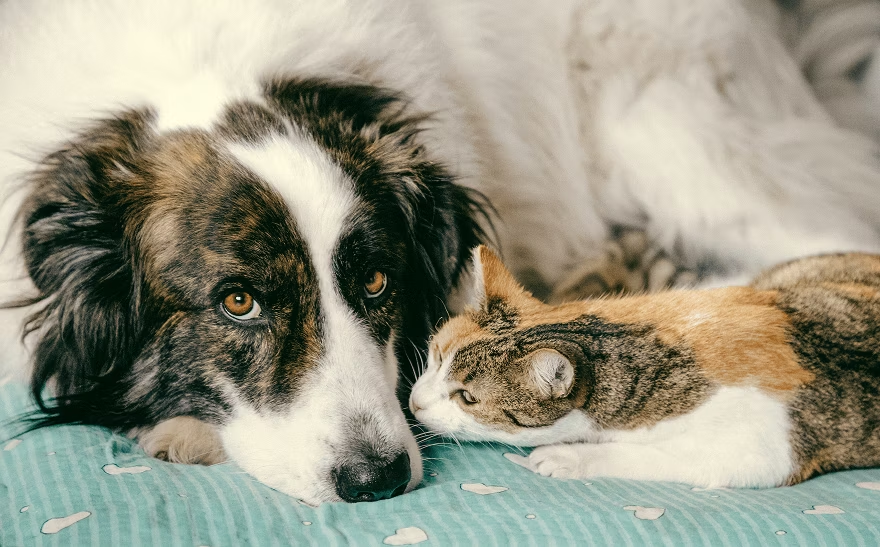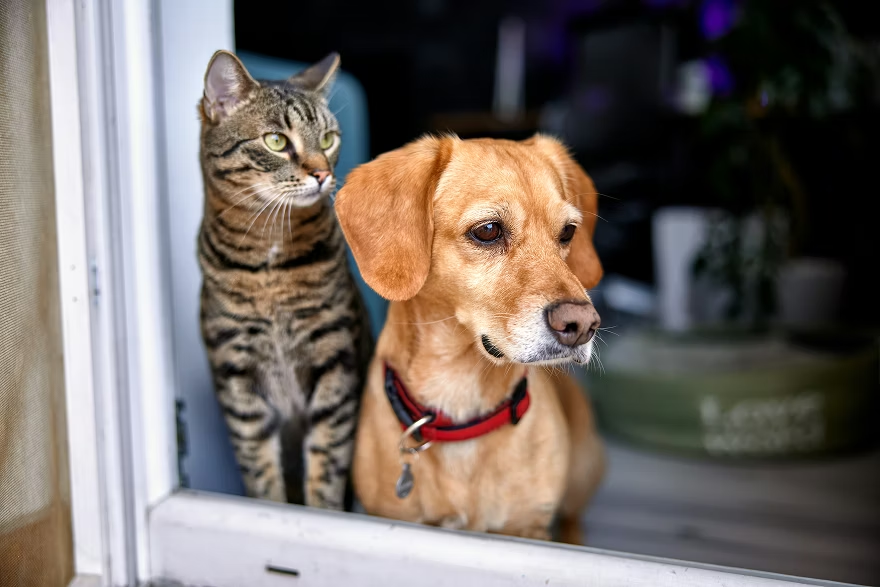

Bringing a cat into a home that already has a dog can feel a little stressful. After all, you don’t know how either pet will react. Maybe they will ignore each other. Maybe they will become fast friends. Maybe they will bounce between happy, nervous, confused, or agitated—all in a matter of minutes. It’s impossible to predict how the new relationship will develop.
Luckily, there are steps you can take, including choosing a cat breed known to do well with dogs, that will stack the odds in your favor.
Can cats and dogs coexist peacefully?
Yes! Before diving into specific breeds, it’s helpful to understand why some cats adapt more easily to living with dogs. Cats that do well in dog households often share a few key traits. They tend to be confident and resilient. This makes them less likely to panic in response to sudden movements or noise. They are also more likely to stand their ground around a dog rather than running away or hiding. Early socialization also plays a major role. Cats that are exposed to dogs as kittens often adjust to sharing a home with them more quickly.
While these factors all impact how well a cat adapts to life with a dog, it’s also important to set up boundaries. Both the dog and cat should feel safe and comfortable in the home. It’s up to you as the pet parent to manage the environment, create space for each pet, and intervene as needed if either pet is crossing a line.
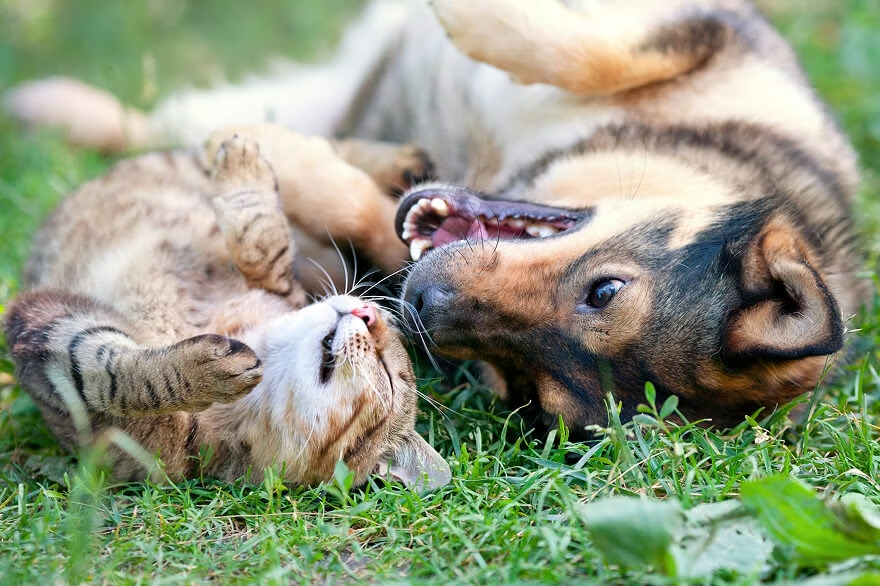
5 dog-friendly cat breeds
Ragdoll
Ragdolls can be a great fit for homes with dogs, thanks to their relaxed and affectionate nature. This breed is known for being people-oriented and social, often seeking out attention rather than avoiding it. Many Ragdolls are less reactive to sudden movement or noise, which can help them stay calm around curious or playful dogs. While they may not actively try to interact with dogs, they’re often comfortable sharing space with them.
To get the relationship off to a good start, slow and supervised interactions are key. Providing elevated spaces, such as cat trees or shelves, gives the cat control over how close they want to be. Reinforcing calm behavior in dogs can also help prevent overwhelming the cat during early introductions.
Maine Coon
Maine Coons are sometimes described as having “dog-like” personalities themselves, which can make them an excellent fit for multi-pet households. Generally gentle, curious, and playful, Maine Coons tend to approach dogs with interest rather than fear. Their larger size and sturdy build may also give them added confidence, especially compared to smaller or more delicate cats. Many Maine Coons enjoy interactive play and may happily coexist with dogs that respect their boundaries.
After initial greetings and a general level of comfort is achieved, structured play opportunities for both pets so excess energy is directed appropriately can be helpful in keeping the peace. Feeding them separately can reduce tension around food, and creating quiet retreat spaces allow both pets to decompress when needed.
Abyssinian
Abyssinians are energetic, intelligent, and deeply curious—traits that can work well with the right canine companion. These cats are often more interested in what’s happening around them than in hiding, so they may find dogs less threatening. Abyssinians tend to do best with dogs that enjoy play but have good impulse control.
Fostering positive interactions means channeling shared energy in constructive ways. Interactive toys can redirect excitement, while predictable routines help reduce stress. As always, interactions should be voluntary, allowing curiosity, not pressure, to guide the relationship.
British Shorthair
For homes with calm or moderately active dogs, the British Shorthair can be a particularly good match. These cats are known for their easygoing and adaptable temperament. While affectionate, they’re typically independent and not overly demanding of attention. This balance can make it easier for them to coexist with dogs without feeling overwhelmed.
British Shorthairs often prefer quiet companionship over active play. Allowing them to approach dogs on their own terms, rewarding dogs for calm behavior, and maintaining consistent routines can help these cats feel secure in a multi-pet household.
Birman
Birmans are gentle, people-focused cats that tend to enjoy companionship without being overly intense. Their affectionate and easygoing nature often helps ease introductions with dogs. Many Birmans are tolerant of respectful pups and adapt well to busy environments as long as their needs are met.
Successful introductions typically involve short, positive interactions and access to dog-free zones where the cat can retreat. Paying close attention to body language—such as relaxed posture and curious behavior—can help gauge comfort levels as the relationship develops.
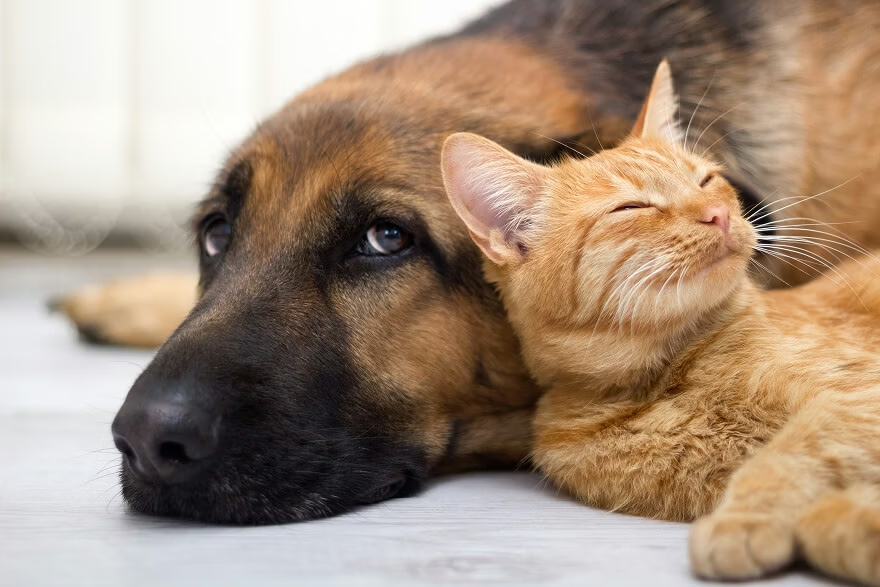
Consider your dog’s personality and traits
Your dog’s breed qualities and individual behavior traits also impact how they’ll react to life with a cat. Just as researching cat breeds is important, understanding which dog breeds are cat-friendly is also critical.
Breed tendencies matter, but every pet is an individual
While certain breeds are more likely to get along well with dogs, there’s no guarantee the dog and cat will be compatible. A confident mixed-breed cat may adapt more easily than a purebred cat with a timid personality. Similarly, a calm, well-trained dog often plays a bigger role in long-term success than a cat’s particular breed.
Final thoughts
With thoughtful planning, realistic expectations, and a commitment to managing the relationship throughout each pet’s life, many cats and dogs can live together in harmony. As a pet parent, keeping a close eye on your pets as they age and change, and adjusting their environments or routines when necessary, will help maintain a happy household for all.