Some cat breeds and populations appear frequently in Wisdom Panel DNA results, including Domestic cats, Maine Coons, Persians, and Norwegian Forest Cats. But with testing for more than 70 breeds and populations included in our Complete for Cats test, pet parents have discovered plenty of less common breeds hiding in their pet’s ancestry.
While these breeds are represented in only a small percentage of the cats we’ve tested, they highlight the remarkable diversity that can be uncovered through DNA analysis. From curly-coated companions to cats bred to resemble miniature tigers, here are seven of the less commonly detected breeds found in Wisdom Panel cat DNA results.
Manx
Found in the ancestry of 4.2% of cats tested by Wisdom Panel
Manx cats originated on the Isle of Man in the Irish Sea, and are famous for a genetic variant producing shortened tails. Some have no visible tail at all, while others may have a partial tail of varying length.
Although their appearance often gets the most attention, Manx cats are equally well known for their personalities. Many are described as loyal, playful, and devoted to their families. Some even enjoy games of fetch and can learn tricks, earning them comparisons to dogs. They are also powerful jumpers thanks to their strong hind legs.
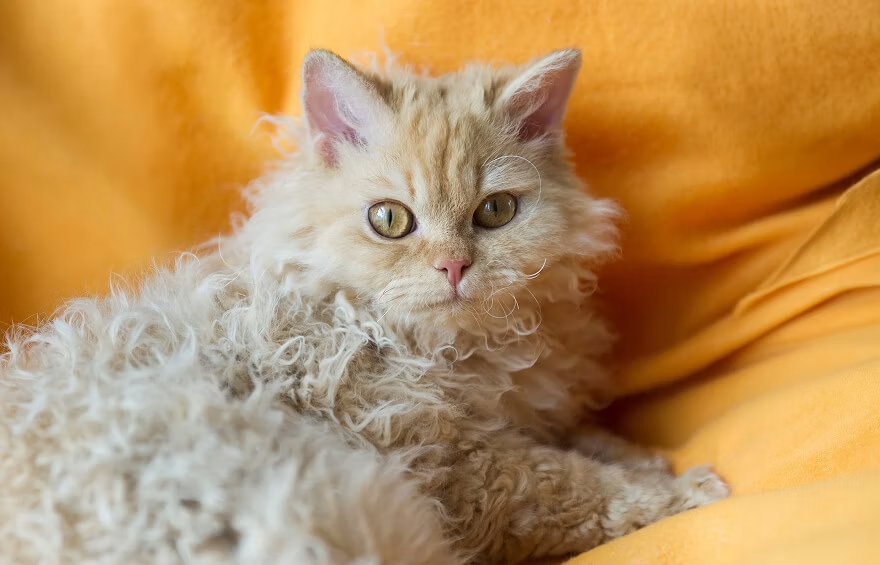
Selkirk Rex
Found in the ancestry of 2.5% of cats tested by Wisdom Panel
The Selkirk Rex was first discovered in Montana in the late 1980s. This breed stands out for their dense, plush curls, which give them a soft, teddy bear-like appearance.
These cats are often described as affectionate, patient, and easygoing. Many get along well with children and other pets, making them a popular choice for families. While they enjoy relaxing with their favorite humans, they also appreciate interactive toys and food puzzles that keep their minds engaged. Their unique curly coats require regular grooming to help prevent tangles and mats, particularly in long-haired individuals.
Ocicat
Found in the ancestry of 2.3% of cats tested by Wisdom Panel
The Ocicat is a cat breed that looks wild but is entirely domestic. Developed from crosses involving Siamese, Abyssinian, and American Shorthair cats, they were named for their resemblance to the wild ocelot.
Their distinctive spotted coats often capture attention first, but Ocicat pet parents are just as likely to praise their personalities. These cats are active, social, and highly intelligent. Many enjoy interactive games, puzzle toys, and learning new skills. In fact, pet parents often describe them as dog-like in their willingness to participate in family activities and engage with visitors.
Korat
Found in the ancestry of 2.2% of cats tested by Wisdom Panel
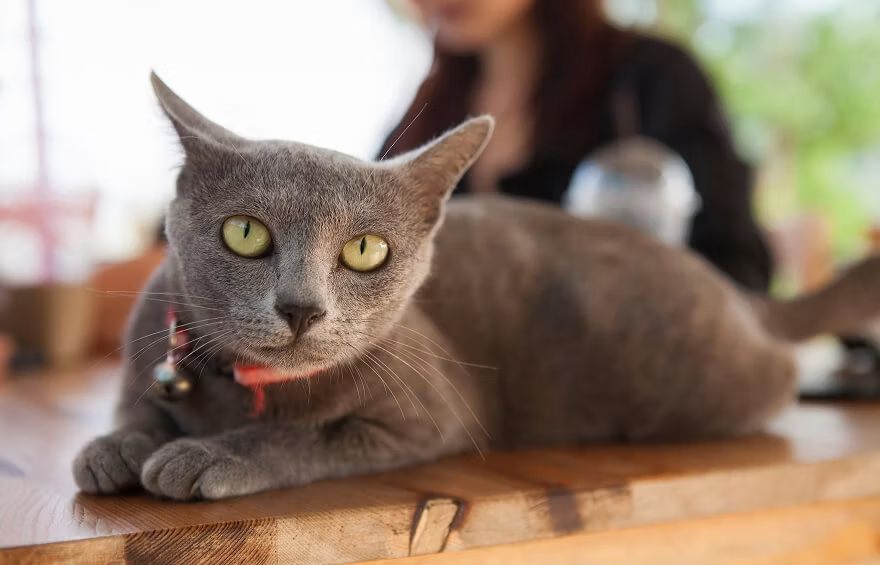
Korats are one of Thailand’s oldest domestic cat breeds and have long been associated with prosperity and good fortune in their native country. Traditionally given as gifts rather than purchased, they have been treasured companions for centuries.
These rare cats are recognizable by their shimmering silver-blue coats and heart-shaped heads. Korats are highly intelligent and observant, often forming strong bonds with their families. Many are happiest in calm households where they can spend plenty of time interacting with their favorite people. Although they are playful problem solvers, many Korats are happiest when curled up beside—or better yet, on top of—a trusted companion.
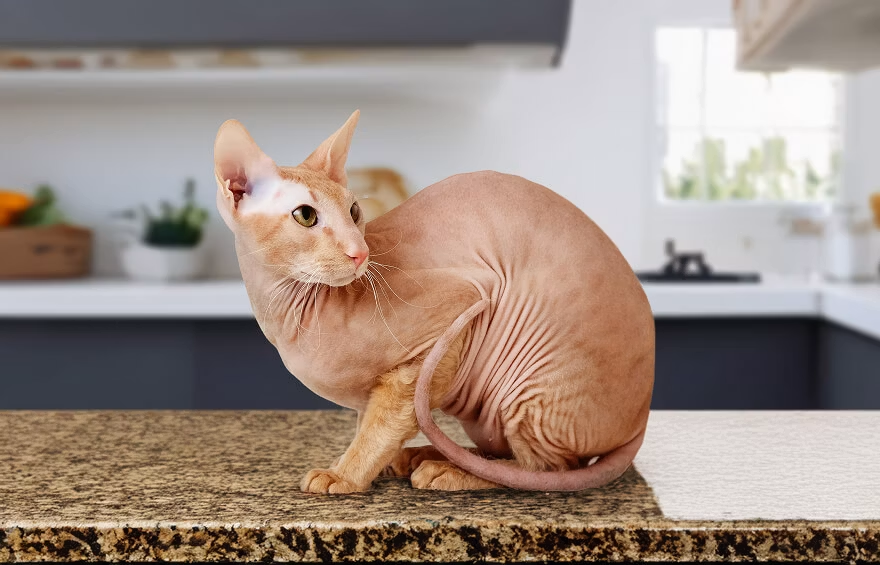
Peterbald
Found in the ancestry of 1.5% of cats tested by Wisdom Panel
Peterbalds were developed in Russia during the 1990s by crossing the Donskoy with the Oriental Shorthair. The dominant hair-altering genetic variant responsible for the classically “hairless” look in this breed can actually produce a range of coat types, from completely hairless to short, velvety coats.
What truly sets Peterbalds apart is their personality. These cats are known for being exceptionally social and people-oriented. They often seek out human companionship, follow family members from room to room, and prefer being part of the action rather than watching from the sidelines. Their elegant build, large ears, and expressive faces give them a distinctive appearance that matches their outgoing nature.
Turkish Van
Found in the ancestry of 0.8% of cats tested by Wisdom Panel
Turkish Vans are originated in the region surrounding Lake Van in modern-day Turkey. They’re best known for their distinctive coat pattern, which features color primarily on the head and tail while the rest of the body remains mostly white.
Turkish Vans are athletic, intelligent, and energetic. Many are enthusiastic climbers and can often be found surveying their homes from the highest perch available. Their playful nature and curiosity mean they thrive in environments that provide opportunities for activity and enrichment. Turkish Vans are also famous for their interest in water—a trait that has earned them a reputation as one of the most water-loving cat breeds.
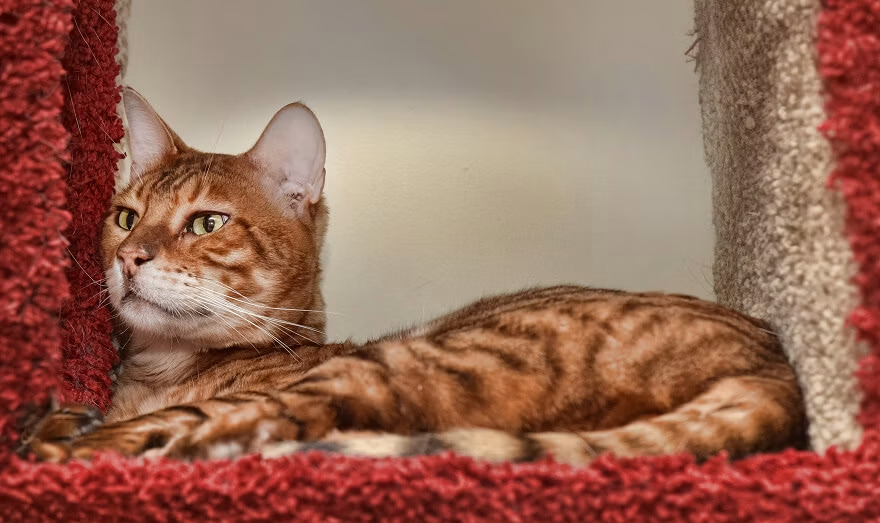
Toyger
Found in the ancestry of 0.4% of cats tested by Wisdom Panel
As their name suggests, Toygers were developed to resemble miniature tigers. They were created in the United States during the 1980s through selective breeding programs designed to produce the bold striping and muscular appearance associated with wild tigers while maintaining the temperament of a family pet. The result is a striking cat with dramatic markings and an outgoing personality.
Toygers are typically friendly, intelligent, and confident. Many enjoy learning tricks, exploring new environments, and interacting with both family members and visitors. Despite their wild appearance, Toygers are known for being affectionate companions that fit comfortably into family life.
Discover the secrets in your cat’s DNA
Some breeds appear frequently in Wisdom Panel breed reports, while others are rare breeds (or just rarely detected in the cats we’ve tested). But every DNA test tells a story, and can shed light on your cat’s personality, traits, and care needs—all while providing you with a deeper understanding of the one-of-a-kind companion you share your life with.