
It’s no surprise that large dog breeds are so popular. With their often steady temperaments and loyal personalities, these pups have a lot to offer. If you’re considering adding a large or giant breed to your home, it’s important to understand as much as you can before you make a final decision—from their nutritional needs and activity levels to health considerations that come with their size. In this guide, we’ll walk you through what you need to know before welcoming a big dog to your family.
What qualifies as a large dog?
While ranges can vary somewhat, large dogs typically weigh over 50–60 pounds and stand approximately 22 inches or taller at the shoulder. To break it down further, dog breeds are categorized into large breeds and giant breeds using the following weight ranges:
- Large breeds (generally 50–90 lbs)
- Giant breeds (90+ lbs)
Knowing where a breed fits on this spectrum can help you plan ahead—especially when it comes to choosing the right food, budgeting for medical care, and setting expectations around daily exercise.
Popular large and giant dog breeds
While every dog is an individual, certain large dog breeds have become especially beloved for their personalities, appearance, and versatility. Here are some of the most popular big dog breeds and what makes each one stand out:
Labrador Retriever
Friendly, outgoing, and highly trainable, Labradors are often considered the ultimate family dog. They thrive on activity and interaction, which makes them great companions for active households.
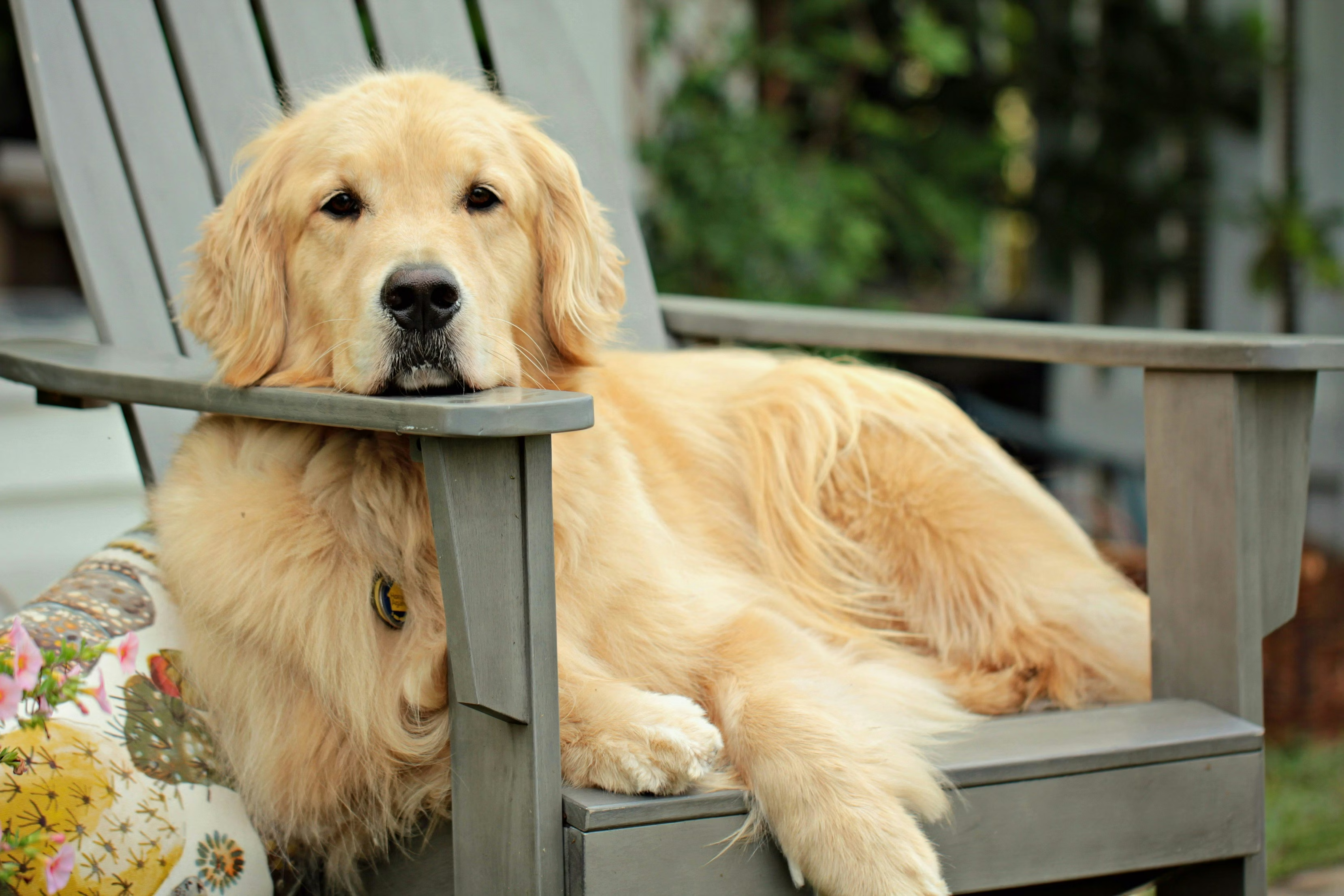
Golden Retriever
Known for their patient nature and eagerness to please, Golden Retrievers excel as family pets, therapy dogs, and service animals. Their affectionate personalities and intelligence make training fun for the whole family.
German Shepherd
Loyal and confident, German Shepherds are known for their work ethic and versatility. With proper training and enrichment, they make devoted family companions and excel in roles ranging from search-and-rescue to service work.
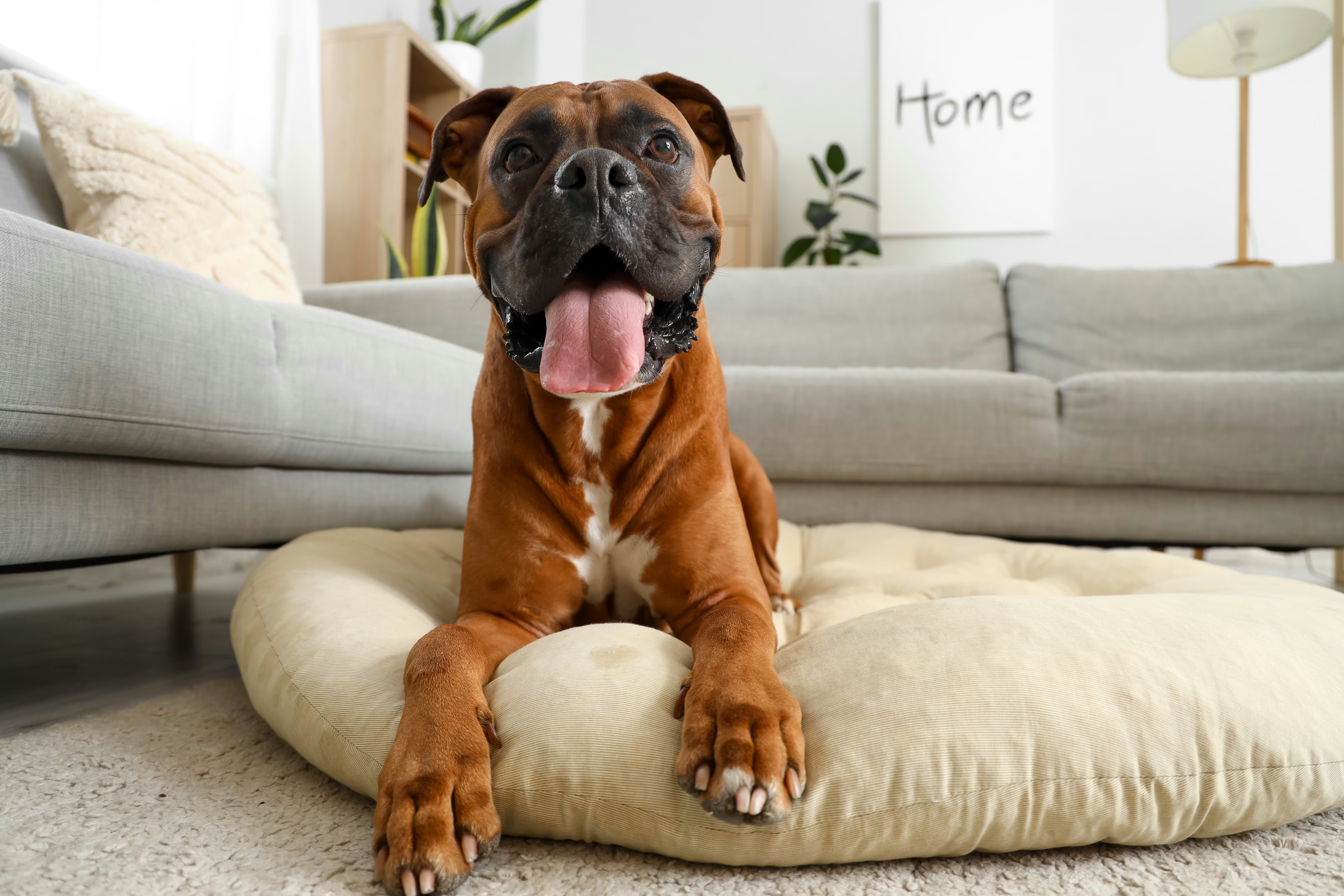
Boxer
Playful, energetic, and full of personality, Boxers are social dogs that bond closely with their families. Their expressive faces and upbeat attitude make them a favorite among big dog lovers.
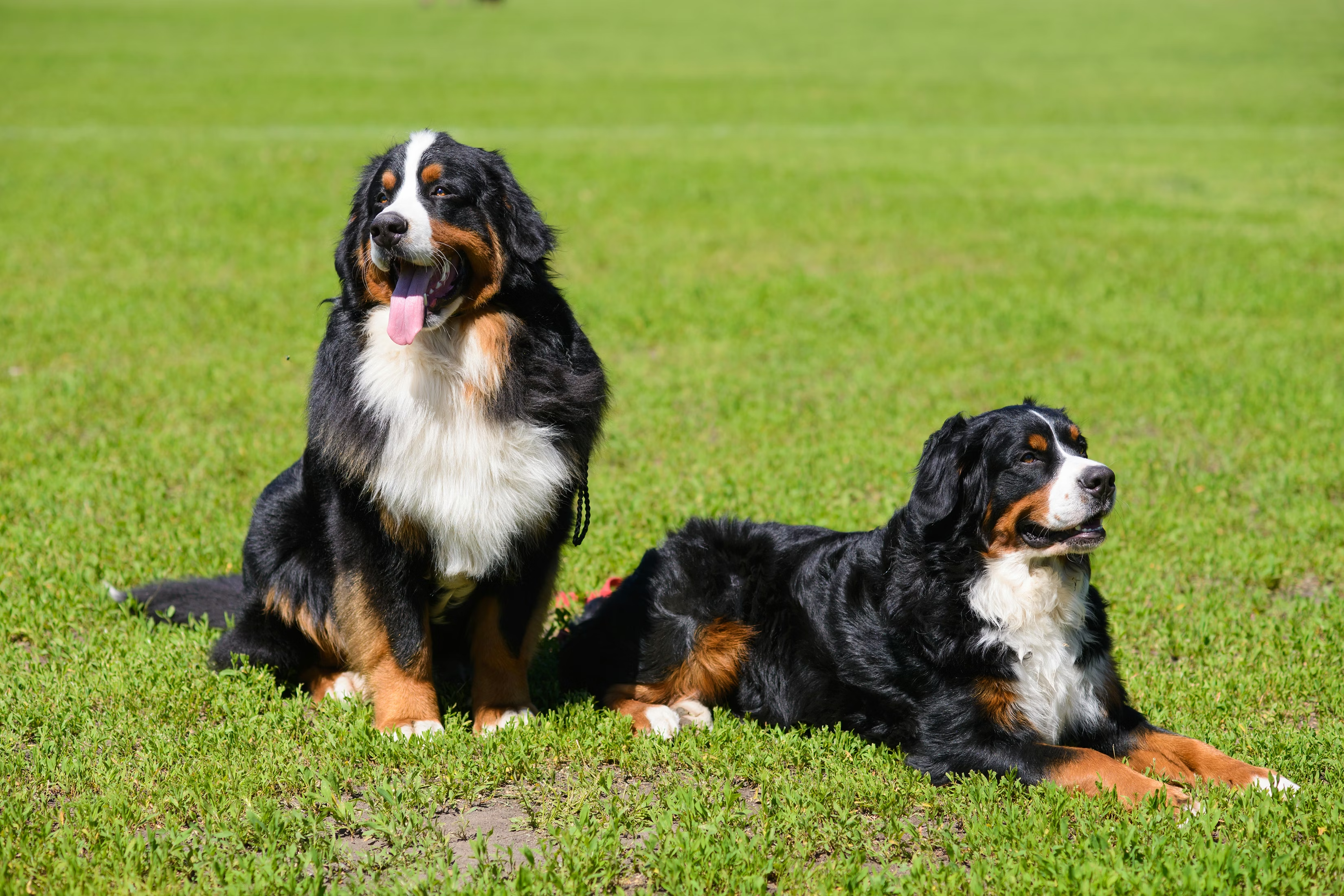
Bernese Mountain Dog
These big pups are known for their calm, affectionate temperament and striking tri-color coat. Bernese Mountain Dogs enjoy outdoor adventures but also love lounging with their families.
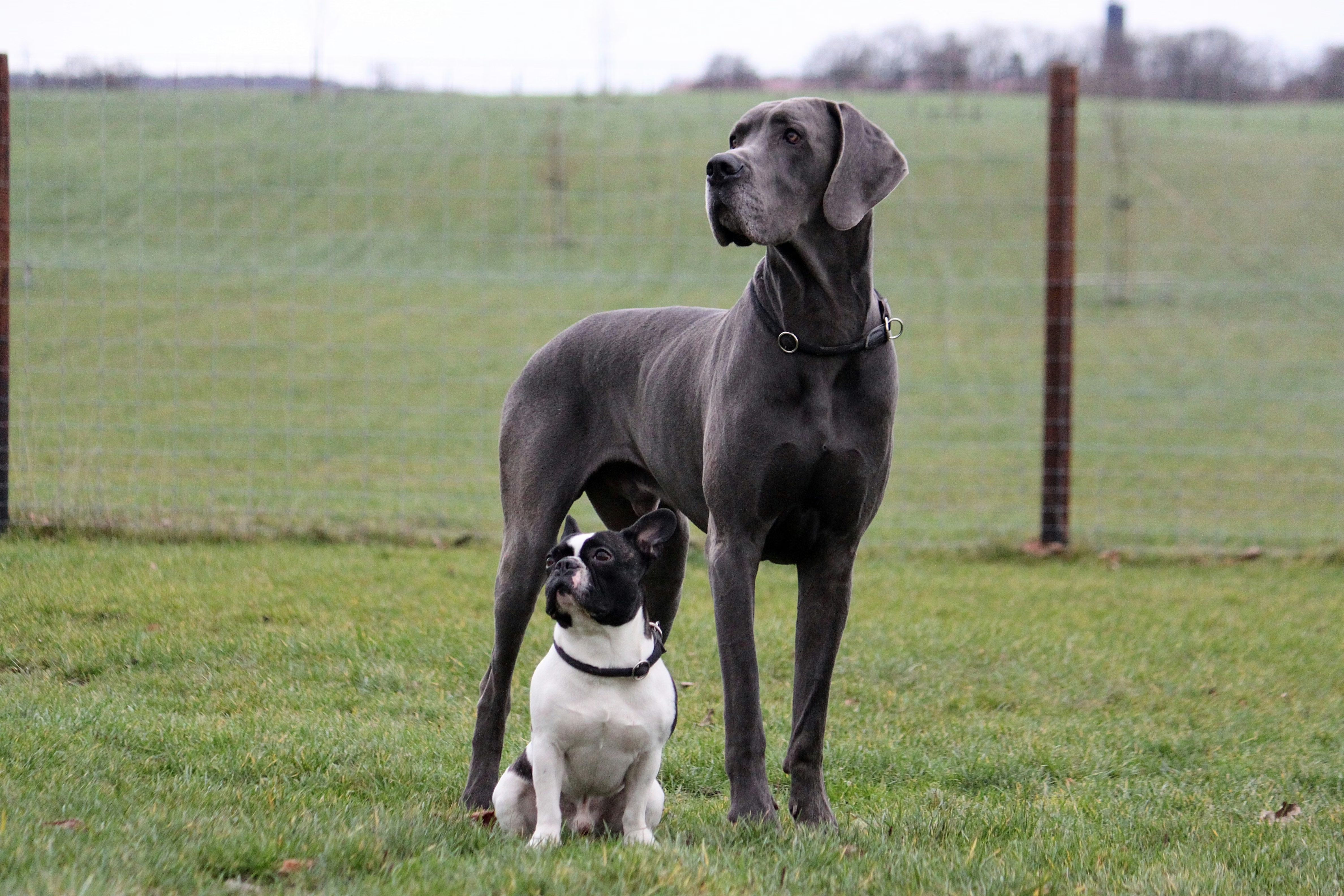
Great Dane
Despite their impressive height, Great Danes are famously gentle and affectionate. Often called “gentle giants”, they’re known for being friendly, patient, and surprisingly low-energy indoors.
Mastiff
Mastiffs can be imposing in size, but they’re typically docile, loving, and devoted to their families. Their calm demeanor makes them an excellent fit for households that appreciate big, steady companions.
Irish Wolfhound
As one of the tallest dog breeds, Irish Wolfhounds are known for their calm, sweet-natured personalities. They enjoy daily exercise but are also content to stretch out and relax at home.
Newfoundland
Newfoundlands are strong swimmers with a gentle spirit. Bred as working dogs, they’re known for their loyalty, sweet disposition, and protective instincts around children.
Great Pyrenees
Gentle, devoted, and independent, Great Pyrenees are natural guardians known for their calm demeanor and protective instincts. They’re affectionate with their families and thrive in homes that appreciate a steady, loyal companion.
Of course, breed popularity is only one piece of the puzzle. It’s equally important to understand the care and lifestyle needs that come with these big dogs.

How to care for a large dog breed
Like all dogs, large dog breeds require thoughtful care to keep them healthy and happy. Here are some of the biggest considerations:
Exercise and mental enrichment
Large breeds need daily physical activity, which may include brisk walks, backyard play, structured training, or hiking. While needs vary by breed and age, many large dogs are working or sporting breeds, meaning they benefit from jobs or activities that give them both physical and mental challenges.
Puzzle toys, nose-work games, and training sessions can help prevent boredom and reinforce good manners. These activities also strengthen the bond between you and your pup.
Nutrition and weight control
Because of their size, large dog breeds have unique nutritional needs—especially when it comes to calorie intake and joint health. Maintaining a healthy weight is one of the most important things you can do for your big dog. Extra pounds place additional stress on joints and can increase the risk of health issues like arthritis and heart disease.
Large-breed puppies also benefit from specially formulated puppy food that supports proper growth rates and reduces the risk of developing orthopedic issues.
Ask your veterinarian for guidance on calorie needs, portion sizes, and whether supplementation might support your dog’s long-term health.
Training and socialization
Early, consistent training is essential for big dog breeds. Not only are well-mannered dogs easier to live with, but training helps prevent behaviors that can be more challenging when they come from an 80-pound dog, such as leash pulling or jumping on people. Positive reinforcement methods—rewarding good behavior with treats, praise, or play—are especially effective.
Socialization is equally important. Exposing your pup to different people, pets, and environments during early life stages helps build confidence and reduces fear-based behaviors later on.
Common health conditions in large dog breeds
Because of their size and growth patterns, large and extra-large breeds are more prone to certain health issues. Awareness of these conditions can help pet parents take preventive steps—and know when to seek veterinary care.
Joint issues
Hip and elbow dysplasia are among the most common orthopedic conditions in big dog breeds. These occur when joints develop abnormally, leading to discomfort, mobility challenges, and arthritis. Maintaining a healthy weight, providing low-impact exercise, and supporting muscle development can help reduce risk.
Bloat (gastric dilatation-volvulus)
Bloat is a life-threatening condition in which the stomach fills with gas and may twist. Large, deep-chested breeds—such as Great Danes, Standard Poodles, and Weimaraners—are at higher risk. Preventive measures may include feeding smaller, more frequent meals, using a slow-feeder bowl, and avoiding vigorous exercise right after meals. Some families elect to have their dog undergo preventive gastropexy, a surgical procedure that reduces the risk of the stomach twisting.
Heart conditions
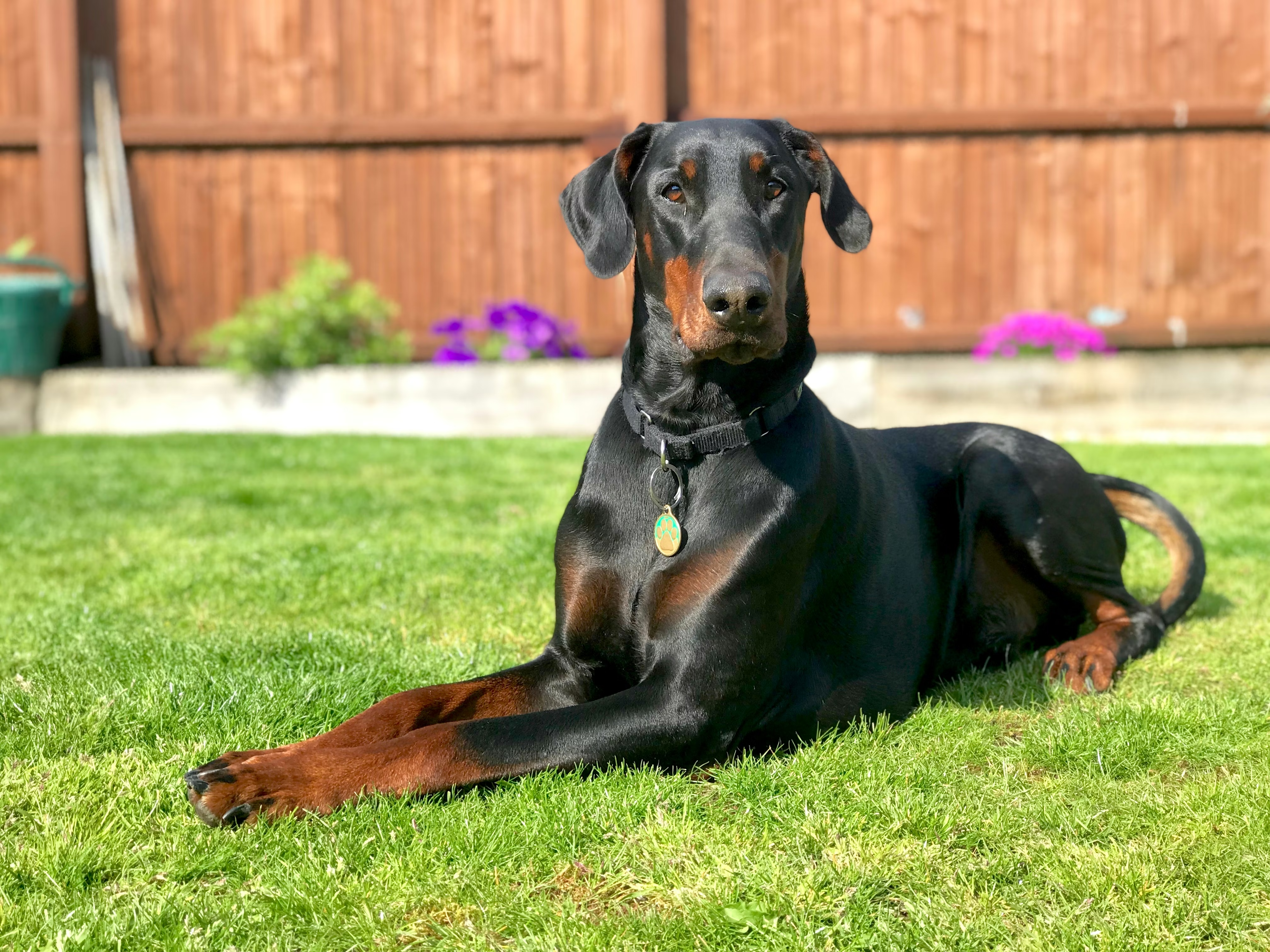
Certain large breeds are predisposed to cardiac issues. For example, Doberman Pinschers and Boxers can be at increased risk for dilated cardiomyopathy (DCM). Regular veterinary checkups—including cardiac screening for at-risk breeds—can help detect issues early.
For a more complete list of health issues that impact large breed dogs, check out our dedicated blog post.
The role of genetic screening
Genetic testing can help identify the risk of some inherited conditions that may affect large dog breeds. Wisdom Panel’s Premium dog DNA test screens for hundreds of genetic health risks, giving pet parents—and veterinarians—actionable information to support long-term health. Understanding your dog’s breed mix and potential genetic predispositions can guide proactive care, from targeted monitoring to early interventions.
Is a large dog breed right for you?
Bringing home a big dog is a wonderful experience, but it’s important to make sure the fit is right for your home and lifestyle. Consider the following:
Space
Large dogs generally need enough room to stretch out, move comfortably, and play. While they don’t require a huge house, they do benefit from access to indoor and outdoor spaces that match their activity needs.
Time and exercise
Many large breeds require significant daily exercise and engagement. If you enjoy an active lifestyle—or are committed to building regular activity into your routine—these dogs can be a great match. Once their exercise needs are met, they often enjoy relaxing with their people.
Budget for food and veterinary care
Big dogs eat more, require larger, more expensive supplies (beds, crates, harnesses), and may have higher veterinary costs, as medications cost more for large dogs. It’s helpful to budget for these needs in advance.
Lifestyle fit
Think about your daily routine, travel habits, and household dynamics. Some breeds do well in busy families, while others prefer quieter environments. Thoroughly researching breeds you’re interested in will help you pick a breed that matches your lifestyle.
Final thoughts
Large dog breeds can fill your life with joy, loyalty, and companionship. By understanding their unique needs—from nutrition and training to health and lifestyle considerations—you’ll be better prepared to help your big pup thrive.