
For many dogs, a trip to the veterinarian can be stressful. Unfamiliar sights and sounds, new people, and uncomfortable procedures can all contribute to fear and anxiety. Fortunately, with some preparation and a team effort, you can help your dog feel more comfortable before, during, and after their appointment.
Whether you’re training an anxious dog to help them feel more confident or just looking for ways to make your dog’s next visit easier, these strategies can help reduce stress for everyone involved.
Why some dogs fear the vet
Not all dogs are nervous at the veterinary clinic, but for those who are, the source of their anxiety can vary.
Some dogs may develop a negative association with the vet after receiving uncomfortable treatments for injuries or illness. Others may simply feel overwhelmed by the unfamiliar environment. Strange smells, barking dogs, medical equipment, and being handled by unfamiliar people can all be unsettling.
A dog’s individual temperament and life experiences also play a role. Their environment and past experiences can have a significant impact on their behaviour, and genetics can contribute to traits such as fearfulness or generalised anxiety. Understanding both your dog’s life experiences and their predispositions can help you and your veterinarian create a plan that supports their emotional well-being.
Signs of fear in dogs
Fear can show up in various ways. While some dogs bark, growl, or lunge, others become very quiet. Common signs of stress in dogs include:
- Trembling or shaking
- Panting when they aren’t hot
- Tucking their tail
- Pinning their ears back
- Lip licking or yawning
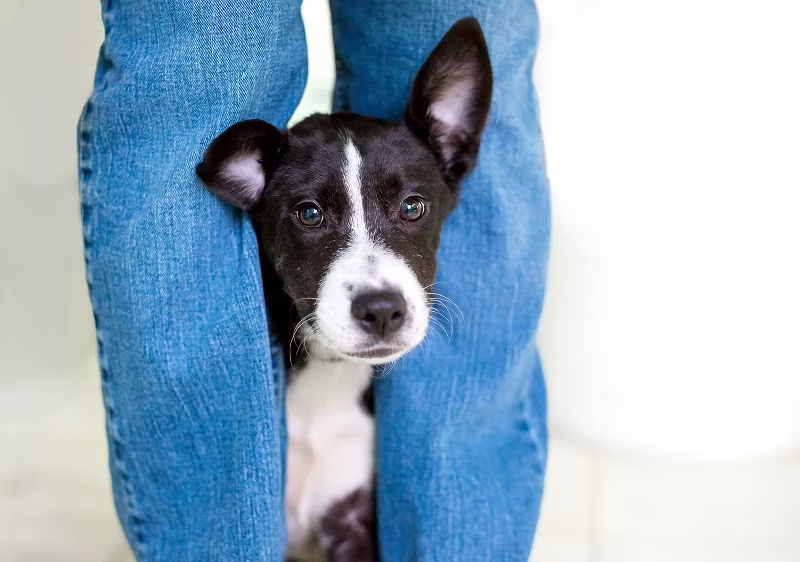
- Trying to hide behind their pet parent
- Refusing treats
- Freezing or resisting movement
- Attempting to escape
Recognising these signs early allows you to respond before your dog’s fear escalates. This is important, because in addition to being unpleasant for your pup, fear can make it harder for your veterinarian to perform a thorough examination and can increase the risk of injury for both your dog and the veterinary team.
Working with your veterinary team
Your veterinary team wants your dog to have a positive experience, and good communication can make a meaningful difference.
Before the appointment, let the clinic know if your dog has specific triggers, such as unfamiliar people, being lifted onto an exam table, nail trims, or interactions with other dogs. Sharing what motivates your dog—whether that’s a favorite treat, toy, or particular handling approach—can also help the team tailor the visit.
If appropriate, ask whether the clinic uses low-stress handling or cooperative care techniques. These approaches focus on making veterinary visits as comfortable as possible while helping dogs feel more in control throughout the examination.
Understanding your dog’s unique behavioural tendencies can also support conversations with your veterinarian. For example, Wisdom Panel’s Premium dog DNA test includes behaviour insights that evaluate your dog’s genetic predisposition for traits such as generalised anxiety. While genetics are only one piece of the puzzle, this information can provide additional context alongside your dog’s experiences, training, and environment.
How to prepare at home before the appointment
Helping your dog feel more comfortable at the vet starts well before you set foot in the clinic.
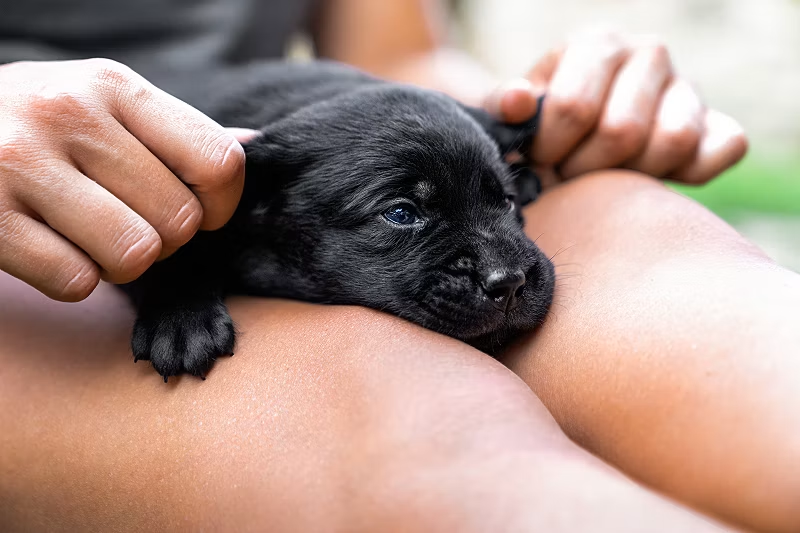
One of the most effective approaches is to practice gentle handling at home—preferably from a very young age. Pair brief sessions of touching your dog’s paws, ears, mouth, and tail with praise and high-value treats. These positive experiences can help your dog become more comfortable with the types of handling they may experience during an exam.
If your dog travels in a crate, make sure they see it as a safe, familiar place rather than something that only appears before stressful events. Leave the crate out at home, add comfortable bedding, and reward your dog for choosing to rest inside.
You can also practice short trips to the vet that don’t include an examination. Drive to the clinic, feed a few treats in the car park, or, if the clinic allows it, walk into the lobby for a minute before heading back home. These "happy visits" help teach your dog that not every trip to the veterinarian results in uncomfortable procedures.
The timing of your appointment can make a difference, too. Ask whether your vet offers quieter appointment times when the clinic is less busy. Separate waiting areas, or direct-to-exam-room check-in can also be helpful. Some practices even allow fearful dogs to wait in the car until an exam room is ready, reducing exposure to a packed waiting room.
Additional tools and techniques to reduce stress
Helping a fearful dog become more comfortable is usually a gradual process rather than a quick fix. Two techniques you can try to help relieve your pet’s fearfulness are desensitisation and counter-conditioning.
Desensitisation involves introducing potentially scary experiences in small, manageable steps. If you understand what elements of a vet visit make your dog fearful, you can expose your pup to them gradually, increasing the intensity of the trigger as they become more comfortable. However, it’s important not to flood your dog with scary experiences too quickly, or they could become overwhelmed and more nervous than they were before.
Counter-conditioning involves turning negative experiences into positive ones. You can achieve this by pairing your dog’s source of fear with something they love. For example, if a certain sound frightens your pup, you can offer them a favorite treat every time the sound occurs. When done consistently, your dog will begin to have a positive association with the trigger rather than feel fear or anxiety.
Identifying items that your dog finds comforting can also be helpful. These could include:
- A favorite blanket or bed
- A familiar toy
- A properly fitted calming wrap, if your dog is comfortable wearing one
Having these items on hand at the vet appointment can help your pup stay relaxed during the visit.
For dogs with significant fear or anxiety, these steps may not be enough. In these instances, your veterinarian may recommend a personalized behaviour plan or referral to a veterinary behaviourist for additional support.
Your vet may also prescribe an anti-anxiety medication that you can give your dog before an appointment. Using medication to reduce anxiety at the clinic can be an important proactive step towards a successful trip to the vet and should not be viewed only as a "last resort."
What to do on the day of the visit
On the day of the appointment, keep your routine as calm and predictable as possible. Once you arrive, use a secure harness or well-fitted collar and leash so your dog feels safe while moving through the clinic. Allowing them space from unfamiliar dogs can also reduce stress.
During the examination, bring plenty of your dog’s favorite treats if your veterinarian approves. Offering small rewards throughout the visit can help create positive associations with handling and examinations. Speak calmly and remain relaxed, as dogs often pick up on their pet parent’s emotions.
After the appointment, end the experience on a positive note. Offer praise, treats, playtime, or another favorite activity once you leave the clinic. By consistently pairing veterinary visits with positive experiences, you can start to change your dog’s expectations over time.
Final thoughts
Learning how to help an anxious dog feel more comfortable at the veterinarian takes time and patience. While there isn’t a single solution that works for every dog, small changes before, during, and after appointments can gradually build confidence and reduce fear.
By practicing positive handling at home, working closely with your veterinary team, and addressing anxiety early, you can help make future visits less stressful. Over time, those positive experiences can help your dog feel safer, making veterinary care easier for everyone involved.